
Introduction to Rare Minerals
Rare minerals are some of the most fascinating materials in the natural world because they form only when geology provides the right chemistry, temperature, pressure, and time. Many are limited to a small number of deposits, while others are difficult to find in clean, collectible, or gem-quality form.
For collectors, rarity alone is not the only reason these minerals matter. Color, crystal form, transparency, durability, provenance, and scientific interest all influence how desirable a specimen becomes.
This guide highlights ten rare minerals worth knowing about, with practical details on what makes each one distinctive, where it is found, and what collectors should understand before buying or identifying a specimen.
A mineral identification guide is one of the most useful resources for learning how to recognize uncommon minerals.
1. Painite
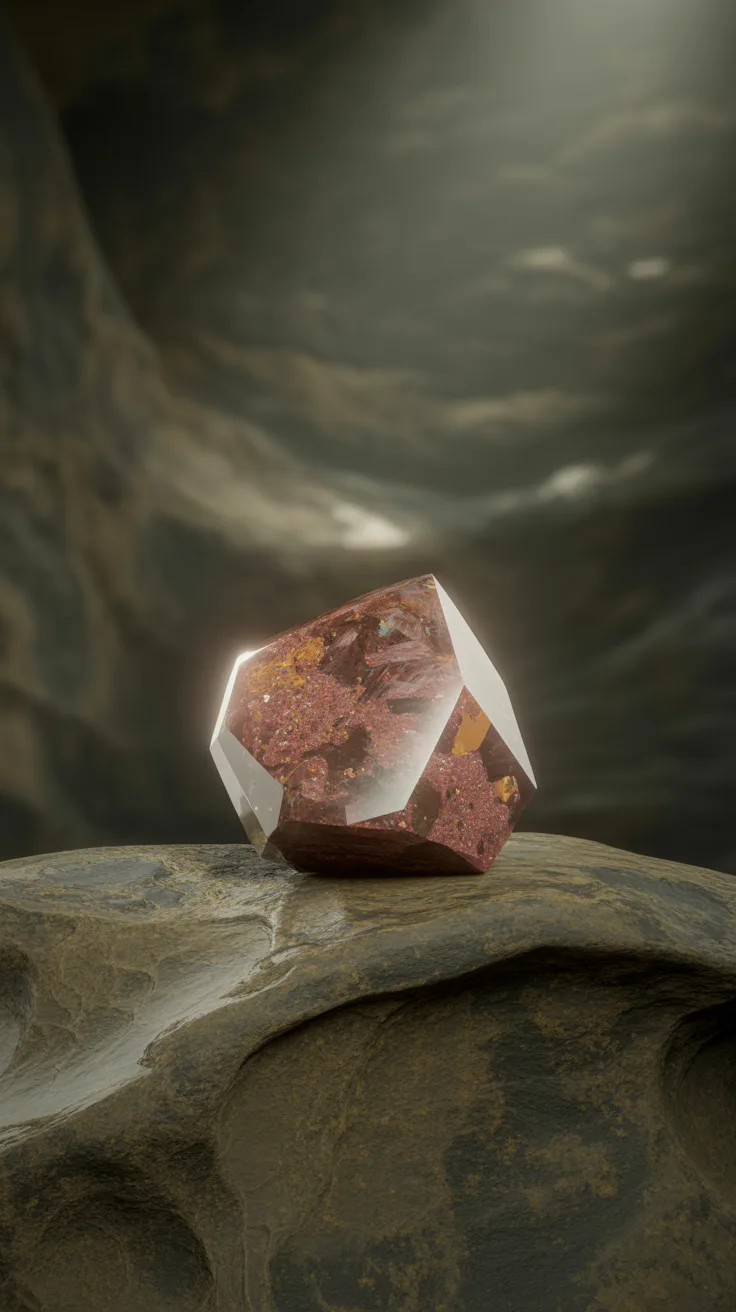
Painite is often discussed as one of the most famous rare minerals because only a very small number of specimens were known for decades after its discovery. It was first identified from material found in Myanmar and was later recognized as a distinct mineral species.
The mineral is typically brownish red, orange red, or reddish brown, and it may occur as hexagonal crystals. Its rarity comes from its unusual chemical composition and the limited geological environments where it has been found.
For collectors, Painite is important because it represents a mineral that moved from near-mythical rarity to limited availability as additional sources were discovered. Even so, fine transparent crystals remain scarce and should be purchased only with reliable documentation.
- Chemical composition: Calcium zirconium aluminum borate
- Mohs hardness: About 8
- Notable source: Myanmar
- Collector concern: Misidentified or poorly documented material

View on AmazonAs an Amazon Associate, I earn from qualifying purchases.
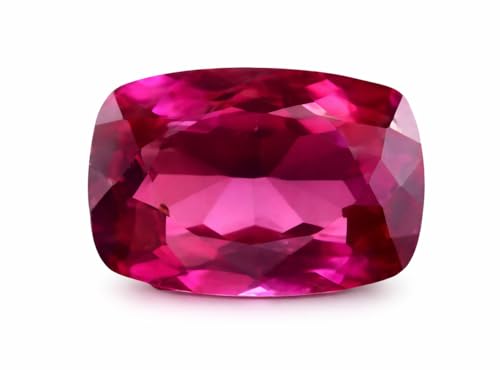
View on AmazonAs an Amazon Associate, I earn from qualifying purchases.
Identification note: Painite can resemble other reddish minerals, so visual identification alone is not enough for valuable specimens.
2. Tanzanite
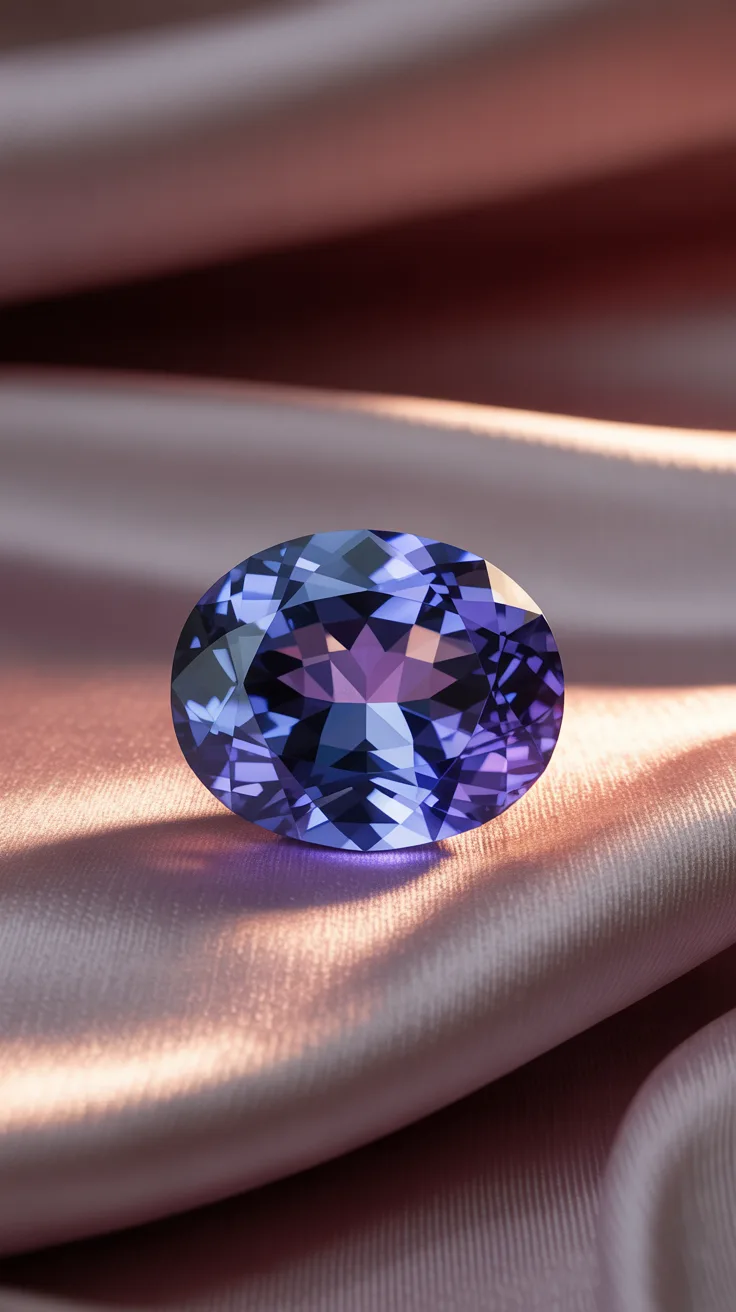
Tanzanite is the blue to violet variety of the mineral zoisite, and its commercial importance comes from its extremely limited geographic source. Gem-quality material is associated with a small mining area in northern Tanzania near Mount Kilimanjaro.
One of Tanzanite’s defining features is pleochroism, which means the stone can show different colors when viewed from different angles. Depending on the crystal and lighting, it may display blue, violet, or burgundy tones.
Most Tanzanite used in jewelry is heat treated to improve or stabilize its blue-violet color. This treatment is widely accepted in the gem trade, but buyers should still understand it because untreated stones with strong natural color may be marketed differently.
- Mineral family: Zoisite
- Primary source: Tanzania
- Key feature: Blue-violet pleochroism
- Buying note: Color saturation strongly affects value
Identification note: Tanzanite is softer than sapphire, so jewelry pieces require more careful wear and storage.
3. Red Beryl
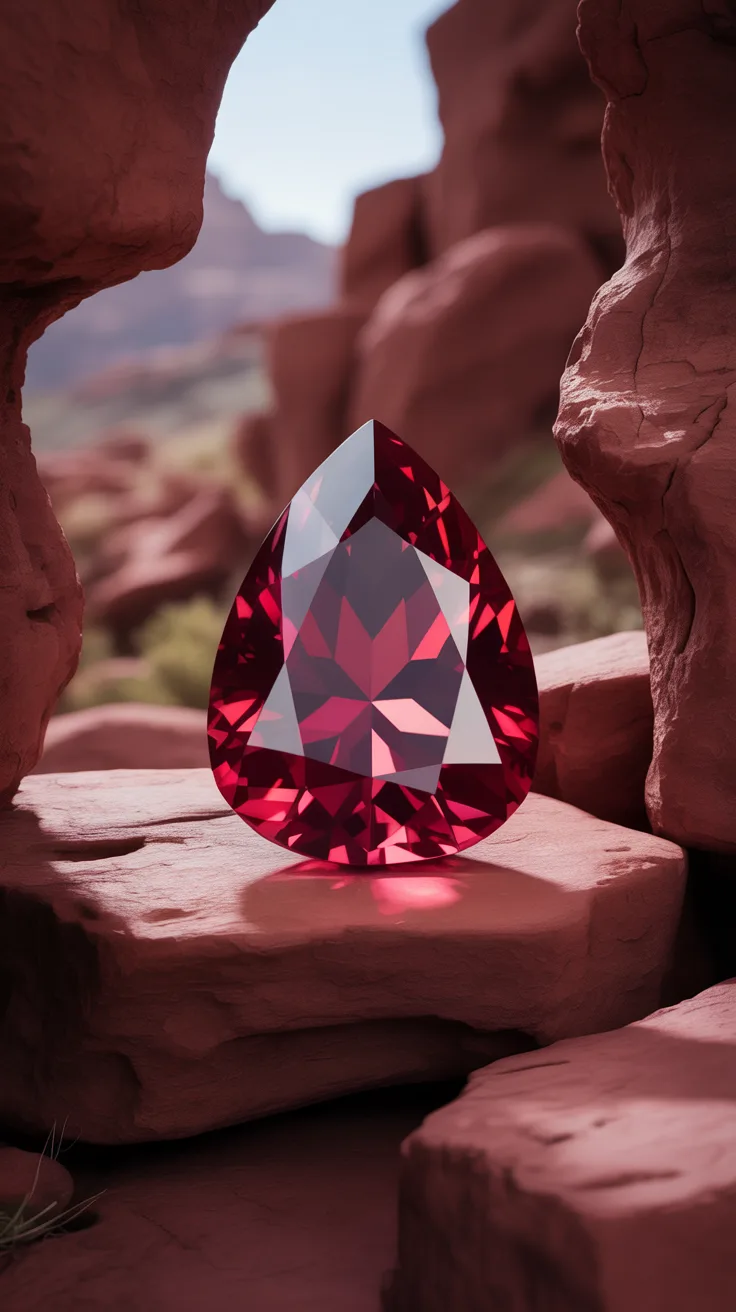
Red Beryl is one of the rarest members of the beryl family, the same mineral family that includes emerald and aquamarine. Its vivid red color is associated with trace elements and highly specific volcanic conditions.
Gem-quality Red Beryl is most closely associated with Utah, especially rhyolite-hosted deposits. Crystals are often small, which makes large clean faceted stones especially unusual.
This mineral is sometimes called Bixbite in older references, although the name Red Beryl is preferred because Bixbite can be confused with other mineral names. Collectors value it for its color, scarcity, and connection to a very limited geological setting.
- Mineral family: Beryl
- Notable source: Utah, USA
- Typical size: Small crystals and small faceted gems
- Collector concern: Confusion with synthetic or imitation red stones

View on AmazonAs an Amazon Associate, I earn from qualifying purchases.

View on AmazonAs an Amazon Associate, I earn from qualifying purchases.
A 10x jeweler’s loupe helps collectors examine inclusions, crystal quality, and cutting details in rare gemstones.
4. Black Opal
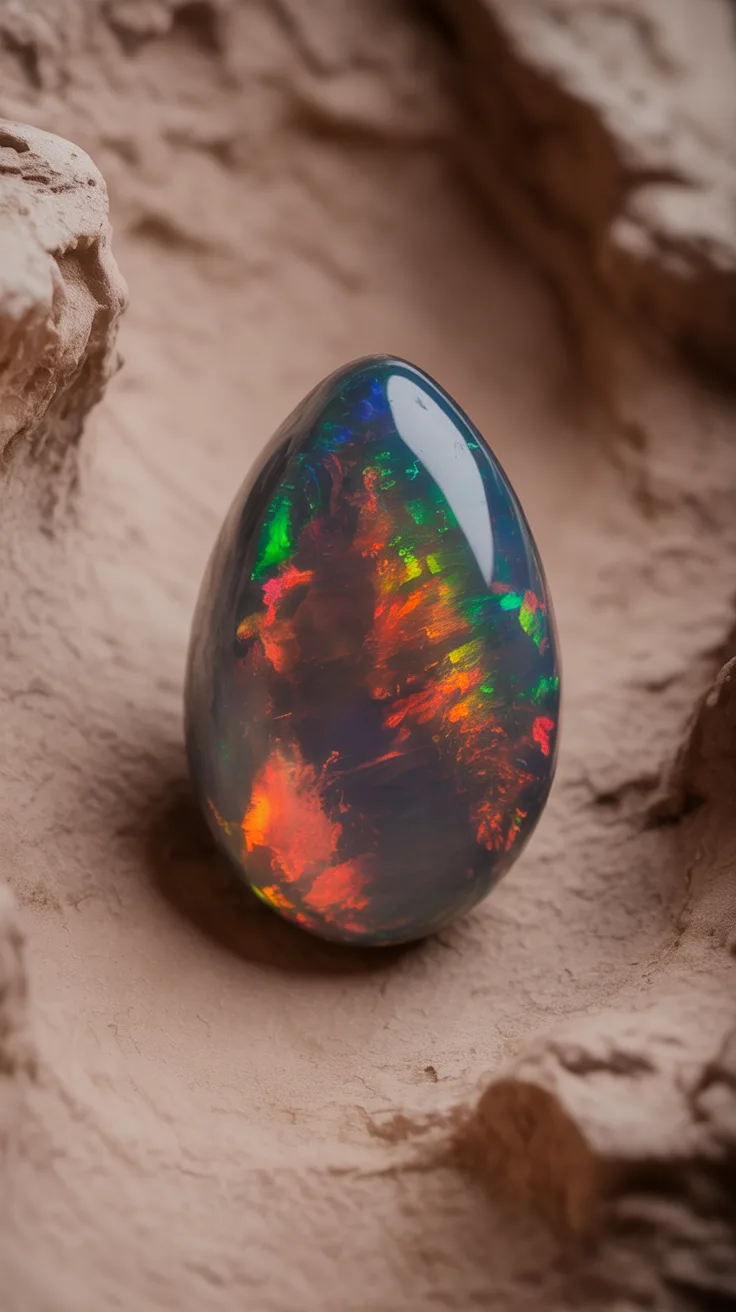
Black Opal is valued for its dark body tone, which creates a dramatic background for flashes of spectral color. The most famous source is Lightning Ridge in New South Wales, Australia.
Unlike transparent gemstones, opal is judged largely by play-of-color, brightness, pattern, body tone, and how evenly color appears across the stone. Strong flashes of red, orange, green, and blue can make a high-quality Black Opal especially desirable.
Collectors should pay close attention to whether a stone is solid opal, a doublet, or a triplet. Doublets and triplets can be attractive, but they are assembled stones and should not be priced like solid natural Black Opal.
- Material type: Precious opal
- Famous source: Lightning Ridge, Australia
- Key feature: Bright play-of-color against a dark body tone
- Buying note: Confirm whether the stone is solid or assembled
Care note: Opal is more delicate than many minerals on this list and should be protected from hard knocks and extreme conditions.
5. Jeremejevite
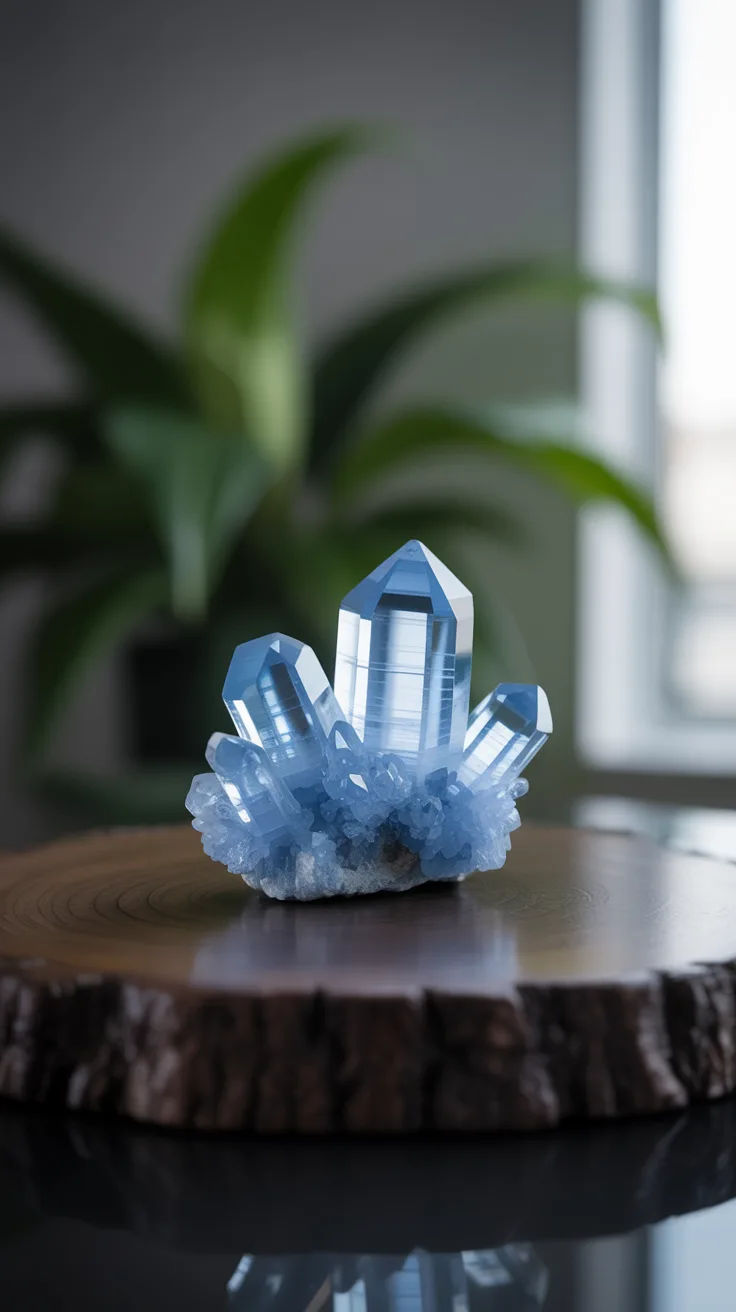
Jeremejevite is a rare aluminum borate mineral that is best known among serious collectors and gem enthusiasts. It was first described from Siberia and later became famous for gem-quality crystals from Namibia.
The most desirable specimens often show pale blue to blue coloration, transparency, and well-formed crystal shapes. Because the color can be delicate, fine examples have a refined appearance rather than a flashy one.
Jeremejevite is not a mainstream jewelry stone, which makes it especially appealing to collectors who prefer unusual mineral species. Its rarity, crystal habit, and limited availability give it strong specimen appeal.
- Chemical group: Aluminum borate
- Crystal system: Hexagonal
- Mohs hardness: About 6.5 to 7.5
- Notable sources: Namibia, Myanmar, Tajikistan, and other limited localities

View on AmazonAs an Amazon Associate, I earn from qualifying purchases.

View on AmazonAs an Amazon Associate, I earn from qualifying purchases.
Identification note: Pale blue Jeremejevite can be confused with other light blue minerals, so advanced testing may be needed for high-value pieces.
6. Grandidierite
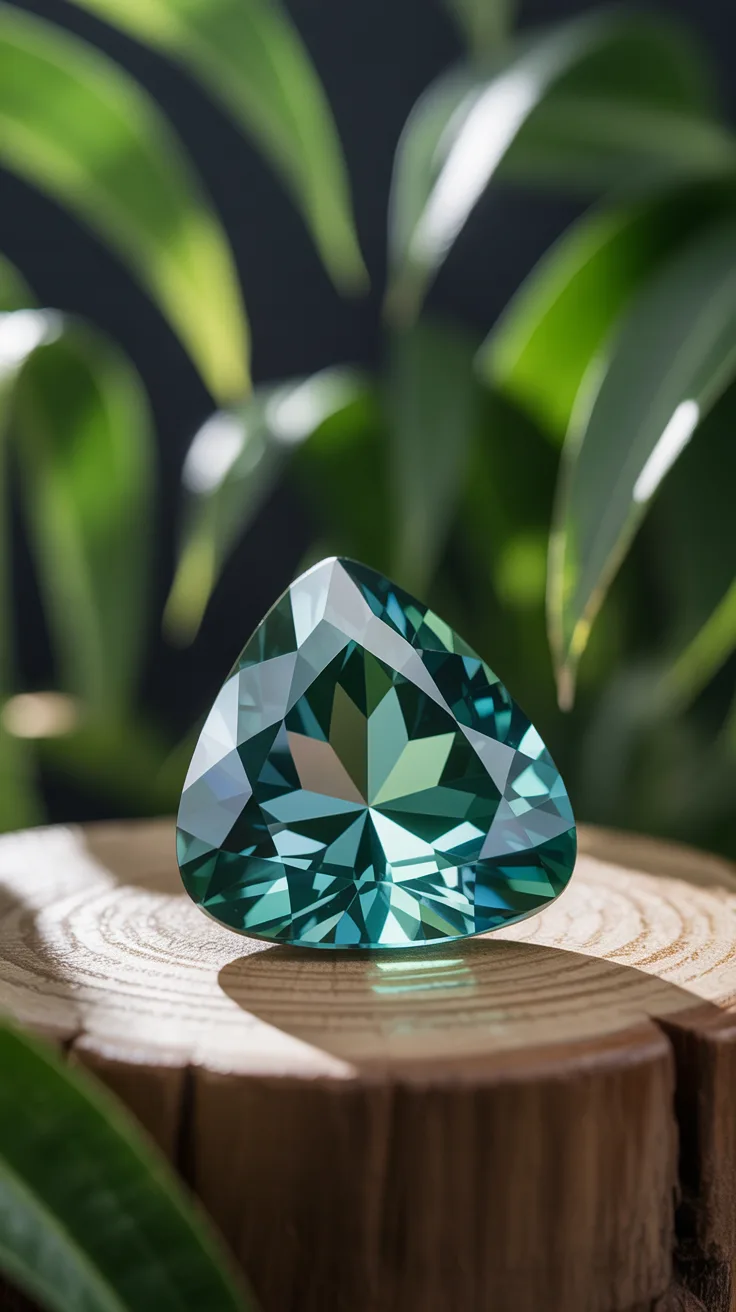
Grandidierite is a rare bluish green mineral named after French explorer Alfred Grandidier. It is strongly associated with Madagascar, although material has also been reported from other locations.
Transparent gem-quality Grandidierite is especially rare. Many specimens are translucent to opaque, which means clean faceted stones with attractive color can be significantly more valuable than rough-looking material.
The mineral is also known for pleochroism. Depending on the direction of viewing, it may show blue-green, green, or nearly colorless tones, giving well-cut stones added visual interest.
- Typical color: Bluish green to greenish blue
- Notable source: Madagascar
- Key feature: Strong pleochroism
- Collector concern: Transparent material is much rarer than opaque material
Buying note: The term Grandidierite may describe very different quality levels, so transparency and color should be evaluated carefully.
7. Musgravite
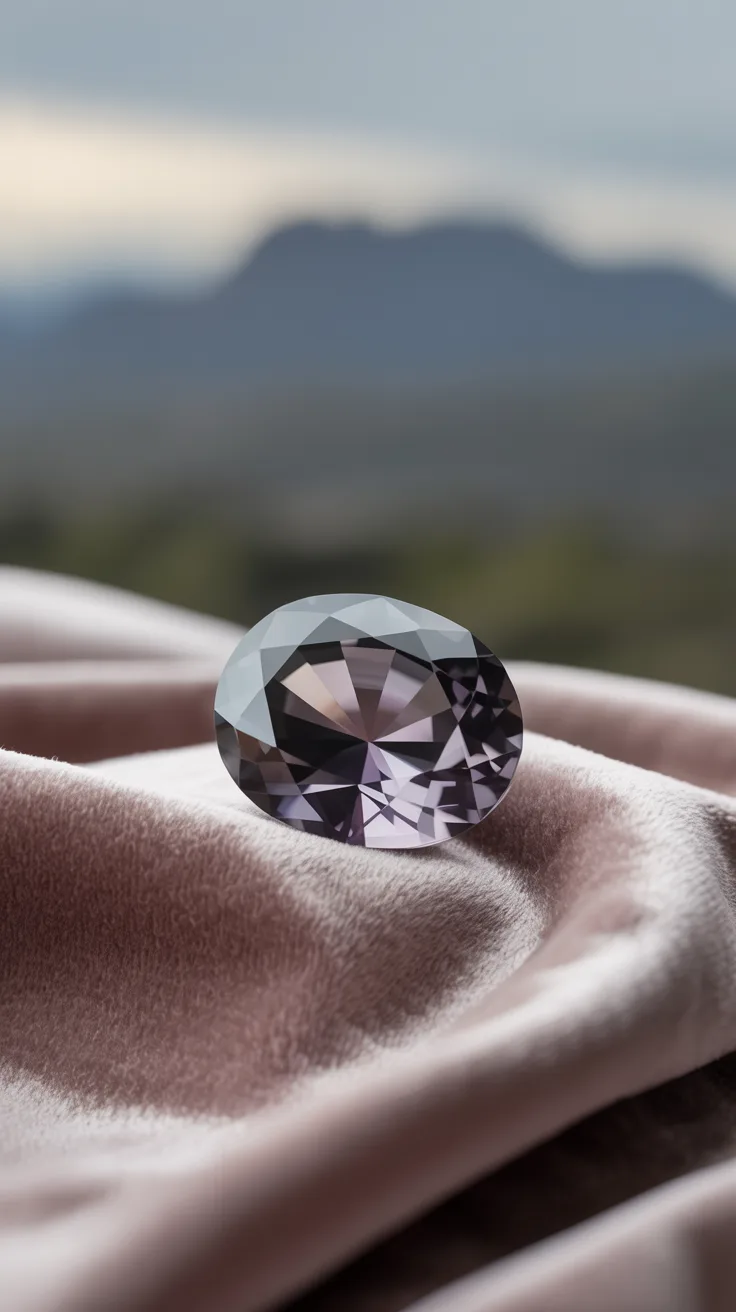
Musgravite is one of the rarest gem minerals and belongs to the taaffeite group. It was first identified from the Musgrave Ranges in Australia, which is where the name comes from.
Gem-quality Musgravite is extremely scarce, and faceted stones are usually encountered only through specialized gem dealers or high-end collectors. Colors may include grayish violet, greenish gray, purple gray, or related muted tones.
Because Musgravite can resemble Taaffeite and other rare gems, laboratory confirmation is essential. For valuable stones, a visual opinion is not enough.
- Mineral group: Taaffeite group
- Original locality: Musgrave Ranges, Australia
- Key feature: Extreme scarcity in gem quality
- Buying note: Requires professional gemological testing

View on AmazonAs an Amazon Associate, I earn from qualifying purchases.

View on AmazonAs an Amazon Associate, I earn from qualifying purchases.
Collector note: Musgravite is often valued more for rarity and documentation than for dramatic color.
8. Benitoite
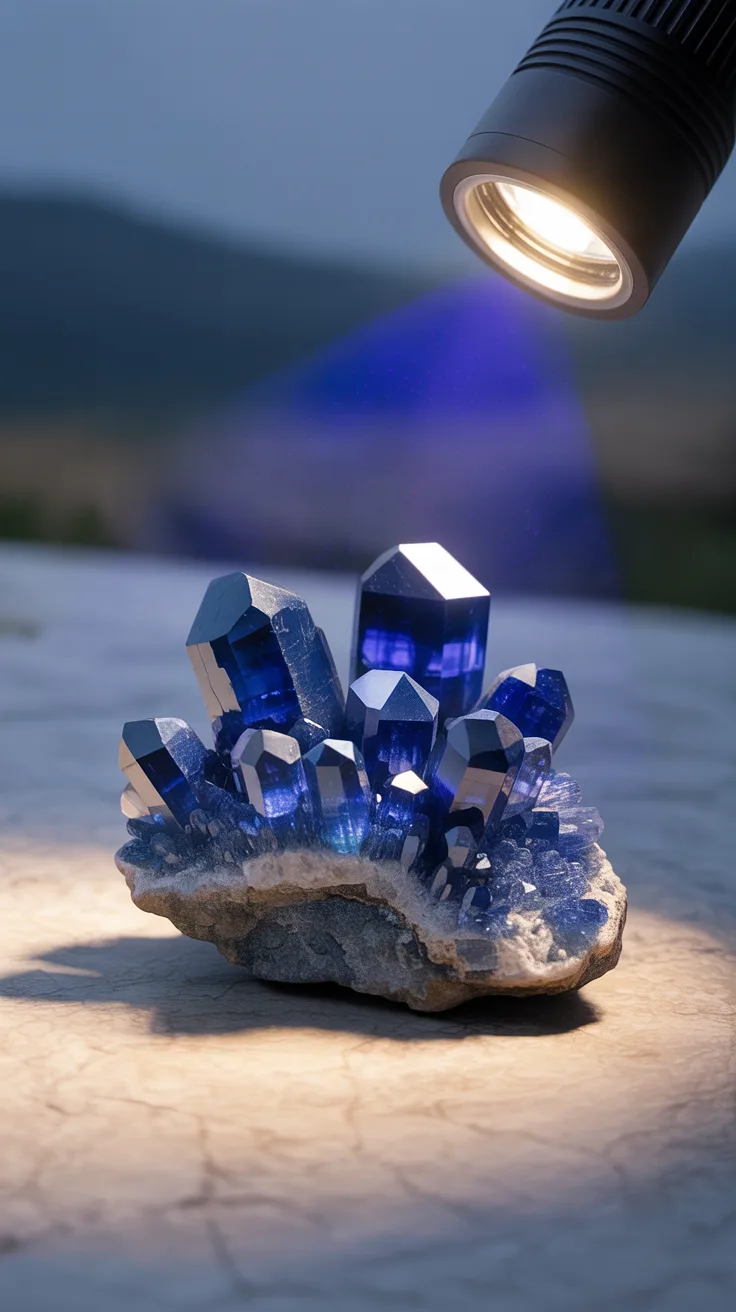
Benitoite is a rare blue mineral best known from San Benito County, California. It is also California’s official state gem.
The mineral is admired for its saturated blue color, high dispersion, and bright fluorescence under shortwave ultraviolet light. These properties make it especially interesting to both gem collectors and mineral specimen collectors.
Fine Benitoite crystals can be expensive because the classic locality is limited and historically important. Well-formed crystals on matrix are especially desirable as display specimens.
- Notable source: San Benito County, California
- Key feature: Bright blue fluorescence under UV light
- Crystal system: Hexagonal
- Collector concern: Small sizes are common
A UV flashlight for minerals can reveal fluorescence and other hidden characteristics in specimens such as Benitoite.
9. Alexandrite
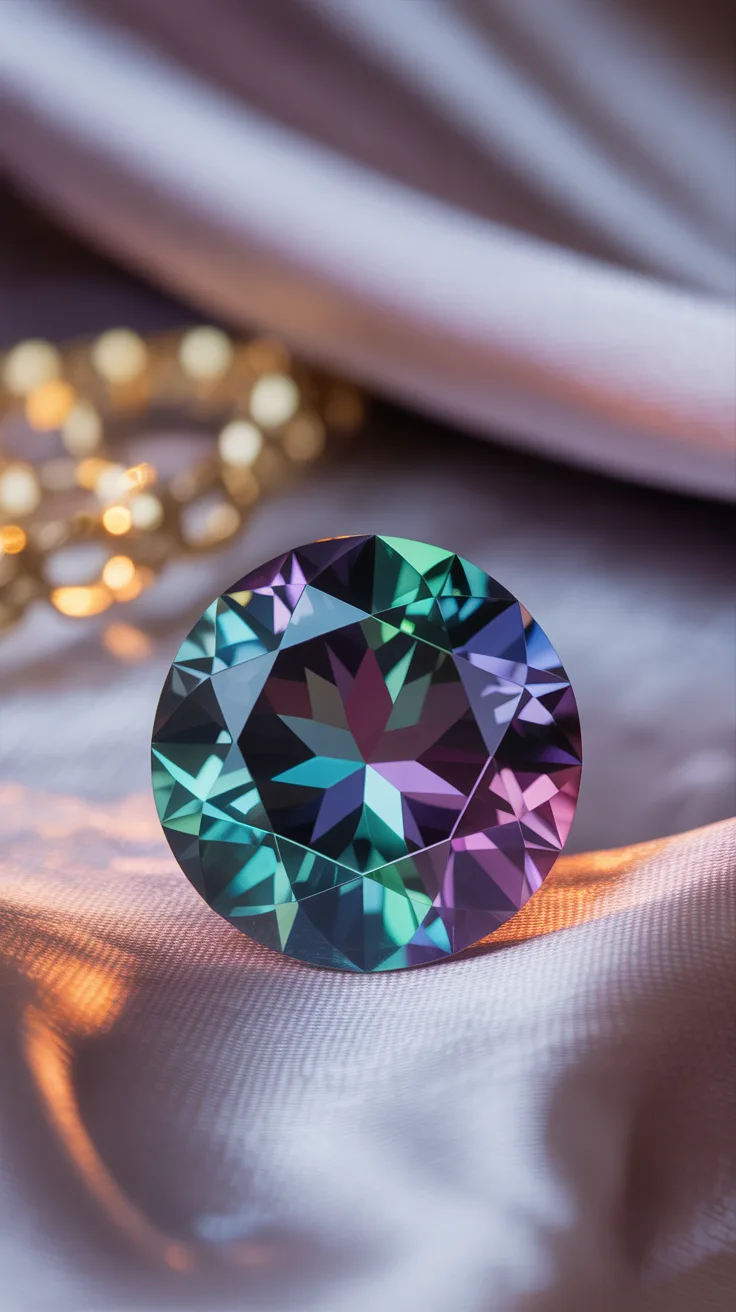
Alexandrite is the color-change variety of chrysoberyl and is one of the most famous rare gemstones. Its classic color change is often described as green or bluish green in daylight and red to purplish red under incandescent light.
The finest historical material came from Russia’s Ural Mountains, but Alexandrite has also been found in Brazil, Sri Lanka, East Africa, and other locations. Strong color change, clarity, size, and origin can all affect value.
Synthetic Alexandrite and simulants are common in the marketplace, so serious purchases should include reliable gemological documentation. This is especially important because the name is sometimes misused for color-change glass or synthetic corundum.
- Mineral family: Chrysoberyl
- Key feature: Daylight-to-incandescent color change
- Notable sources: Russia, Brazil, Sri Lanka, and East Africa
- Buying note: Strong natural color change is highly valued
Identification note: Any expensive Alexandrite should be tested by a reputable gemological laboratory.
10. Taaffeite
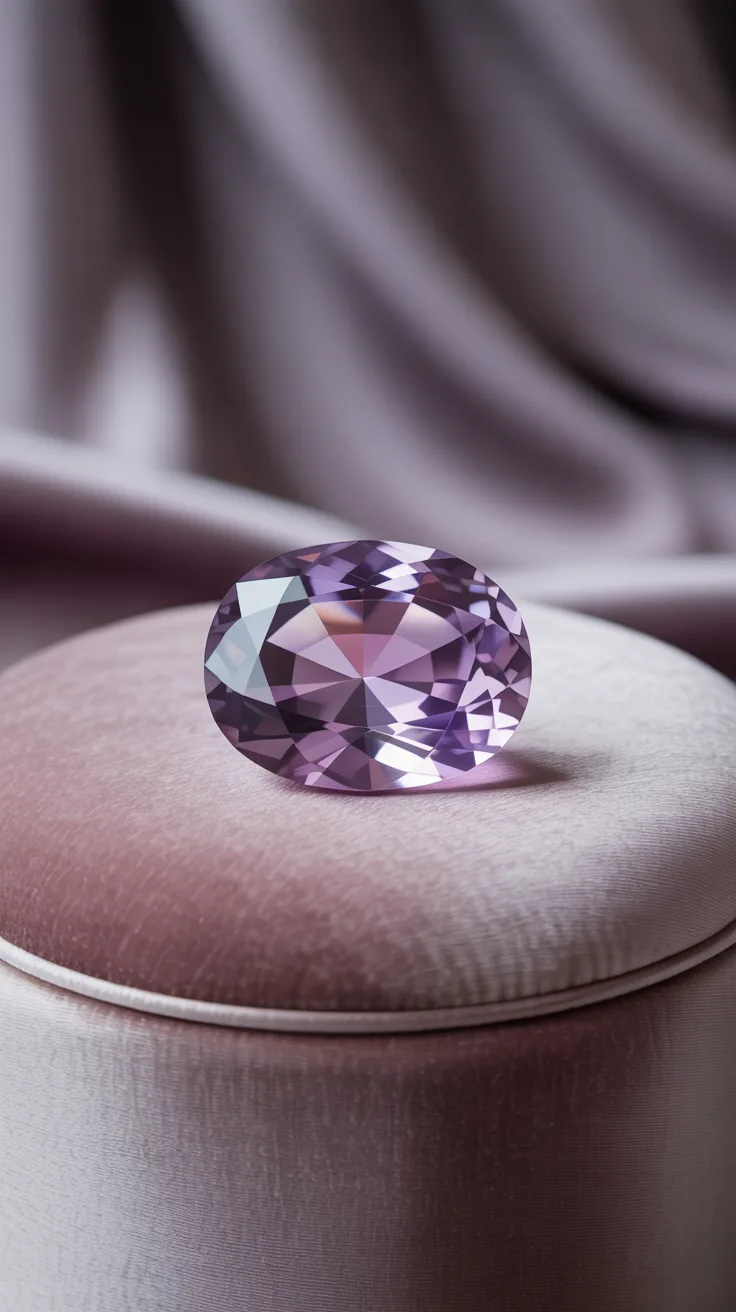
Taaffeite is a rare gemstone that was first recognized after a cut stone was found to be something different from spinel. This unusual discovery story makes it one of the more interesting minerals in gemology.
The stone can appear lavender, mauve, pink, grayish purple, or nearly colorless. Although it may not always look dramatic at first glance, its rarity and gemological importance make it highly collectible.
Taaffeite is sometimes confused with spinel because the two can look similar. Accurate identification usually requires testing refractive index, birefringence, specific gravity, and other gemological properties.
- Gemological importance: First identified from a cut gemstone
- Common colors: Lavender, mauve, pink, grayish purple, or near colorless
- Notable sources: Sri Lanka, Myanmar, Tanzania, and limited other localities
- Collector concern: Can be mistaken for spinel
Buying note: Documentation matters because Taaffeite’s value depends heavily on correct identification.
Comparison Table of Rare Minerals
| Mineral | Primary Association | Key Feature | Collector Priority |
|---|---|---|---|
| Painite | Myanmar | Extreme historical rarity | Certification |
| Tanzanite | Tanzania | Blue-violet pleochroism | Color saturation |
| Red Beryl | Utah, USA | Rare red beryl variety | Natural origin |
| Black Opal | Lightning Ridge, Australia | Dark body tone with play-of-color | Solid vs assembled stone |
| Jeremejevite | Namibia and other limited localities | Pale blue transparent crystals | Correct identification |
| Grandidierite | Madagascar | Blue-green pleochroism | Transparency |
| Musgravite | Australia and limited other sources | Extreme gem scarcity | Lab confirmation |
| Benitoite | California, USA | Blue fluorescence | Crystal quality |
| Alexandrite | Russia, Brazil, Sri Lanka, East Africa | Color change | Natural color change |
| Taaffeite | Sri Lanka, Myanmar, Tanzania | Often confused with spinel | Gemological testing |
How to Make Each Mineral Section More Useful
A strong rare mineral article should do more than list color and location. Each section should explain why the mineral is rare, how collectors identify it, what mistakes buyers should avoid, and what makes one specimen better than another.
The most helpful structure for each mineral is simple: formation, key appearance, notable locality, collector value, and identification warning. This approach keeps the article educational while making every section feel distinct.
Common Mistakes New Collectors Make
One common mistake is assuming that rarity automatically creates high value. A rare mineral with poor color, damage, weak crystal form, or uncertain identification may be less desirable than a more common mineral in exceptional condition.
Another mistake is relying only on online photos. Lighting, editing, and camera settings can make minerals appear brighter, cleaner, or more colorful than they are in person.
Collectors should also be careful with vague listings that use terms such as rare, museum grade, investment quality, or natural without supporting details. Reputable sellers should be able to explain origin, treatment status, size, condition, and identification.
A mineral display case helps protect rare specimens from dust, accidental damage, and excessive handling.
Conclusion
Rare minerals are valuable to collectors because they combine beauty, science, scarcity, and geological history. Some are prized for intense color, others for unusual chemistry, and others for the challenge of finding a well-documented specimen.
For anyone beginning a collection, the best approach is to focus on education before expensive purchases. Learning how minerals form, how they are identified, and how quality is judged can prevent costly mistakes and make collecting more rewarding.
Whether the interest is gem-quality Tanzanite, fluorescent Benitoite, color-changing Alexandrite, or historically rare Painite, each mineral on this list offers a different way to understand Earth’s remarkable mineral diversity.
Frequently Asked Questions
What makes a mineral rare?
A mineral is considered rare when it forms in limited geological conditions, occurs in only a few known locations, or is difficult to find in collectible quality. Some minerals may exist in several places but remain rare as clean crystals or gem-quality stones.
Are rare minerals always expensive?
No, rarity does not always mean high price. Value also depends on color, size, clarity, crystal form, condition, provenance, and collector demand.
How can rare minerals be identified accurately?
Basic identification may include hardness, crystal habit, luster, color, streak, fluorescence, and specific gravity. Valuable or easily confused minerals should be tested by a qualified gemologist, mineralogist, or recognized laboratory.
Where do collectors buy rare minerals?
Collectors often buy rare minerals through reputable mineral dealers, gem shows, auctions, museums, lapidary clubs, and specialized online sellers. Documentation is especially important for expensive specimens.
Are rare minerals a good investment?
Some rare minerals may increase in value, but prices can change based on market demand, new discoveries, and specimen quality. Collecting should be based primarily on education, interest, and careful buying rather than guaranteed investment returns.
How should rare minerals be stored?
Rare minerals should be stored away from excessive sunlight, moisture, dust, and physical impact. Individual boxes, padded trays, labels, and display cases help protect specimens and preserve collection records.