
Introduction to Moss Agate
I still remember the first time I held a piece of rare moss agate in my hands. It was at a gem show in Tucson, and the stone seemed to contain an entire forest frozen in time. That moment sparked an obsession that’s led me down countless rabbit holes, across multiple continents, and into some truly fascinating collections.
Moss agate isn’t your typical agate—it doesn’t have the characteristic banding you’d expect. Instead, it features mesmerizing inclusions of minerals like manganese and iron that create patterns resembling moss, ferns, trees, and underwater landscapes. These inclusions form over millions of years, making each piece genuinely one-of-a-kind.

What draws collectors to these stones goes beyond their beauty. There’s something almost magical about holding a piece of earth that looks like it captured a moment of nature itself. Over my years of collecting, I’ve learned that certain varieties are far more coveted than others. Let me walk you through eight rare moss agates that serious collectors dream about owning.
1. Montana Moss Agate: The American Classic
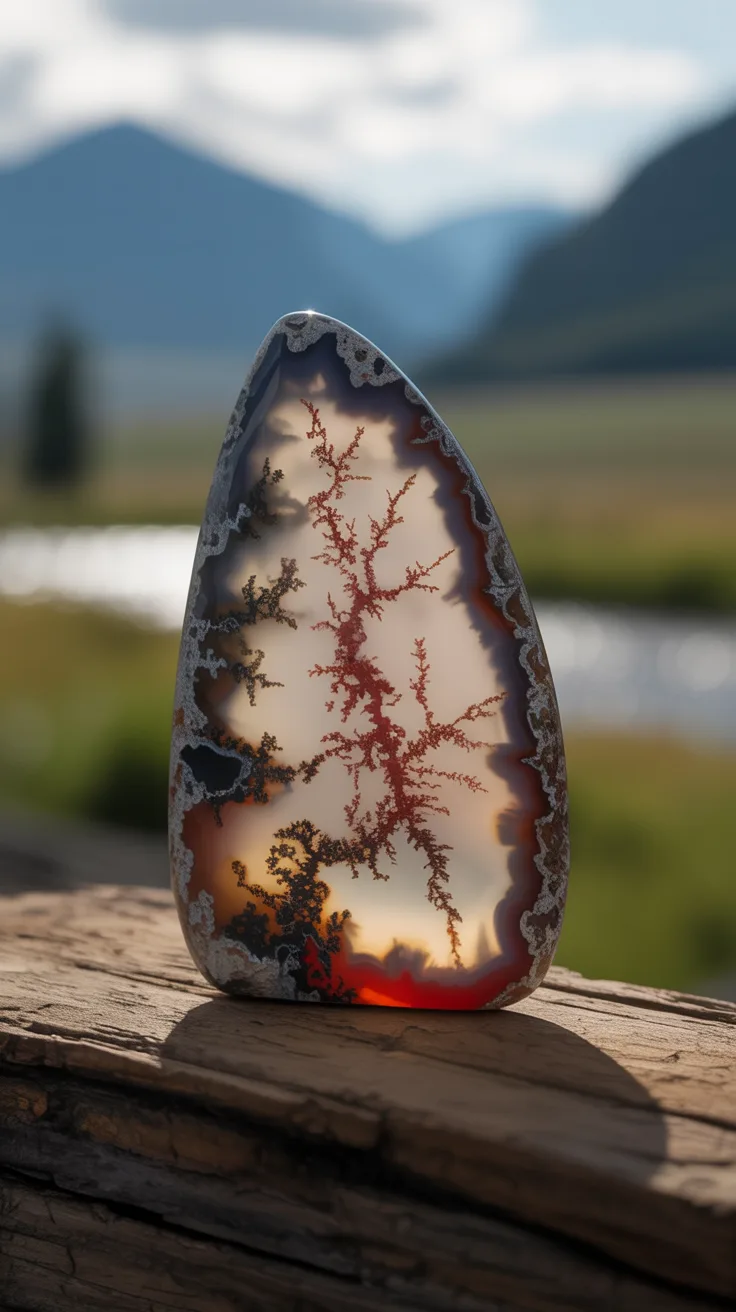
Montana Moss Agate holds a special place in my collection. Found primarily along the Yellowstone River, these stones feature exceptional transparency with red, brown, and black dendritic patterns that often look like scenic landscapes. Some pieces genuinely resemble paintings of the Montana wilderness.
What makes Montana specimens particularly valuable is their clarity. The best examples have a crystal-clear background that allows the inclusions to really pop. I once made the mistake of passing on a stunning piece because I thought the price was too high—I’ve regretted it ever since.

View on AmazonAs an Amazon Associate, I earn from qualifying purchases.

View on AmazonAs an Amazon Associate, I earn from qualifying purchases.
Pro Tip: When shopping for Montana Moss Agate, examine the stone under different lighting conditions. The best specimens will show depth and dimension that cheaper alternatives simply can’t replicate.
2. Indonesian Moss Agate: Vibrant Green Paradise
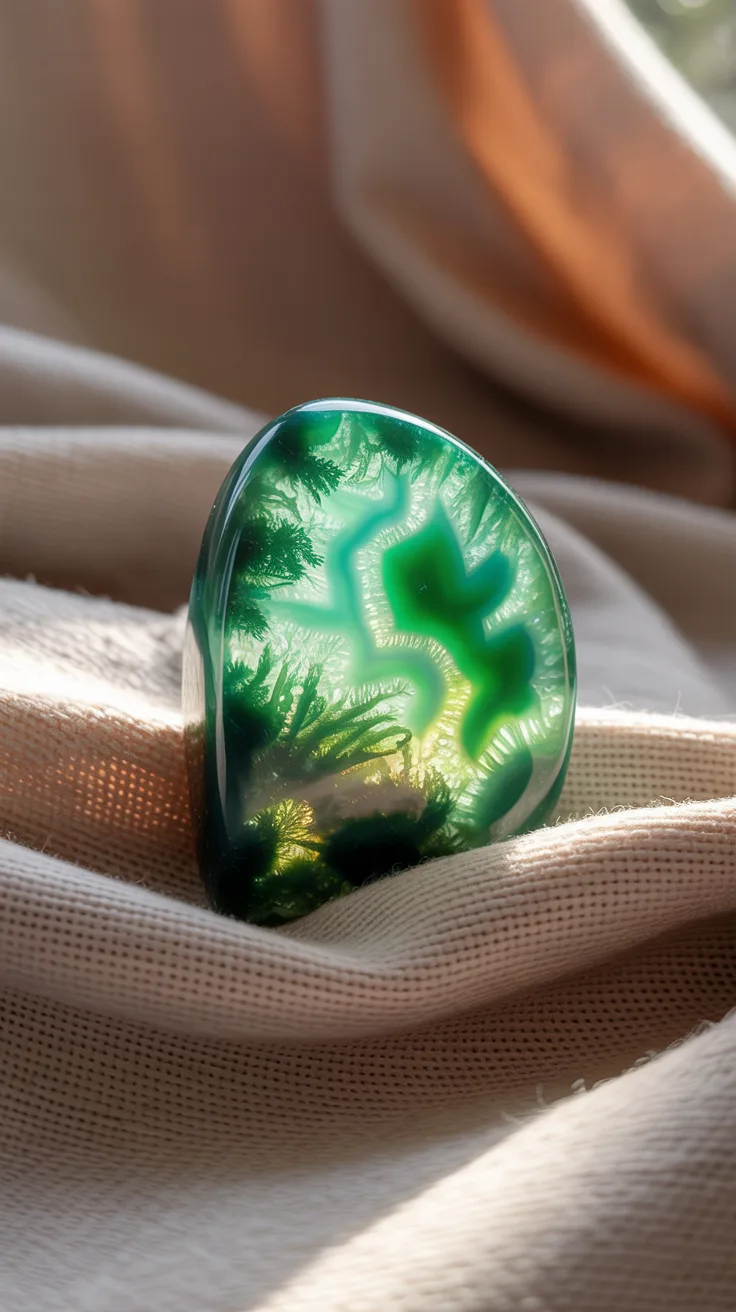
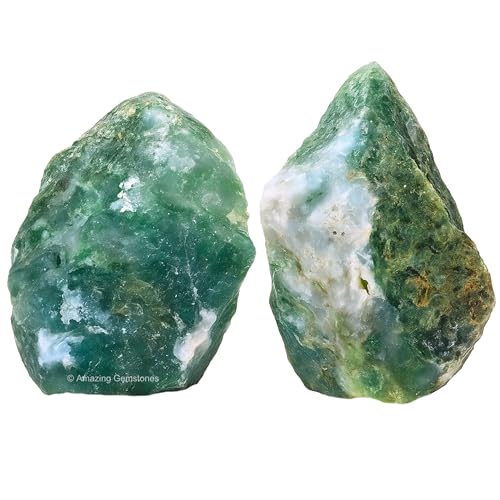
Indonesian Moss Agate has exploded in popularity over the past decade, and for good reason. The vibrant green hues found in these stones are unlike anything else in the moss agate world. Some pieces feature such intense coloration that they almost seem to glow.
The patterns in Indonesian specimens often resemble underwater coral gardens or dense tropical forests. I’ve spent hours just staring into particularly good pieces, discovering new details each time. The country’s volcanic geology contributes to the unique mineral composition that creates these stunning effects.
View on AmazonAs an Amazon Associate, I earn from qualifying purchases.

View on AmazonAs an Amazon Associate, I earn from qualifying purchases.
3. Indian Moss Agate: Earthy and Grounding
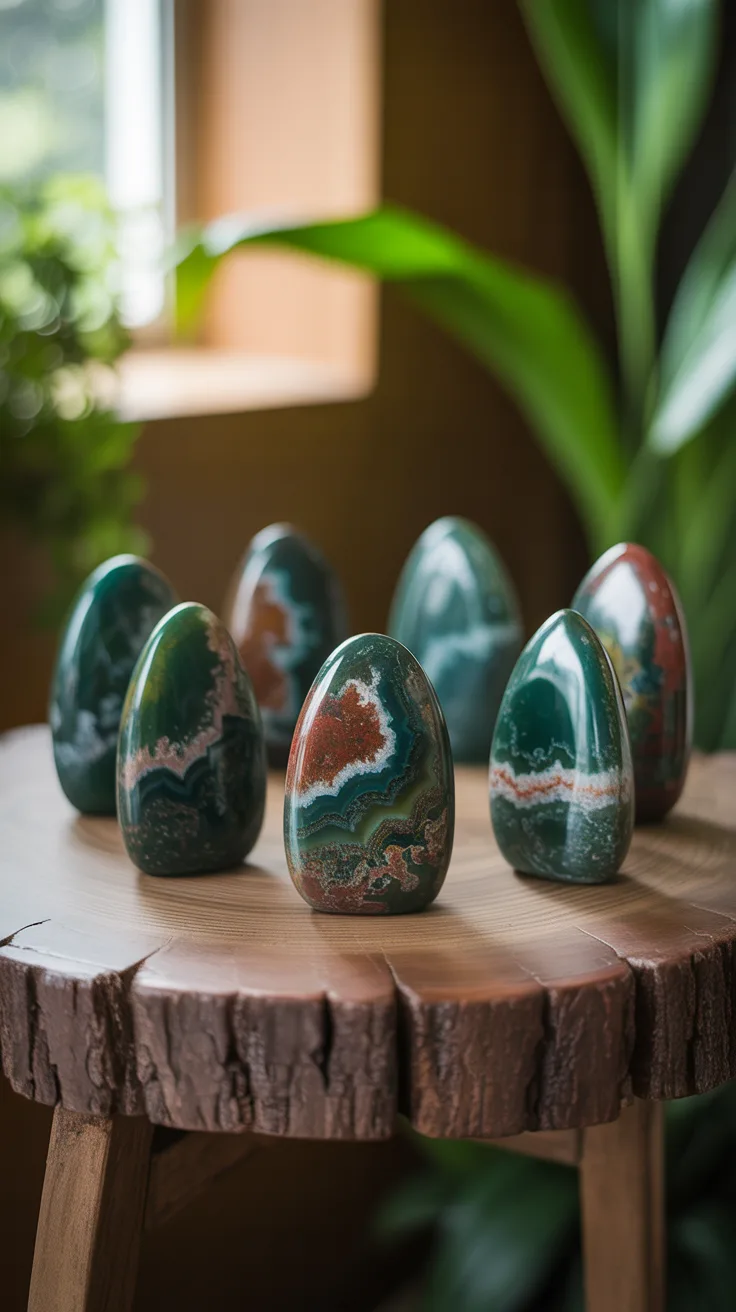
India has been producing moss agate for centuries, and the stones from this region carry a distinctive character. Indian Moss Agate typically features earthy tones—deep greens, rich browns, and occasional reds that create warm, inviting patterns.
Many collectors appreciate Indian specimens for their supposed metaphysical properties. While I approach those claims with healthy skepticism, I can’t deny that these stones have a grounding quality to them. The patterns often appear more organic and flowing compared to other varieties.
Pro Tip: Indian Moss Agate is more affordable than some other varieties, making it an excellent starting point for new collectors. Focus on finding pieces with complex, layered patterns—these will hold their value better over time.
4. African Moss Agate: The Rare Treasure
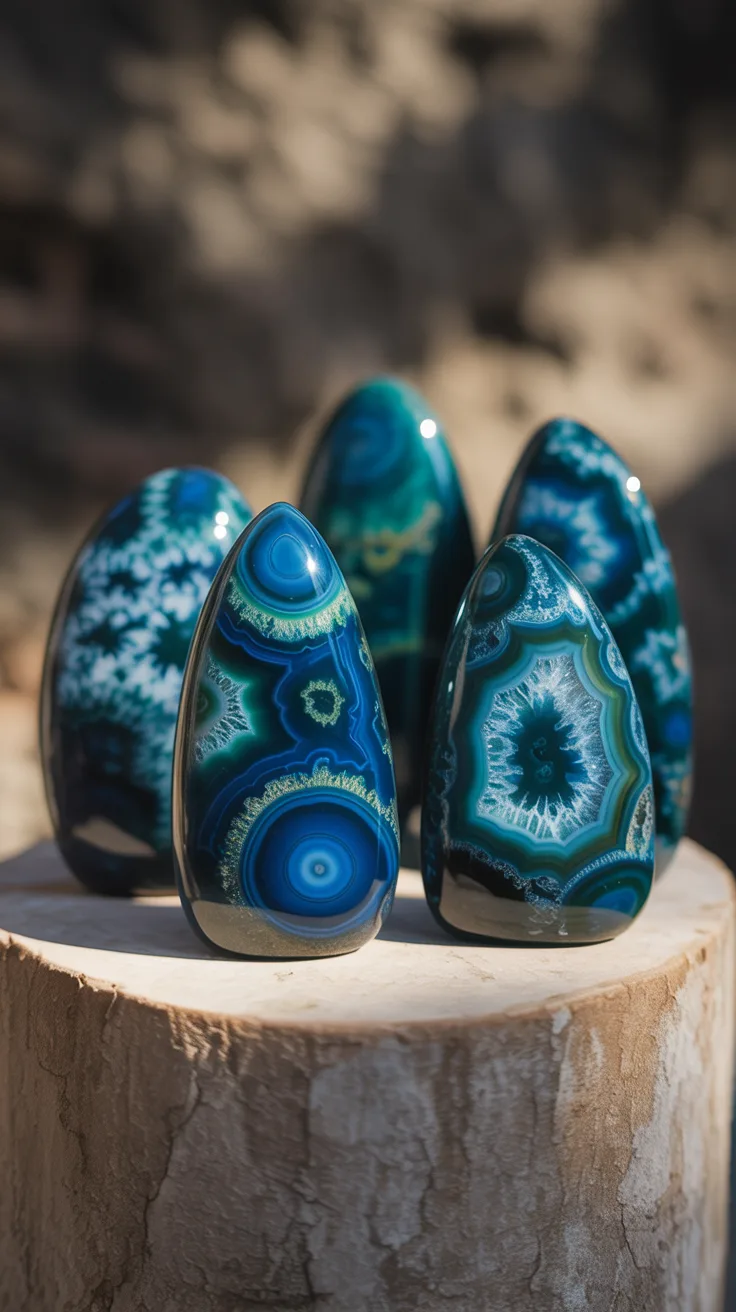
African Moss Agate remains one of the most elusive varieties in the collecting world. Sourced from various locations across the continent, these stones often feature unusual blue and deep green hues that you simply won’t find elsewhere.
I’ve only managed to acquire three pieces of genuine African Moss Agate in my entire collecting career. The abstract patterns in these stones seem almost otherworldly—less like terrestrial landscapes and more like alien terrain. Their scarcity drives prices up significantly, but for serious collectors, they’re worth the investment.
5. Brazilian Moss Agate: Bold Contrast
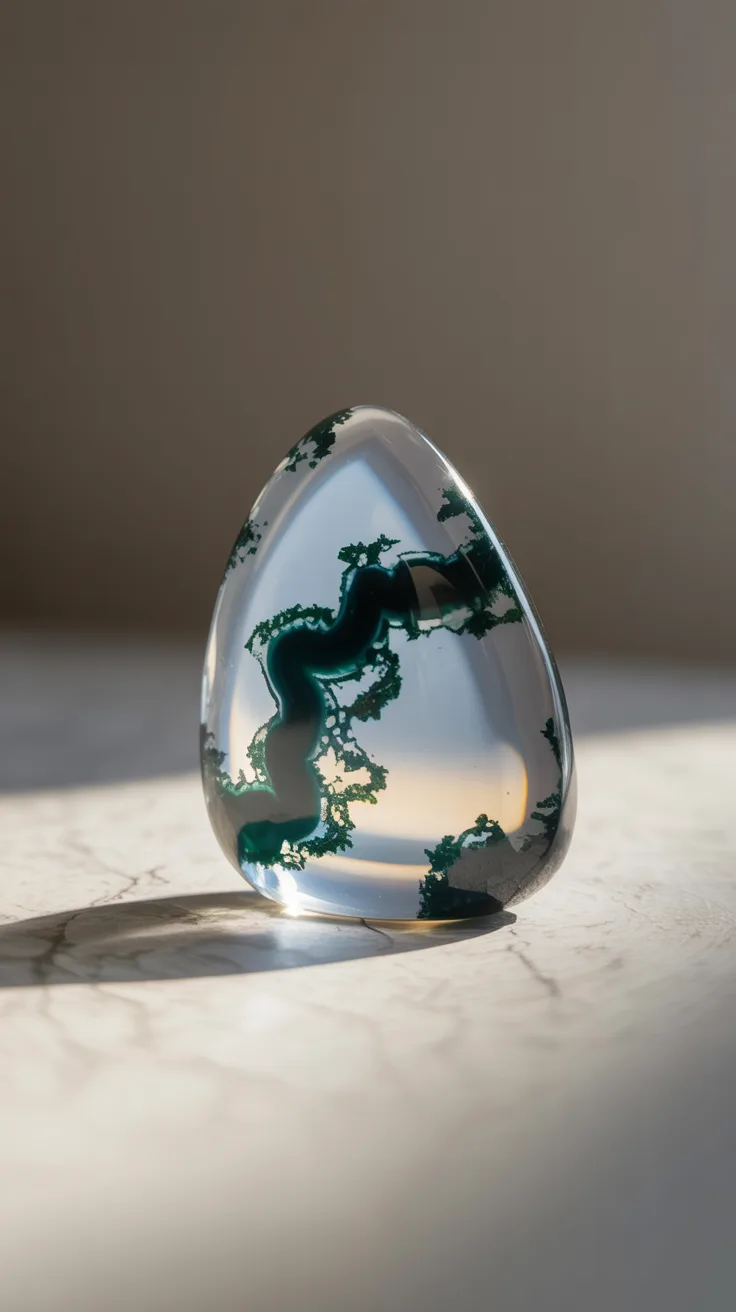
Brazil produces some of the most dramatically beautiful moss agates on the market. What sets Brazilian specimens apart is the stark contrast between their clear, almost water-like backgrounds and bold, dark inclusions.
The visual impact of a well-cut Brazilian Moss Agate is immediate and striking. These stones make exceptional statement jewelry pieces because they command attention without being gaudy. I’ve seen Brazilian specimens that look like ink dropped into crystal-clear water, frozen at the perfect moment.
Pro Tip: Brazilian Moss Agate can be prone to fractures along inclusion lines. Always examine pieces carefully for any hairline cracks, and store them away from extreme temperature changes.
6. Mexican Moss Agate: Warm and Creative
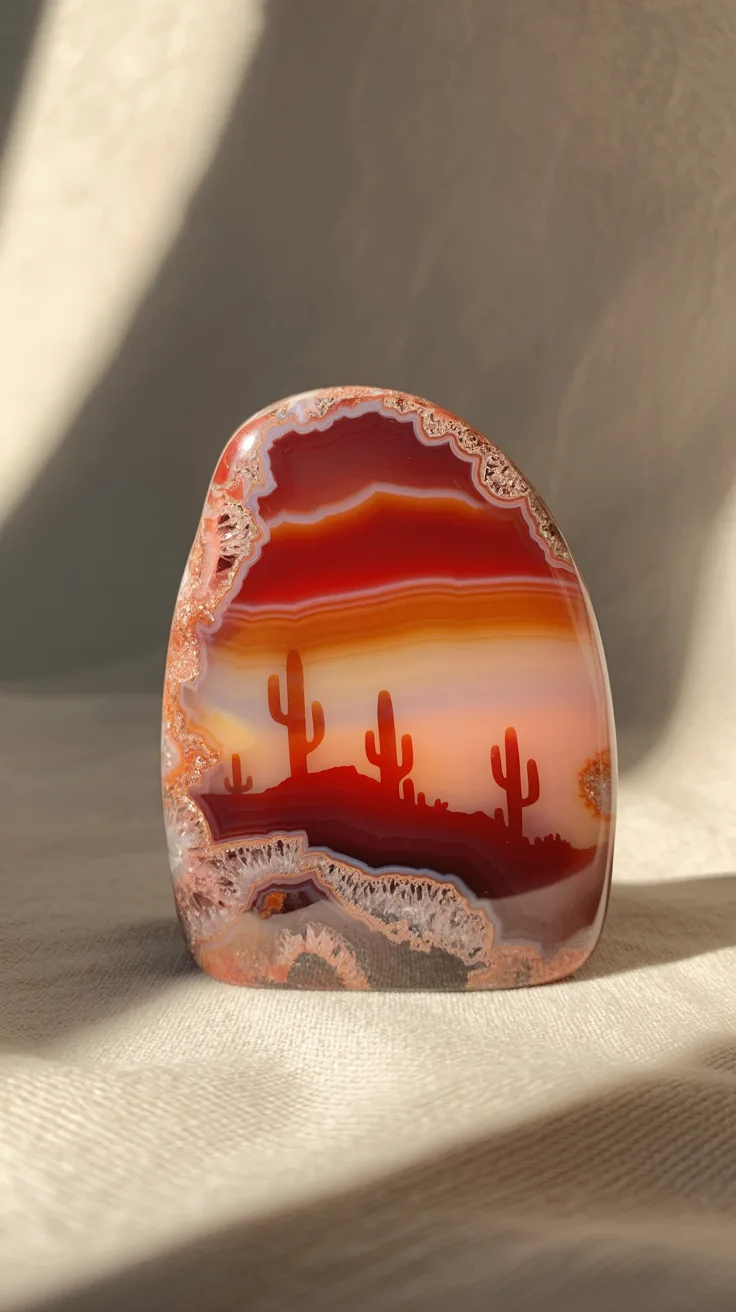
Mexican Moss Agate brings warmth to any collection with its distinctive palette of reds, oranges, and browns. These sunset-colored stones feel like they capture the essence of the Mexican landscape itself.
The inclusions in Mexican specimens often create particularly intricate patterns. I have one piece that genuinely looks like a desert scene at sunset, complete with what appears to be cacti silhouettes. Finding stones with this level of natural artistry requires patience and a keen eye.
Key Characteristics of Mexican Moss Agate
- Warm color palette dominated by earth tones
- Often features iron-rich inclusions creating red and orange hues
- Typically more opaque than Montana or Brazilian varieties
- Excellent for cabochon cuts that showcase pattern depth
7. Australian Moss Agate: The Down Under Gem
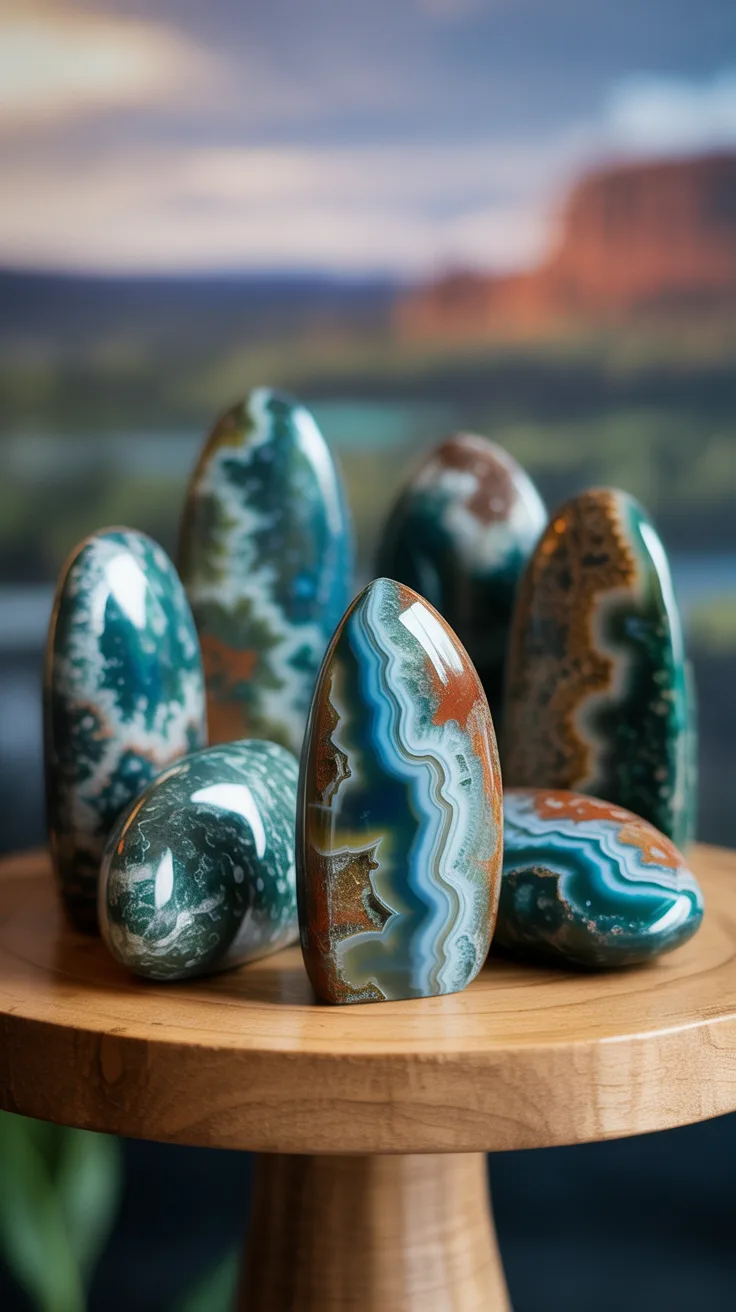
Australian Moss Agate doesn’t get the attention it deserves in the collecting community. The stones from this region feature unique combinations of blues, greens, and browns that create genuinely mesmerizing effects.
What I find particularly appealing about Australian specimens is their unpredictability. The mineral compositions vary significantly depending on the exact location, meaning you might find wildly different patterns even from stones sourced relatively close together. This variety keeps collecting exciting.
8. Chinese Moss Agate: Delicate Beauty
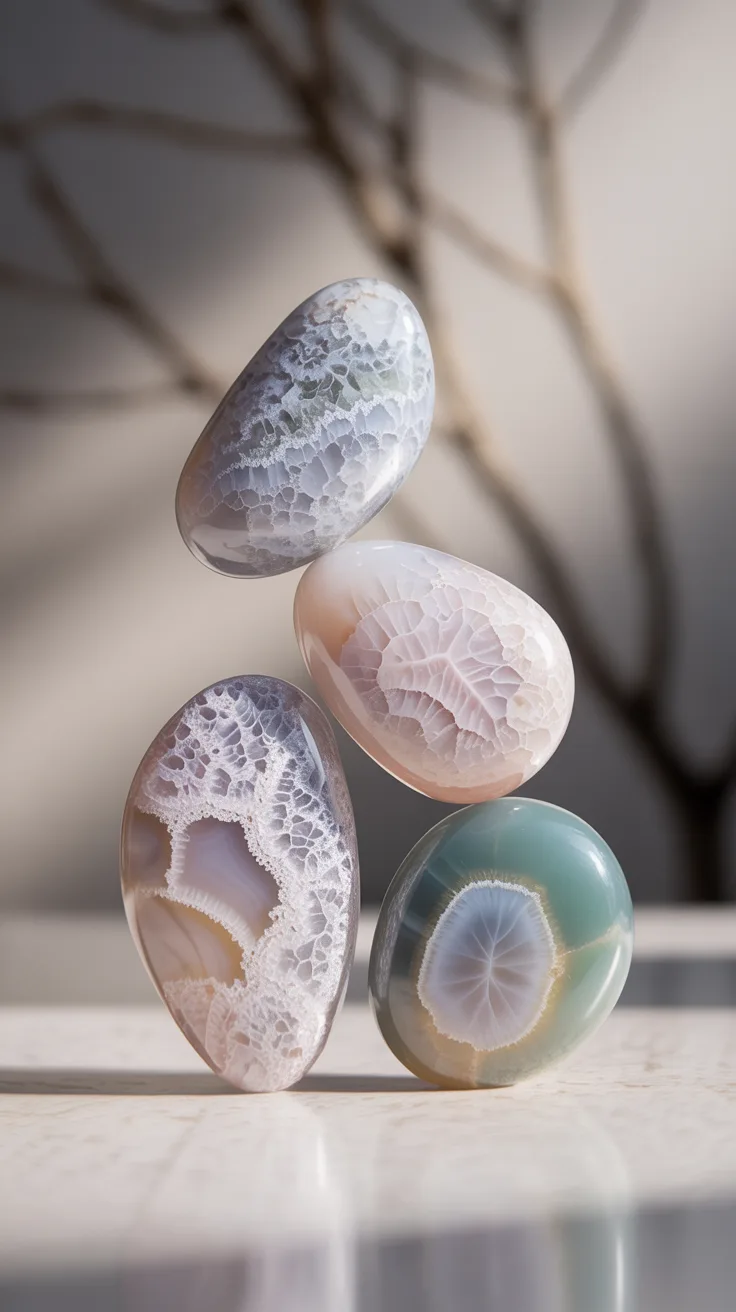
Chinese Moss Agate offers something different from its bolder cousins. These stones typically feature delicate, lace-like patterns in soft pastel shades. The effect is subtle but captivating—like looking at a watercolor painting.
I initially overlooked Chinese specimens, thinking they lacked the drama of other varieties. That was a mistake. The understated elegance of well-chosen Chinese Moss Agate has grown on me considerably. These stones work beautifully in fine jewelry settings where subtlety is valued.
Pro Tip: Chinese Moss Agate pairs exceptionally well with silver settings, which complement its cooler tones without overwhelming the delicate patterns.
Comparing Rare Moss Agate Varieties
| Variety | Primary Colors | Rarity Level | Price Range |
|---|---|---|---|
| Montana | Clear, red, brown | High | $$$ |
| Indonesian | Vibrant greens | Medium | $$ |
| Indian | Earth tones | Low | $ |
| African | Blue, deep green | Very High | $$$$ |
| Brazilian | Clear with dark inclusions | Medium | $$ |
| Mexican | Red, orange, brown | Medium-High | $$-$$$ |
| Australian | Blue, green, brown mix | High | $$$ |
| Chinese | Pastels | Medium | $$ |
Conclusion
Collecting rare moss agates has been one of the most rewarding hobbies I’ve ever pursued. Each variety offers something unique—whether it’s the dramatic landscapes of Montana specimens, the vibrant greens of Indonesian stones, or the elusive beauty of African pieces.
If you’re just starting your collection, don’t feel pressured to acquire the rarest varieties immediately. Begin with more accessible options like Indian or Indonesian Moss Agate, learn to recognize quality, and gradually work your way toward the more coveted specimens. The journey of discovery is half the fun.
These stones are more than investments or decorations—they’re windows into geological processes that span millions of years. Every time I add a new piece to my collection, I’m reminded of nature’s incredible artistry and the privilege of being able to hold a piece of it in my hands.
Frequently Asked Questions
What makes moss agate different from other types of agate?
Unlike traditional agates that feature distinctive banding patterns, moss agate contains mineral inclusions—typically manganese or iron—that create moss-like, dendritic patterns. These inclusions form naturally over millions of years, making each piece unique.
How can you tell if a moss agate is genuine?
Genuine moss agate will have natural, irregular inclusions with a waxy to vitreous luster. Be cautious of stones with overly uniform patterns or unnaturally vivid colors, as these may be dyed or synthetic. When in doubt, purchase from reputable dealers who provide authenticity documentation.
Are rare moss agates a good investment?
High-quality rare moss agates can appreciate in value, particularly specimens with exceptional patterns, clarity, and provenance. However, like any collectible, values can fluctuate. I recommend collecting primarily for enjoyment rather than purely as an investment strategy.
What are the best practices for caring for moss agate?
Clean your moss agate with lukewarm water, mild soap, and a soft cloth. Avoid ultrasonic cleaners, harsh chemicals, and sudden temperature changes. Store pieces separately to prevent scratching, and keep them away from prolonged direct sunlight to preserve their colors.
Where can I buy authentic rare moss agates?
Reputable sources include established gem dealers, major gem shows like Tucson and Denver, specialized online marketplaces, and auction houses. Always request certification when possible, and don’t hesitate to ask sellers about the stone’s origin and history.