

Introduction to Free Gold Panning Locations
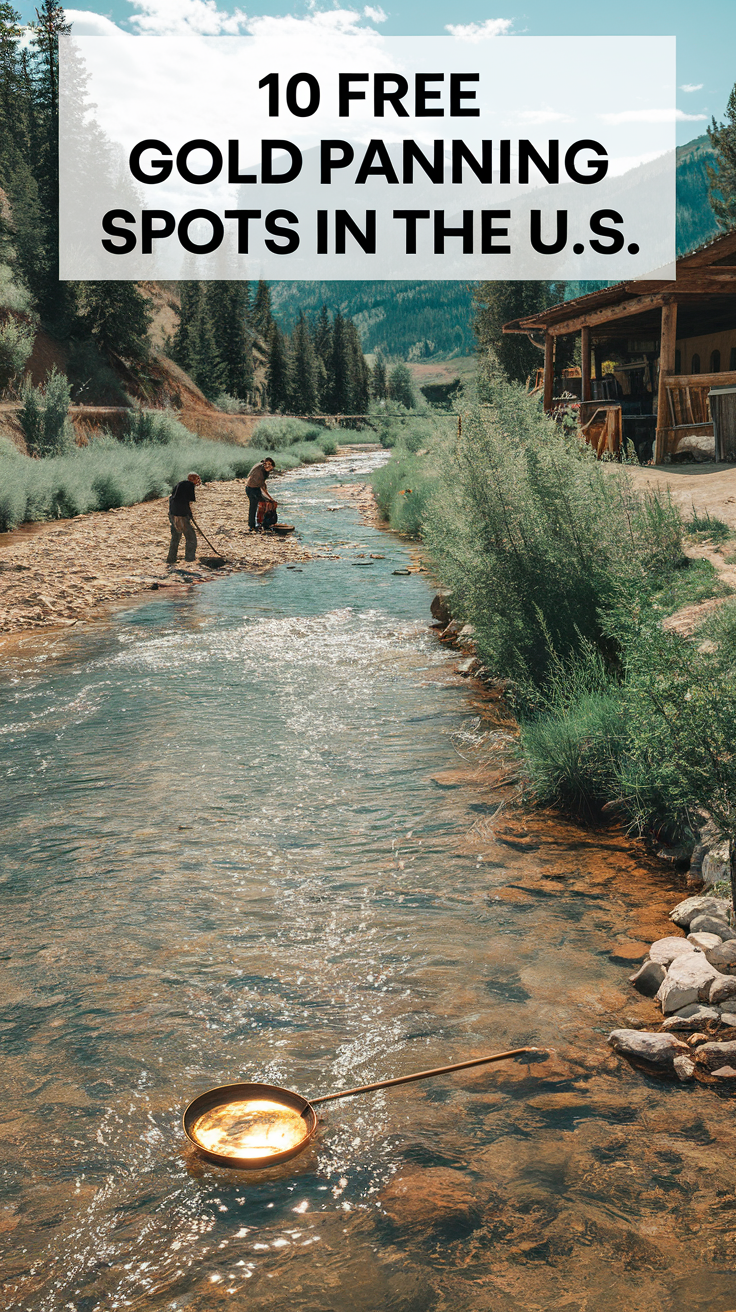
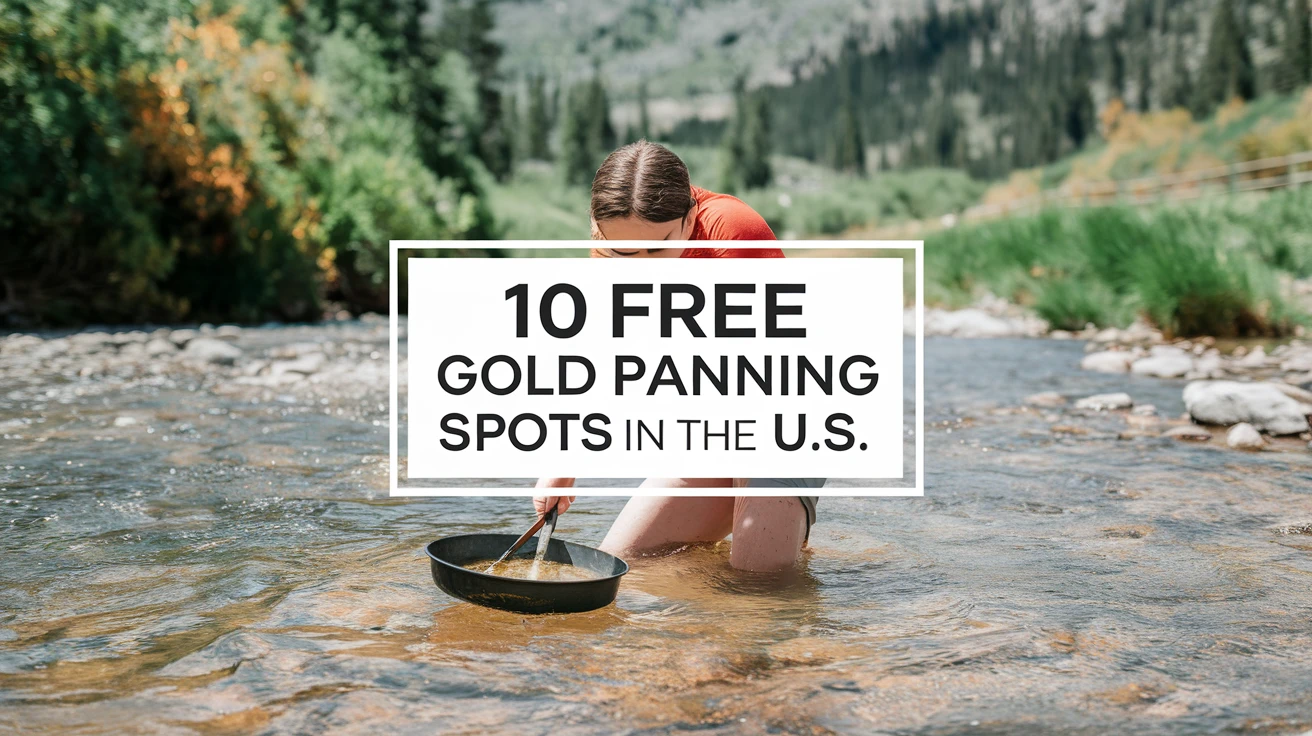
Gold panning is one of the easiest ways to try recreational prospecting because it requires simple tools, basic technique, and access to a legal public waterway.
Across the United States, many public lands, recreation areas, forests, and historic mining districts allow casual gold panning with hand tools.
However, “free” does not always mean unrestricted.
Some places allow hand panning but prohibit sluices, dredges, digging into banks, metal detectors, or collecting near bridges and developed areas.
Parking fees, day-use fees, seasonal closures, fire restrictions, claim boundaries, and permit rules may also apply.
This updated guide highlights ten well-known gold panning areas in the U.S. and explains what beginners should know before heading out.
A beginner gold panning kit gives new prospectors the basic tools needed to practice safely and legally.

Important Legal Note Before You Pan
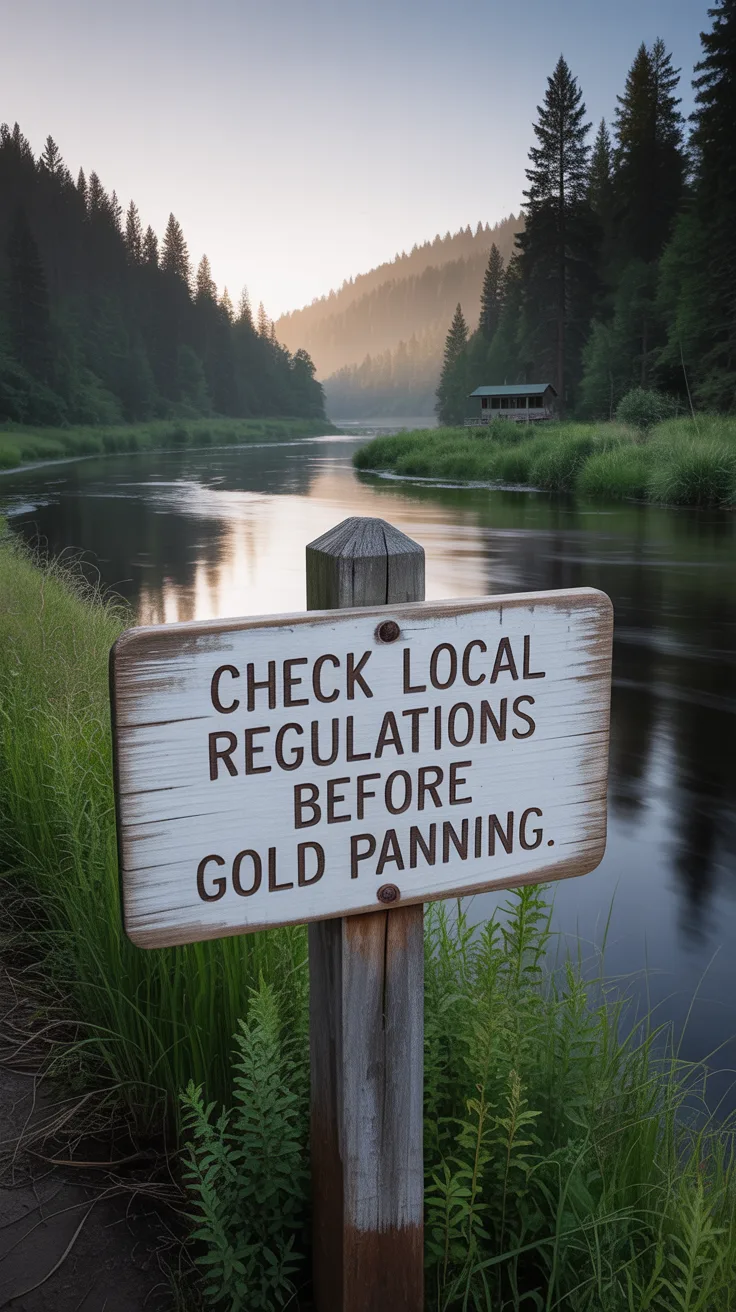
Gold panning rules vary by state, county, park, river, public land agency, and individual mining claim.
Before collecting, always confirm current rules with the managing agency such as a state park office, Bureau of Land Management office, U.S. Forest Service ranger district, county open space department, or local land manager.
Hand panning is often treated differently from sluicing, dredging, highbanking, metal detecting, or digging with larger tools.
Never pan on private property without written permission, and never assume a public river is open if it crosses active mining claims, protected habitat, tribal land, park land, or restricted areas.

View on AmazonAs an Amazon Associate, I earn from qualifying purchases.

View on AmazonAs an Amazon Associate, I earn from qualifying purchases.
Essential Gold Panning Equipment
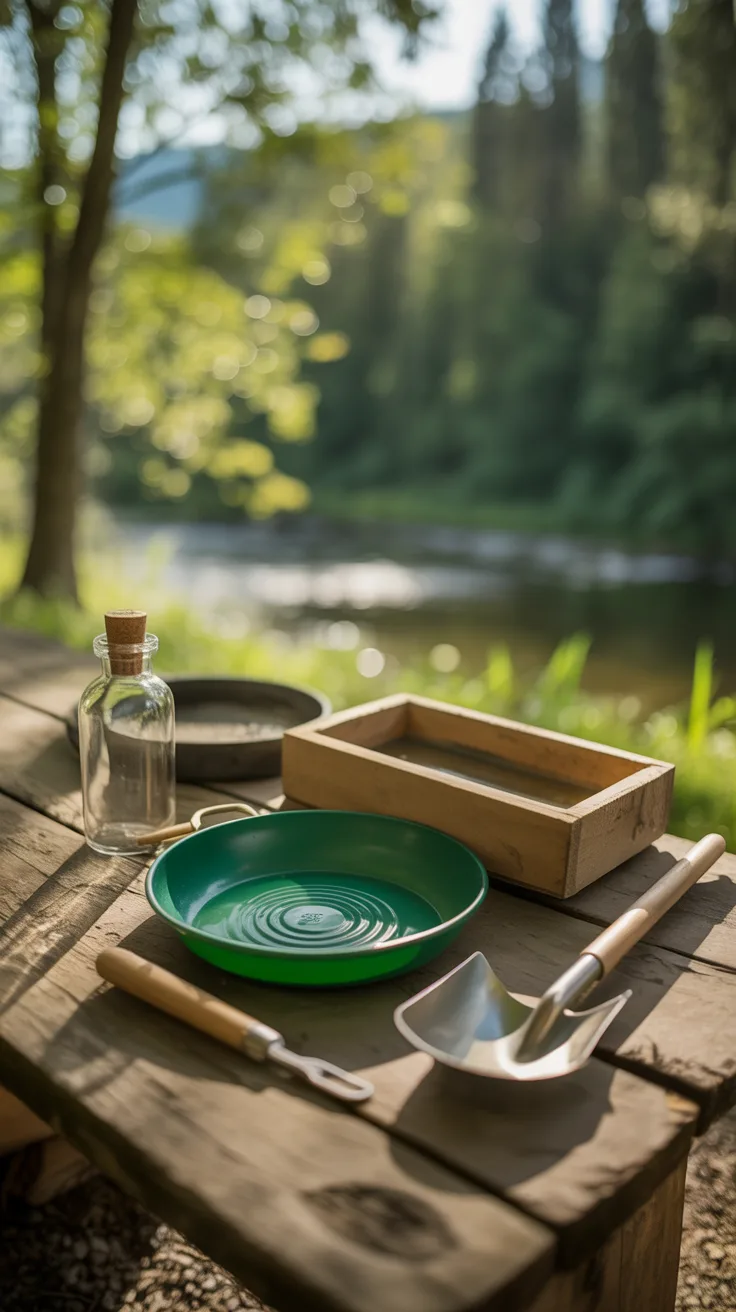
Gold panning does not require expensive gear, but the right basic tools make the process much easier.
Basic Equipment Checklist
| Equipment | Purpose | Beginner Notes |
|---|---|---|
| Gold pan | Separates heavy gold from lighter sand and gravel | A 10-inch or 14-inch plastic pan is easiest for beginners |
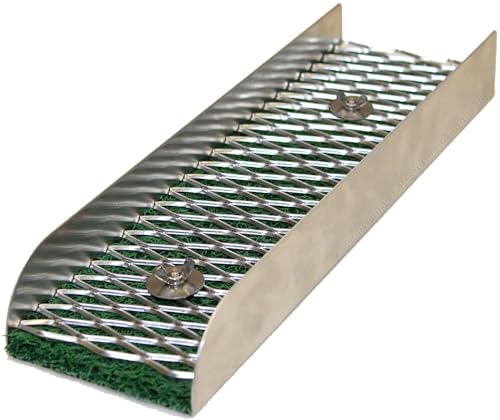
| Classifier screen | Removes larger rocks before panning | Speeds up panning and improves consistency |
| Snuffer bottle | Collects small flakes and fine gold | Essential for saving tiny pieces |
| Glass vials | Stores found gold safely | Use secure lids and label your finds |
| Small shovel or trowel | Collects gravel from legal areas | Check whether digging is allowed before using tools |
Additional Recommended Items
- Rubber boots or waders
- Gloves
- Sun hat and sunglasses
- Sunscreen
- First aid kit
- Drinking water and snacks
- Tweezers
- Magnifying glass or loupe
- Map or offline GPS app
- Trash bag for leave-no-trace cleanup
A gold panning classifier screen helps remove large gravel before you work the heavier black sand and gold concentrates.

View on AmazonAs an Amazon Associate, I earn from qualifying purchases.
View on AmazonAs an Amazon Associate, I earn from qualifying purchases.
Quick Comparison Chart: Beginner-Friendly Gold Panning Spots
| Location | State | Best For | Important Rule Reminder |
|---|---|---|---|
| Auburn State Recreation Area | California | Gold Country history and river panning | Hand panning rules apply |
| Bear River near Colfax | California | Fine gold and public access research | Confirm access points and private land |
| Clear Creek | Colorado | Easy access near Denver | Rules vary by open space area |
| Douglas Creek | Colorado | Mountain prospecting | Check current Forest Service rules |
| Dahlonega area | Georgia | Gold rush history | Verify legal creek access |
| Nome Creek | Alaska | Remote public land experience | Seasonal access and closures can change |
| Reed Gold Mine region | North Carolina | Historic gold discovery area | Do not pan on private land without permission |
| South Pass area | Wyoming | Historic mining district scenery | Watch for claims and land status |
| Rogue River region | Oregon | Southwest Oregon gold country | Follow state and federal mining rules |
| Snake River | Idaho | Fine flour gold practice | Expect very small gold particles |
Top 10 Free or Low-Cost Gold Panning Spots in the U.S.
1. Auburn State Recreation Area, California
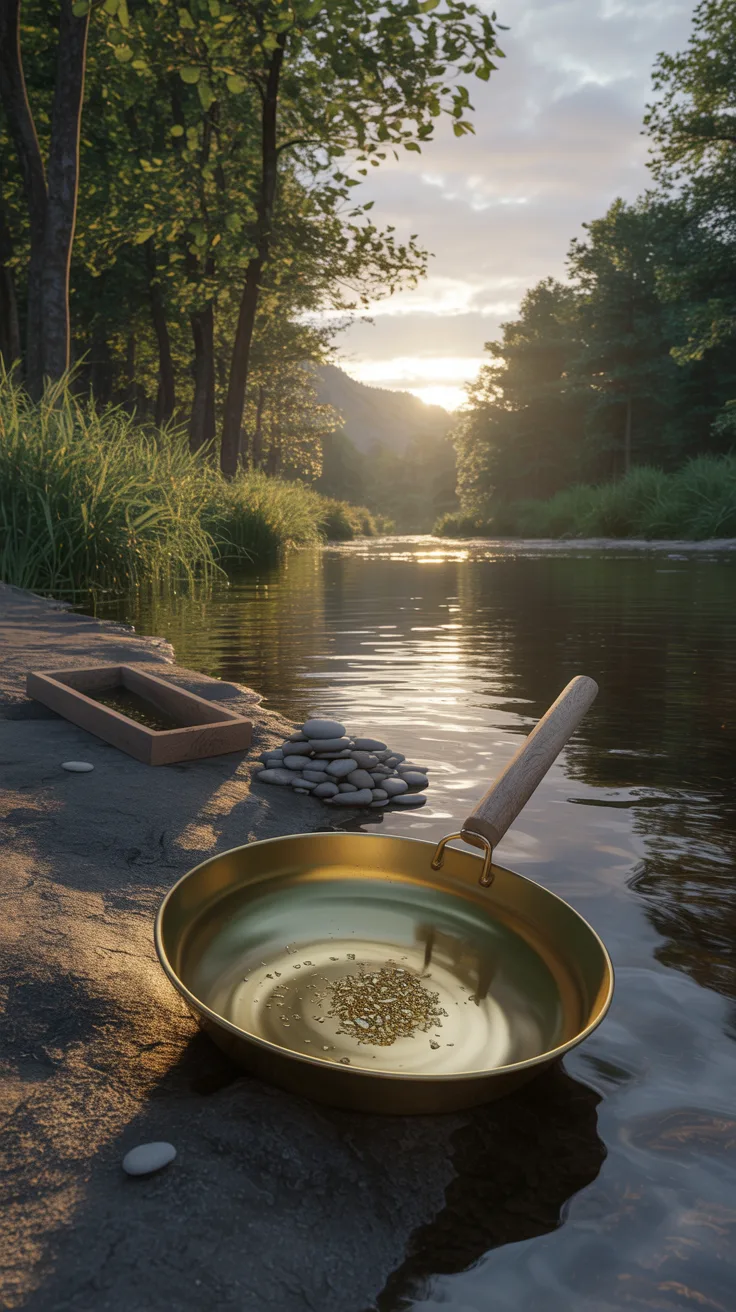
Auburn State Recreation Area is one of the best-known public places for recreational gold panning in California Gold Country.
The American River drainage has a long mining history, and casual hand panning is allowed in designated running streambeds under park rules.
This area is a good choice for beginners because it combines scenery, history, and public access.
Check current California State Parks rules before visiting because restrictions can apply to tools, locations, parking, metal detecting, and seasonal conditions.
2. Bear River Near Colfax, California
The Bear River near Colfax is often mentioned by recreational prospectors because it sits in a historically productive part of California Gold Country.
Beginners should be careful here because access points, private property boundaries, and local restrictions can vary.
The best approach is to research public access areas before the trip and avoid any location that is not clearly open for recreational panning.
3. Clear Creek, Colorado
Clear Creek is one of Colorado’s most convenient gold panning areas because parts of the creek are close to Denver and have a long mining history.
Some county open space and public land areas allow hand panning, but rules can change from one section of the creek to another.
Beginners should check the specific park or county rules for the exact stretch they plan to visit.
A gold snuffer bottle and vial set makes it easier to collect and store tiny flakes found in black sand concentrates.
4. Douglas Creek, Colorado
Douglas Creek is located in a scenic mountain setting and has a history of placer gold activity.
The area appeals to hobby prospectors who want a more rugged outdoor experience than urban-access locations.
Before panning, confirm current rules with the appropriate land manager because public land, private land, and active claims can exist near historic gold districts.
5. Dahlonega Area, Georgia
Dahlonega is famous for its connection to one of America’s earliest major gold rushes.
The region has historic creeks, museums, commercial gold attractions, and public land nearby, making it a popular destination for people interested in gold history.
Not every creek around Dahlonega is open for free panning, so beginners should verify legal access before collecting material.
6. Nome Creek, Alaska
Nome Creek in Alaska’s White Mountains region offers a true northern prospecting experience for visitors who are prepared for remote travel.
The area is known for recreational gold panning opportunities, summer access roads, campgrounds, and public land recreation.
Seasonal conditions, wildfires, road issues, and temporary closures can affect access, so visitors should check current Bureau of Land Management updates before leaving.
7. Reed Gold Mine Region, North Carolina
Reed Gold Mine is connected to the first documented gold discovery in the United States.
The historic site itself may have admission or activity fees, but the surrounding region remains important in American gold history.
Free panning should not be assumed in nearby creeks because much of the surrounding land may be private or restricted.
Use this region as a history-focused stop and confirm legal public panning areas before collecting.
8. South Pass Area, Wyoming
South Pass is a historic Wyoming mining district with strong Old West character and gold mining history.
The area can be rewarding for experienced hobbyists who understand public land research, mining claims, and seasonal access.
Summer is generally the most practical time to visit because high-elevation weather can limit access during colder months.
9. Rogue River Region, Oregon
Southwest Oregon has a long placer gold history, and the Rogue River region remains popular with recreational prospectors.
Oregon has specific rules for recreational mining, and sensitive fish habitat, scenic waterways, seasonal limits, and equipment restrictions may apply.
Hand panning is usually the safest beginner option, but visitors should confirm current rules with state and federal agencies before prospecting.
10. Snake River, Idaho
The Snake River is known for very fine “flour gold,” which can be challenging but useful for learning careful panning technique.
Because the gold particles are often tiny, beginners should expect practice rather than large nuggets.
A classifier, snuffer bottle, and patient finishing technique are especially helpful in this type of material.
How to Read a River for Gold
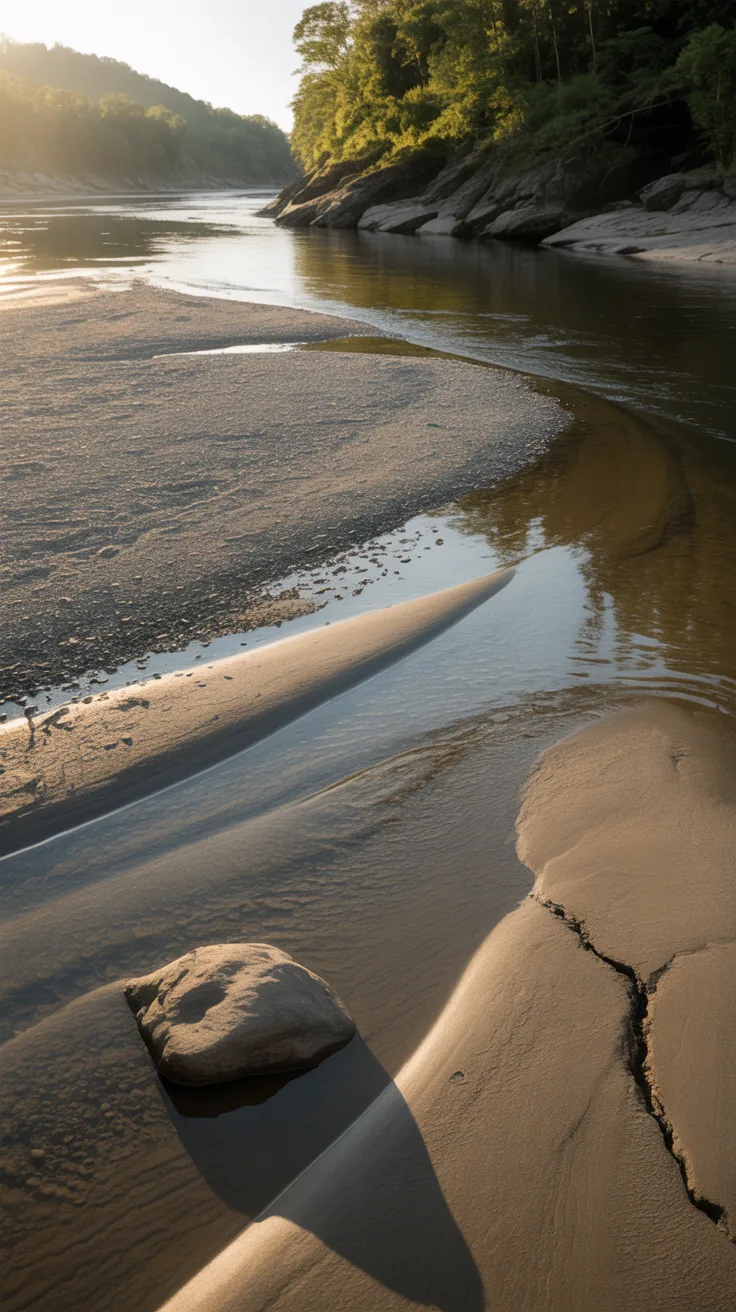
Gold is much heavier than ordinary sand and gravel, so it tends to settle where water slows down or where natural traps form.
| River Feature | Why Gold Collects There | Beginner Priority |
|---|---|---|
| Inside bends | Slower water drops heavy material | High |
| Behind large rocks | Eddies create natural traps | Medium |
| Bedrock cracks | Gold settles into crevices | Very high |
| Gravel bars | Floods deposit mixed heavy material | Medium |
| Black sand layers | Heavy minerals often concentrate with gold | High |
Basic Gold Panning Technique
The basic technique is simple, but efficient panning takes practice.
- Fill the pan about two-thirds full with legal stream gravel.
- Submerge the pan and break up clay, roots, and packed material by hand.
- Shake the pan underwater to let heavy material settle to the bottom.
- Wash lighter material away with gentle forward tilting motions.
- Repeat the shaking and washing process slowly.
- Reduce the pan to black sand and heavy concentrates.
- Look carefully for small yellow flakes that stay behind while lighter material moves.
- Use a snuffer bottle to collect any visible gold.
A gold panning practice paydirt can help beginners learn technique at home before visiting a real creek.
Safety Tips for Gold Panning
Gold panning often happens near moving water, slippery rocks, remote roads, and changing weather.
- Do not pan alone in remote areas.
- Check weather, water levels, fire restrictions, and road conditions before leaving.
- Wear footwear with good traction.
- Keep children away from swift water and steep banks.
- Carry drinking water, snacks, and a first aid kit.
- Tell someone where you are going and when you expect to return.
- Avoid undercut banks, unstable slopes, and fast water.
- Pack out trash and leave the creek cleaner than you found it.
Legal Requirements and Responsible Prospecting
Responsible gold panning protects public access, waterways, wildlife habitat, and historic sites.
- Confirm whether hand panning is allowed before collecting.
- Check for active mining claims.
- Respect private property boundaries.
- Do not dig into streambanks unless rules clearly allow it.
- Do not disturb archaeological or historic artifacts.
- Follow seasonal restrictions that protect fish habitat.
- Use only allowed tools and equipment.
- Fill small holes where required and minimize disturbance.
If a location requires more than a simple pan, check whether a permit, notice, or agency approval is needed.
Common Beginner Mistakes
One common mistake is expecting nuggets on the first trip.
Most recreational panners find tiny flakes, specks, or no gold at all while they are learning.
Another mistake is washing the pan too aggressively and accidentally losing fine gold with lighter material.
Beginners also sometimes collect from easy sandbars only, even though better results often come from heavy gravel, bedrock cracks, and black sand concentrations.
A rockhounding magnifying loupe helps inspect tiny flakes, black sand concentrates, and possible gold finds more closely.
Key Takeaways
- Free gold panning locations may still have parking fees, seasonal closures, or equipment restrictions.
- Always verify current rules before visiting a creek, park, forest, or public land area.
- Hand panning is the best beginner method because it is simple and less restricted than motorized equipment.
- Gold collects where water slows and heavy material settles.
- Finding small flakes is normal for recreational prospecting.
- Respect land boundaries, mining claims, wildlife habitat, and historic artifacts.
Conclusion
Gold panning is a rewarding outdoor hobby that combines history, geology, patience, and time in nature.
The ten areas in this guide are useful starting points for beginners, but every trip should begin with current research on local access and rules.
With a basic pan, a classifier, a snuffer bottle, and realistic expectations, beginners can enjoy the search for gold while protecting public lands and waterways for future prospectors.
Frequently Asked Questions
Do I need a permit to pan for gold?
Permit requirements depend on the location, land manager, equipment, and level of disturbance, so always check current rules before panning.
Is gold panning really free?
Some public areas allow free hand panning, but parking fees, day-use fees, permits, seasonal closures, or equipment restrictions may still apply.
What is the best time of year to go gold panning?
Late spring through early fall is often best because water levels are usually more manageable and many mountain roads are open.
How much gold can beginners expect to find?
Most beginners find small flakes or specks if they find gold at all, so the experience should be treated as recreation rather than income.
Is gold panning hard to learn?
The basic motion can be learned quickly, but keeping fine gold in the pan takes practice and patience.
Can kids go gold panning?
Gold panning can be a fun family activity when children are closely supervised around water, rocks, tools, and outdoor hazards.
How can I tell if I found real gold?
Real gold is heavy, soft, yellow, non-magnetic, and does not glitter from every angle like mica or pyrite.
What is flour gold?
Flour gold is extremely fine gold that appears as tiny particles and can be difficult to recover without careful technique.
Can I use a sluice box anywhere panning is allowed?
No, sluice boxes are often regulated differently from hand pans and may require special permission or be prohibited in certain areas.
What should I do if I find historical artifacts?
Leave historical artifacts in place and report them to the appropriate park ranger, land manager, or local authority.
