
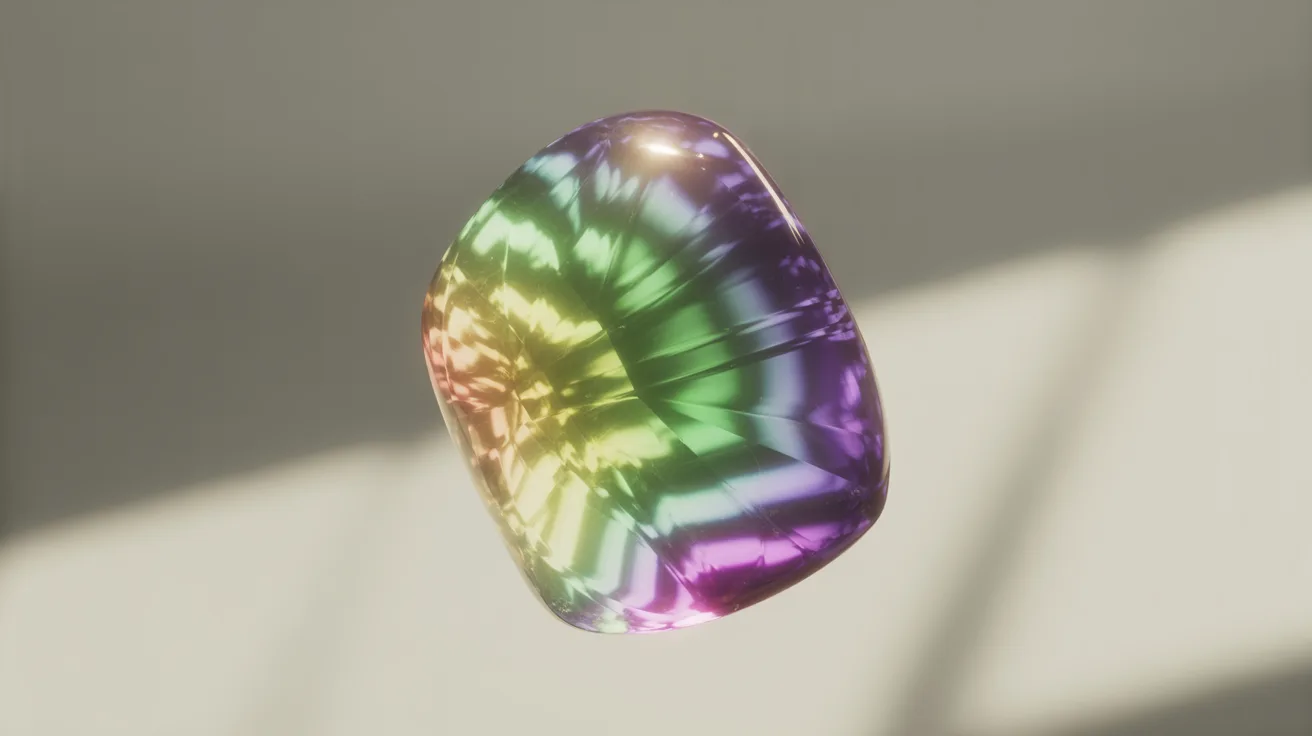
The world of gemstones is a dazzling intersection of science, art, and natural wonder. Among the vast variety of precious and semi-precious stones, multicolored gemstones stand out as true marvels—each one a tiny geological canvas where nature paints with multiple hues at once. Their shifting tones, vivid banding, or optical effects make them cherished treasures for collectors, jewelers, and anyone captivated by Earth’s natural artistry. Having spent years studying and collecting these radiant stones, I’ve come to appreciate how each one tells a story millions of years in the making. Below, we’ll explore ten extraordinary multicolored gemstones, each with its own distinct visual signature, rarity, and geological backstory.
1. Fluorite: Nature’s Rainbow Crystal
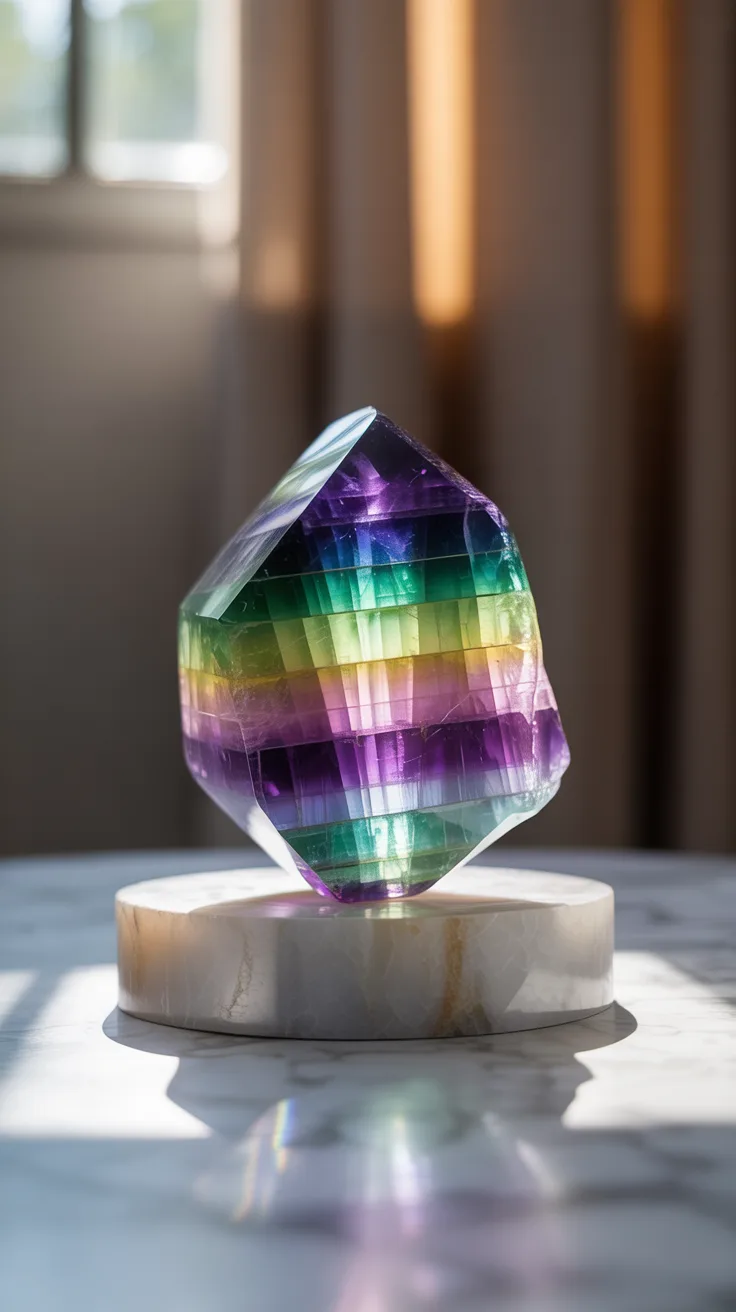
Fluorite is often celebrated as the most vibrantly colored mineral known, capable of displaying multiple hues in sharply defined zones. My first encounter with a multicolored fluorite crystal at a Tucson gem show remains unforgettable—the specimen showcased deep purples blending seamlessly into fresh greens and soft yellows.
Color Zones in Fluorite
| Zone Type | Common Colors | Occurrence |
|---|---|---|
| Core | Deep Purple | Most Common |
| Middle | Green to Blue | Frequent |
| Outer | Yellow to Clear | Less Common |
Fluorite’s signature color zoning develops as its crystal grows under changing chemical and temperature conditions. Its perfect octahedral cleavage and vibrant fluorescence under UV light add to its popularity among collectors. High-quality specimens with sharp, contrasting color bands are especially sought after.

View on AmazonAs an Amazon Associate, I earn from qualifying purchases.

View on AmazonAs an Amazon Associate, I earn from qualifying purchases.
2. Watermelon Tourmaline: The Fruit of the Mineral World
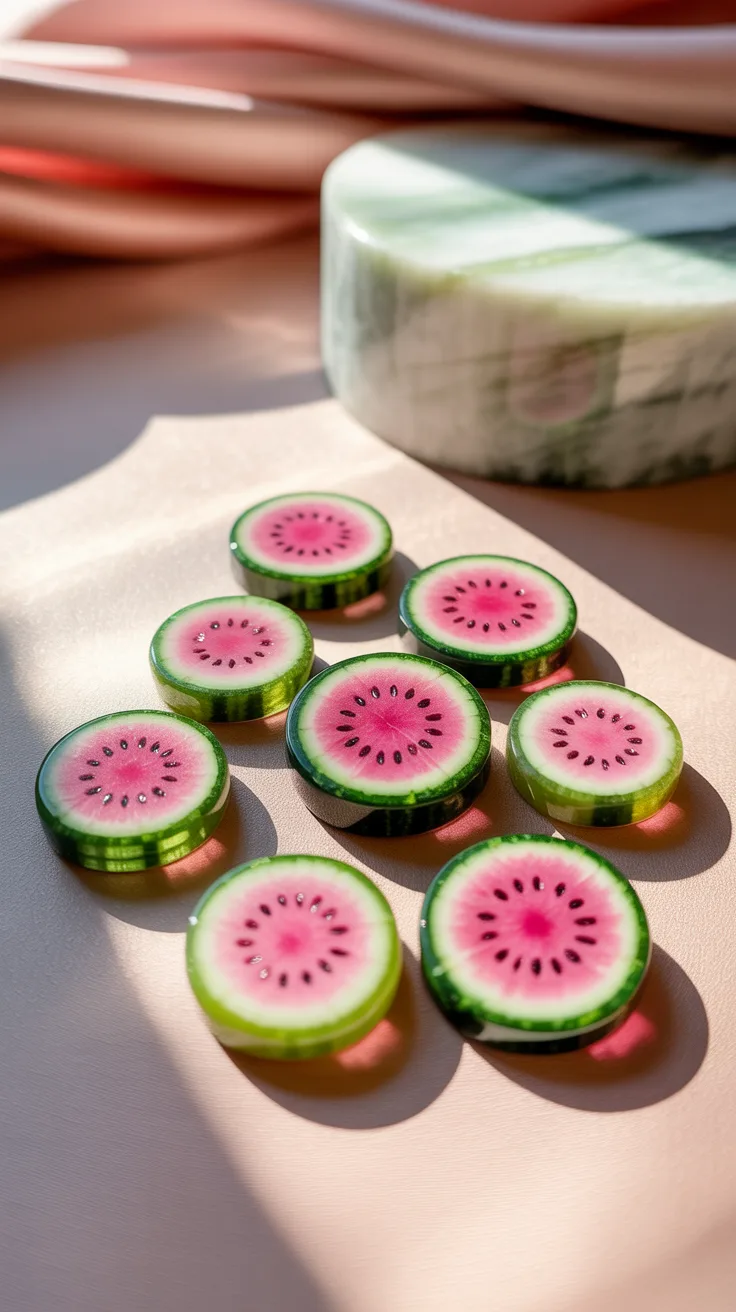
This beloved tourmaline variety truly lives up to its nickname—cut slices resemble juicy summer fruit, complete with a pink “flesh” center and a green “rind.” These stones form under rare chemical shifts during crystal growth, making sharply separated colors a sign of exceptional quality.
Key Characteristics
– Pink core representing the “flesh”
– Green outer layer representing the “rind”
– Occasional thin white band between color zones
– Typically cut in cross-sectional slices to reveal the full pattern
– Best specimens feature crisp, well-defined color boundaries
Brazil and Madagascar historically produced many of the world’s finest watermelon tourmalines, though deposits vary in productivity over time. Their beauty and relative durability make them popular for both collectors and everyday jewelry.

View on AmazonAs an Amazon Associate, I earn from qualifying purchases.

View on AmazonAs an Amazon Associate, I earn from qualifying purchases.
3. Opal: Dancing Colors of the Desert
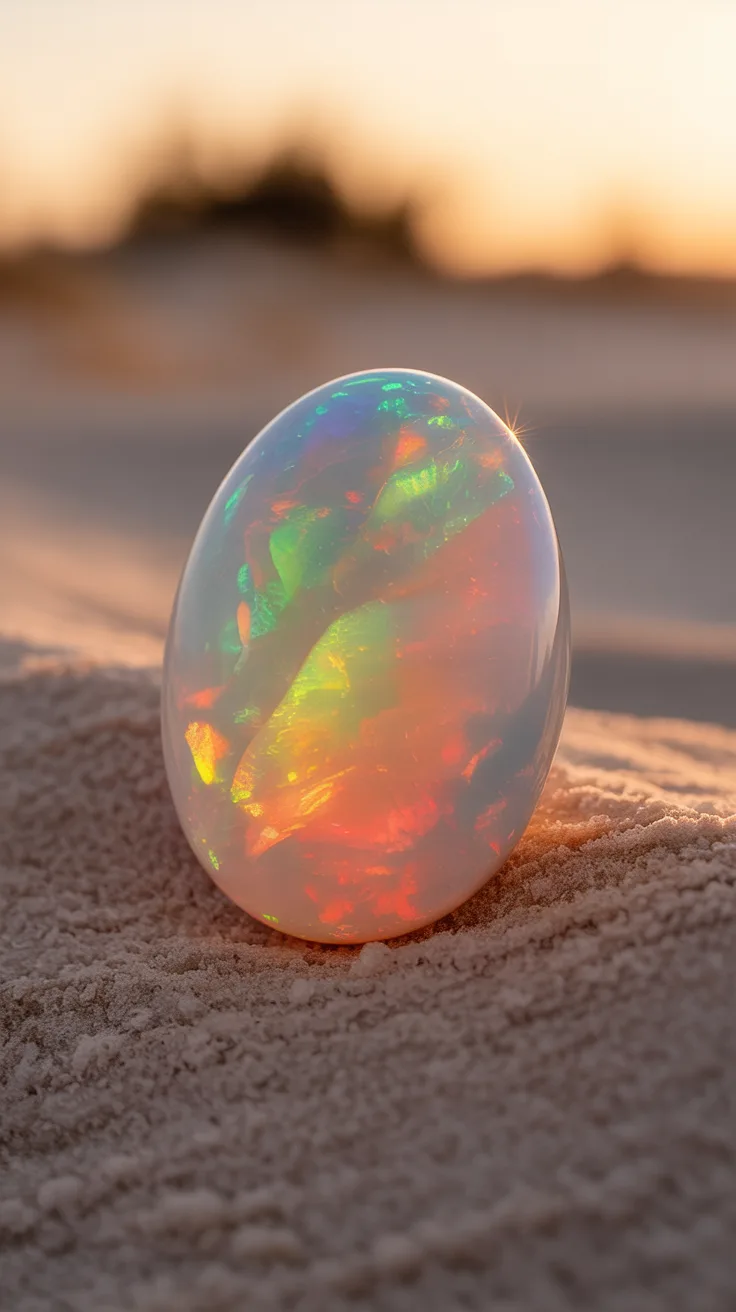
Australian opals—particularly black opals—are world-renowned for their breathtaking play-of-color, a phenomenon where vibrant flashes of red, green, blue, and gold appear to dance across the stone’s surface. This effect arises from microscopic spheres of silica that diffract light much like a natural prism.
Opal Quality Factors
| Factor | Premium Quality | Commercial Quality |
|---|---|---|
| Color Play | All spectral colors | Limited color range |
| Pattern | Broad flash patterns | Pin-fire or small patterns |
| Background | Dark body tone | Light body tone |
Proper lighting is essential for evaluating opals. Natural daylight or diffuse white light reveals the deepest range of colors, helping buyers distinguish premium specimens from lower-quality stones.

View on AmazonAs an Amazon Associate, I earn from qualifying purchases.

View on AmazonAs an Amazon Associate, I earn from qualifying purchases.
4. Ammolite: The Rainbow Fossil
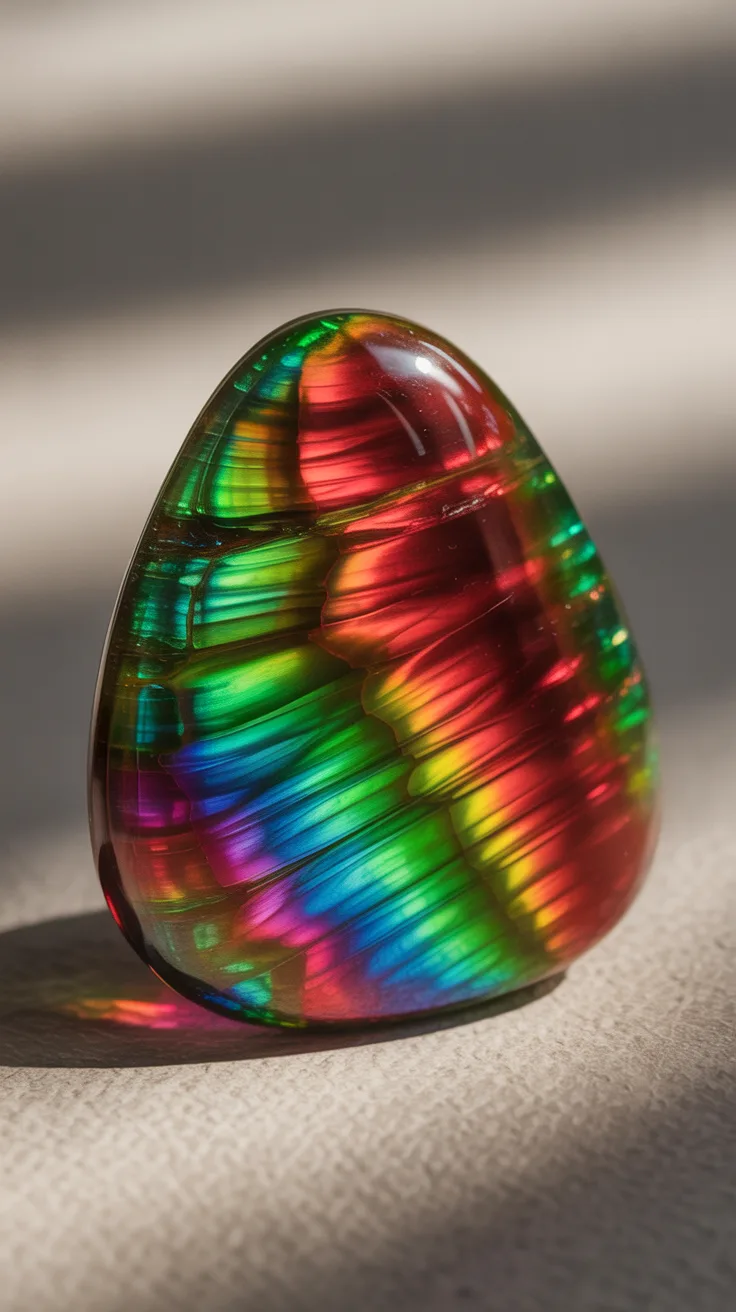
Ammolite is one of the rarest organic gemstones, formed from the fossilized shells of ancient ammonites. Its iridescence can rival even the finest opals, and its vivid color layers reflect millions of years of geological transformation.
Primary Color Patterns:
– Red and green (most common)
– Blue and violet (rare and valuable)
– Gold and orange (highly sought after)
– Full spectrum (extremely rare)
Found almost exclusively in Alberta, Canada, ammolite is treasured for its durability and unique blend of fossil history and vibrant coloration.
5. Alexandrite: The Color-Changing Marvel
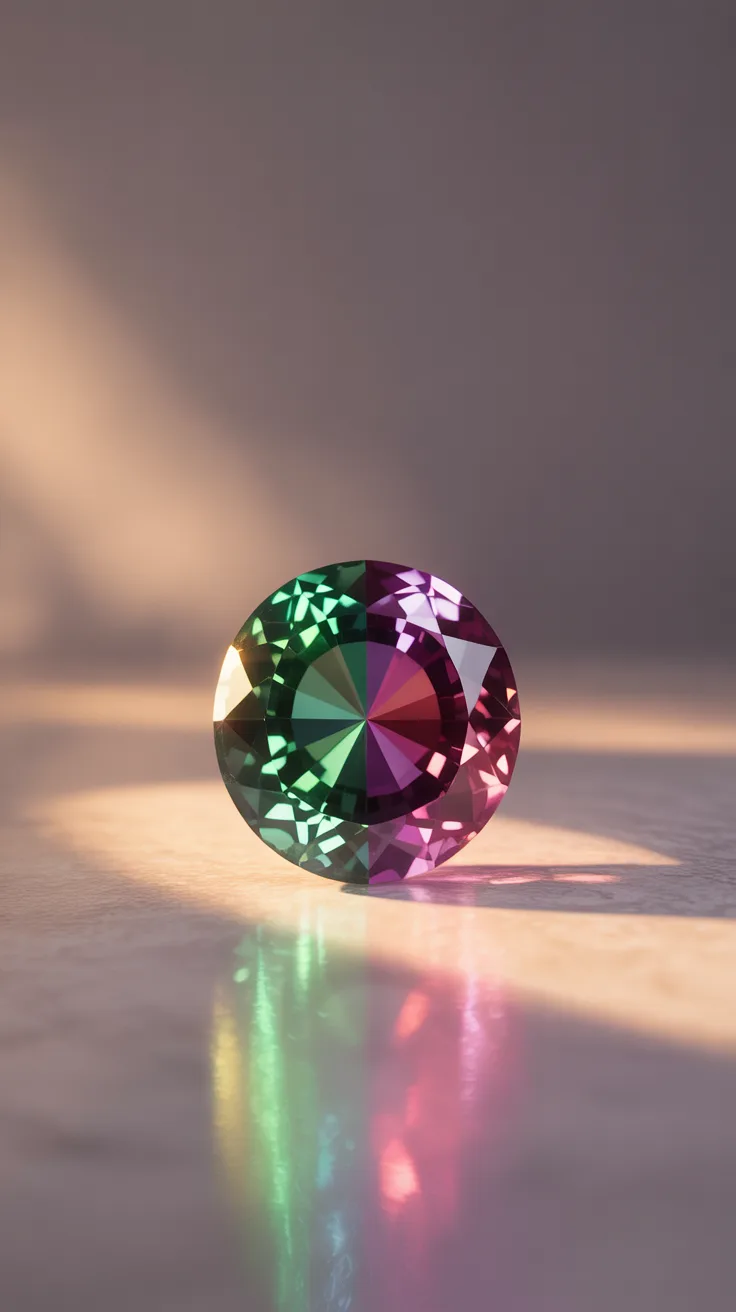
Alexandrite is often considered one of the most magical gemstones due to its dramatic color-change effect. In daylight, it appears green or bluish-green, but under incandescent light, it shifts to rich red or purplish tones. This remarkable transformation occurs due to the stone’s complex absorption profile and chromium content.
Though not multicolored at the same time, its chameleon-like behavior earns it a place on this list.

View on AmazonAs an Amazon Associate, I earn from qualifying purchases.

View on AmazonAs an Amazon Associate, I earn from qualifying purchases.
6. Mystic Topaz: Modern Rainbow Wonder
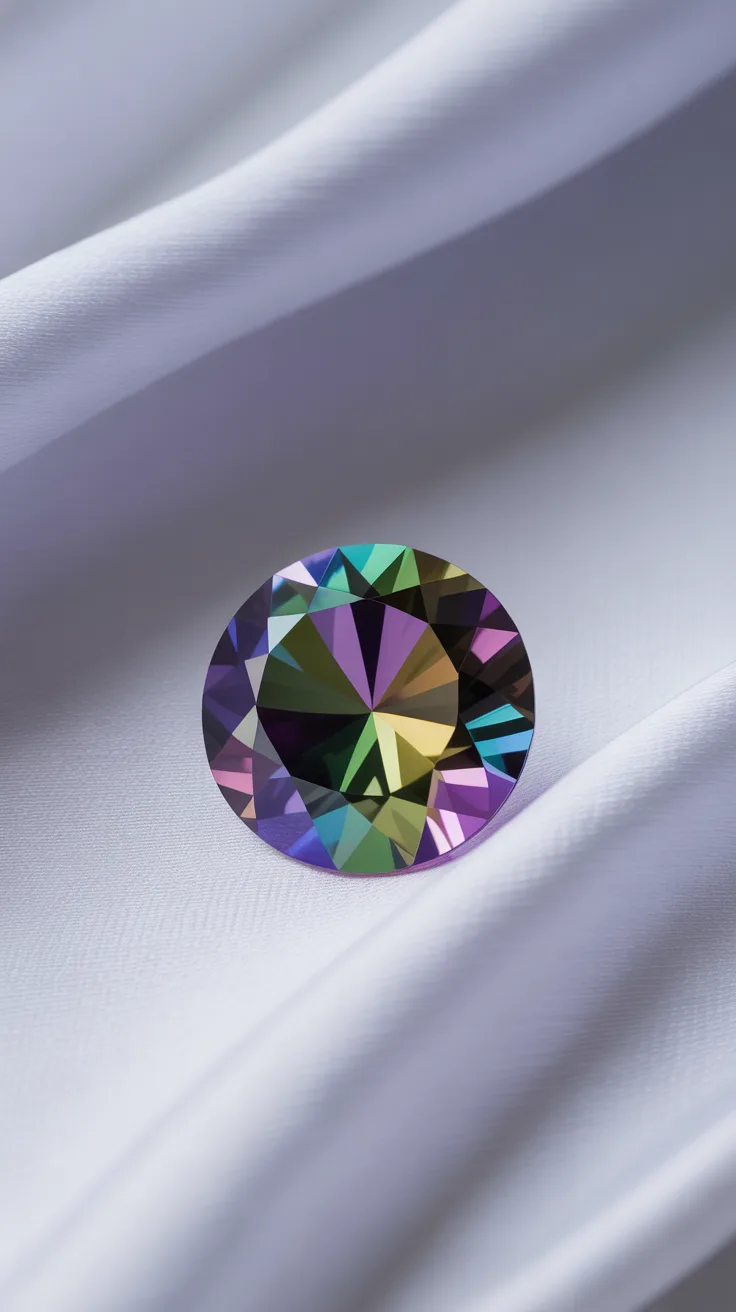
Mystic topaz is produced by applying a thin, permanent metallic coating to natural colorless topaz. The result is a vivid rainbow sheen with purples, greens, golds, and blues glimmering across its surface. This enhancement method makes it an accessible option for people who love multicolored effects without the high cost of rare natural stones.
7. Labradorite: The Northern Lights Stone
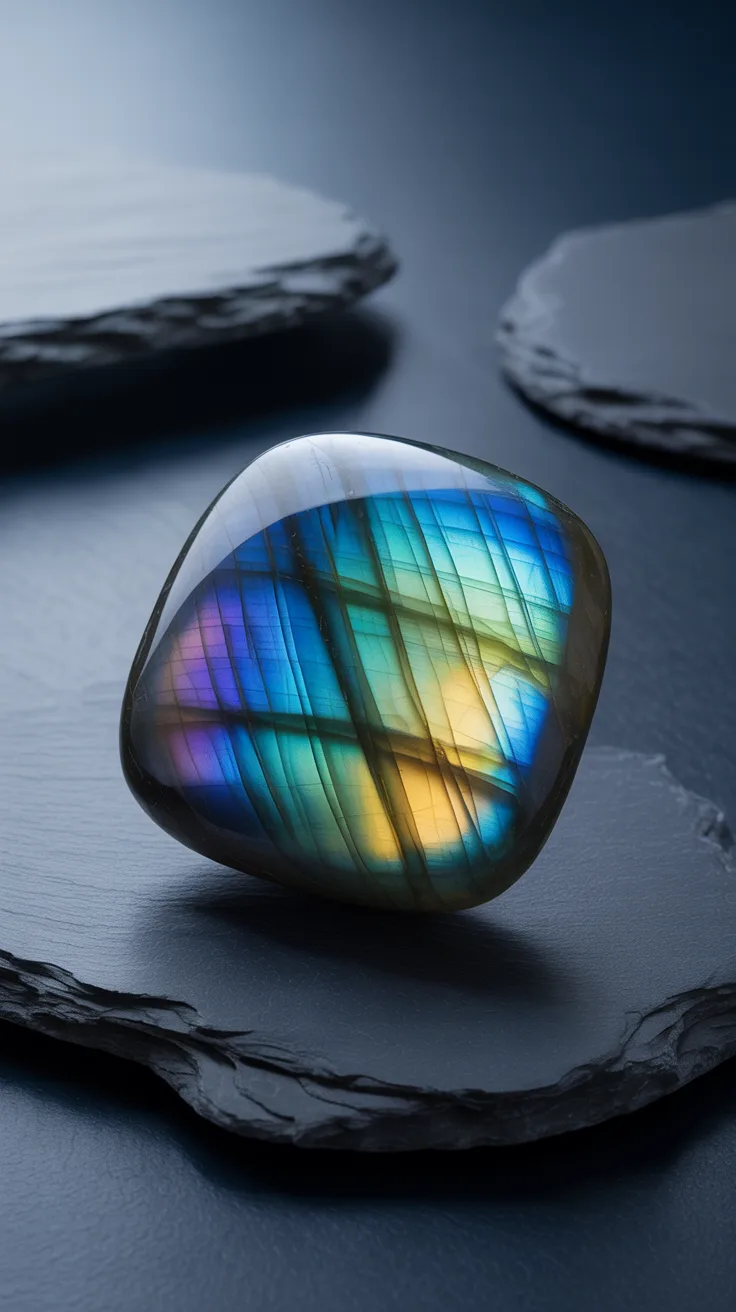
Labradorite is adored for its entrancing labradorescence—bold flashes of blue, green, gold, and sometimes purple that seem to float beneath the surface. This optical effect occurs when layers within the mineral scatter and reflect light at different wavelengths.
High-quality labradorite with strong, broad color flashes is particularly prized, especially in jewelry and carvings.
8. Fire Agate: Nature’s Hologram
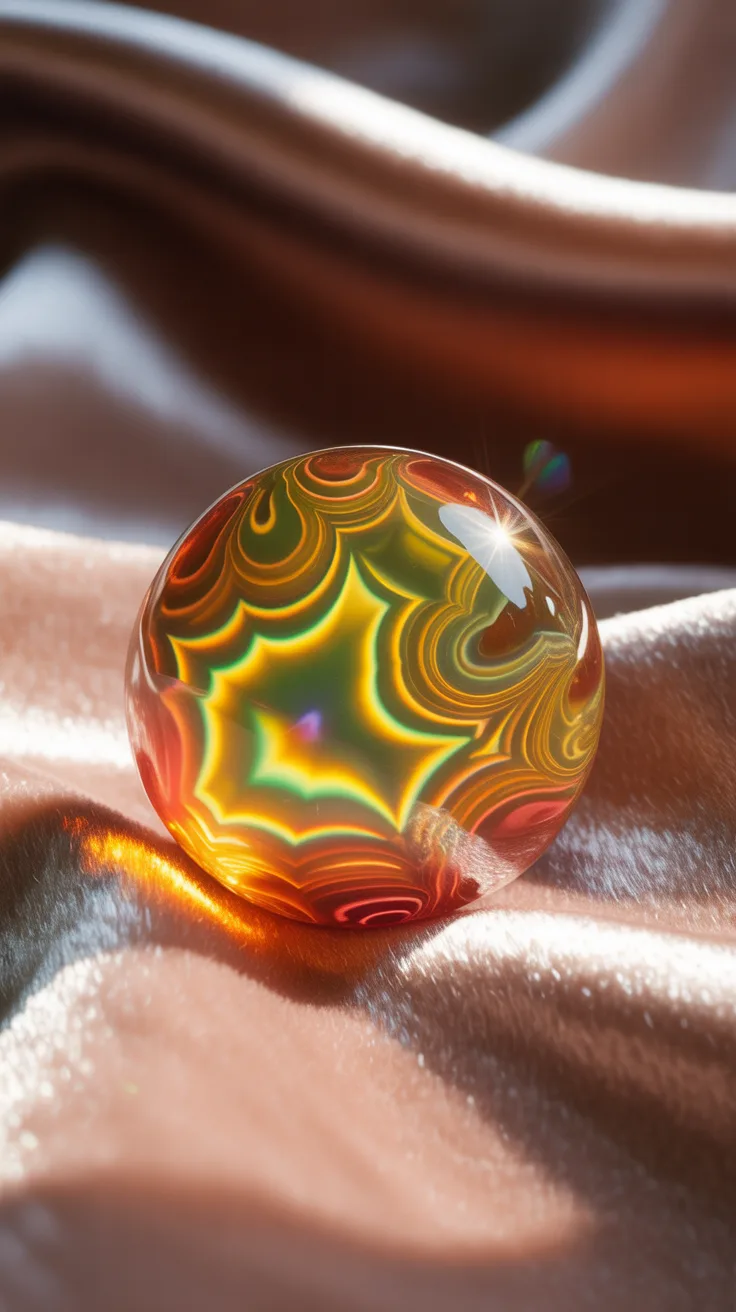
Fire agate is a truly unique gemstone whose shimmering, holographic appearance comes from alternating layers of chalcedony and iron oxide. These layers create rippling patterns of gold, green, orange, and red that seem to move within the stone as it shifts in the light.
Collectors love fire agate for its durability and its otherworldly “living fire” effect, unlike any other gemstone.
9. Ametrine: The Two-Toned Beauty
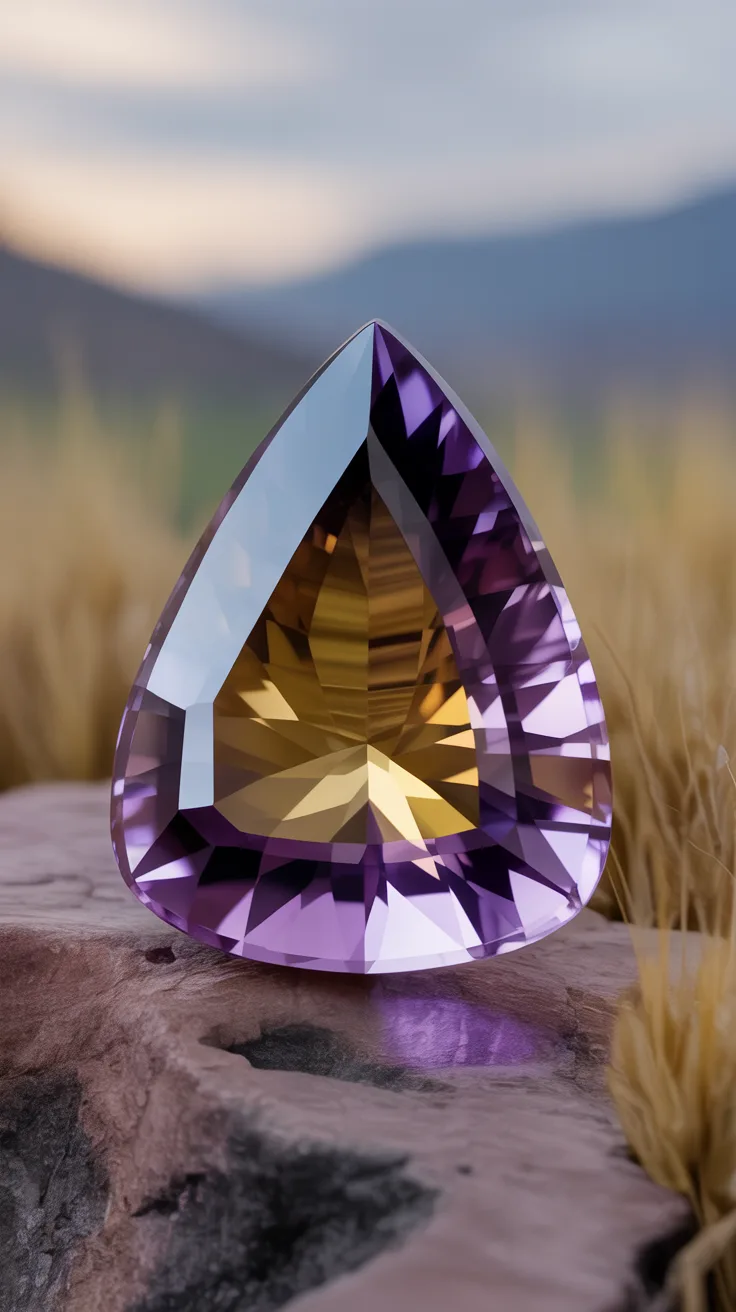
Ametrine naturally blends the royal purple of amethyst with the sunny yellow of citrine in a single quartz crystal. This two-tone effect forms only when distinct temperature conditions affect different areas of the crystal during its formation.
Most natural ametrine historically came from Bolivia, and stones with a clean, sharp color boundary are especially desirable for custom gemstone cuts.
10. Rainbow Moonstone: The Celestial Spectrum
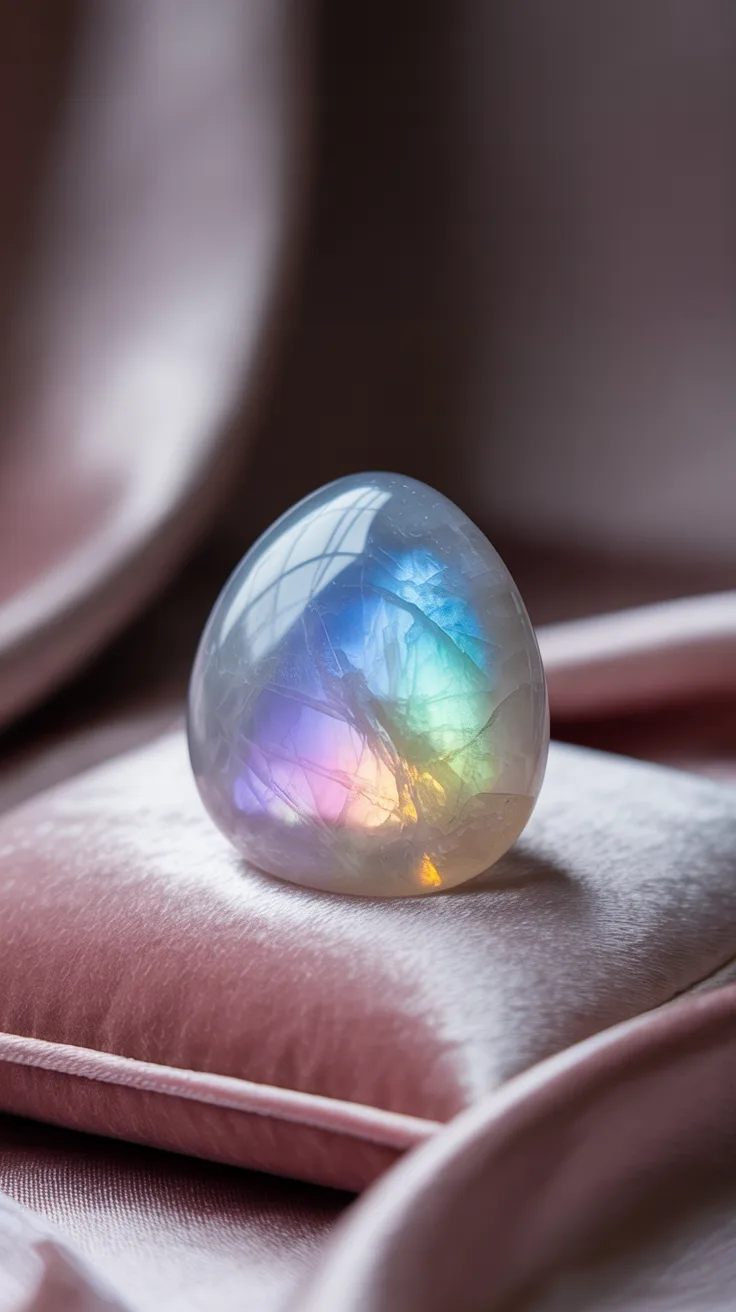
Despite its name, rainbow moonstone is actually a type of labradorite that displays adularescence—a soft, glowing sheen that seems to glide across the stone. Although blue is the most common flash, high-grade pieces can reveal additional colors such as pink, gold, or green.
This gem has long been associated with intuition, femininity, and celestial symbolism, making it a popular choice for spiritual jewelry.
Conclusion
Multicolored gemstones offer an inspiring glimpse into the geological artistry of our planet. From fluorite’s precise color zoning to opal’s dancing light and alexandrite’s dramatic color shift, each gem carries its own personality and visual story. Whether you’re beginning a collection, designing custom jewelry, or simply admiring nature’s creativity, these ten gems represent some of Earth’s most captivating multicolored treasures.
Key Takeaways
- Multicolored gemstones develop their hues through complex geological processes, trace elements, or optical effects.
- Lighting—especially natural daylight—plays a major role in assessing color quality.
- Each gemstone has unique care requirements; proper handling preserves both beauty and value.
- Rarity, durability, and color quality significantly influence a stone’s value.
Frequently Asked Questions
How do multicolored gemstones get their various colors?
Colors in gemstones may result from trace elements, changes during crystal growth, or optical effects such as diffraction and interference.
Are all multicolored gemstones natural?
Most are natural, but some—like mystic topaz—are enhanced to create their rainbow-like appearance.
How should I care for multicolored gemstones?
Avoid harsh chemicals, extreme temperature changes, and ultrasonic cleaners. Use mild soap, water, and a soft brush for general cleaning.
Which multicolored gemstone is the most valuable?
Fine alexandrite is often among the most valuable due to its dramatic color change and rarity, though exceptional opals and rare tourmalines can also command high prices.
Can multicolored gemstones fade over time?
Some gemstones—especially certain opals and treated stones—can be sensitive to strong or prolonged light exposure. Proper storage helps preserve color.
Where are multicolored gemstones typically found?
Major sources include Australia (opals), Brazil (tourmaline), Madagascar (various species), and Canada (ammolite), though deposits vary by gem type.
How can I tell if a multicolored gemstone is genuine?
Authentication often requires gemological tools and expertise. Purchasing from reputable dealers is essential, especially for high-value stones.
What makes some multicolored gemstones more expensive than others?
Rarity, size, durability, color intensity, and market demand all influence pricing.
Can multicolored gemstones be worn daily?
Harder stones like tourmaline and sapphire tolerate daily wear, while softer or more delicate stones, such as opal, require gentler handling.
How should I store my multicolored gemstones?
Store stones separately in padded containers, keep them away from direct sunlight, and maintain stable temperature and humidity.
