

Introduction
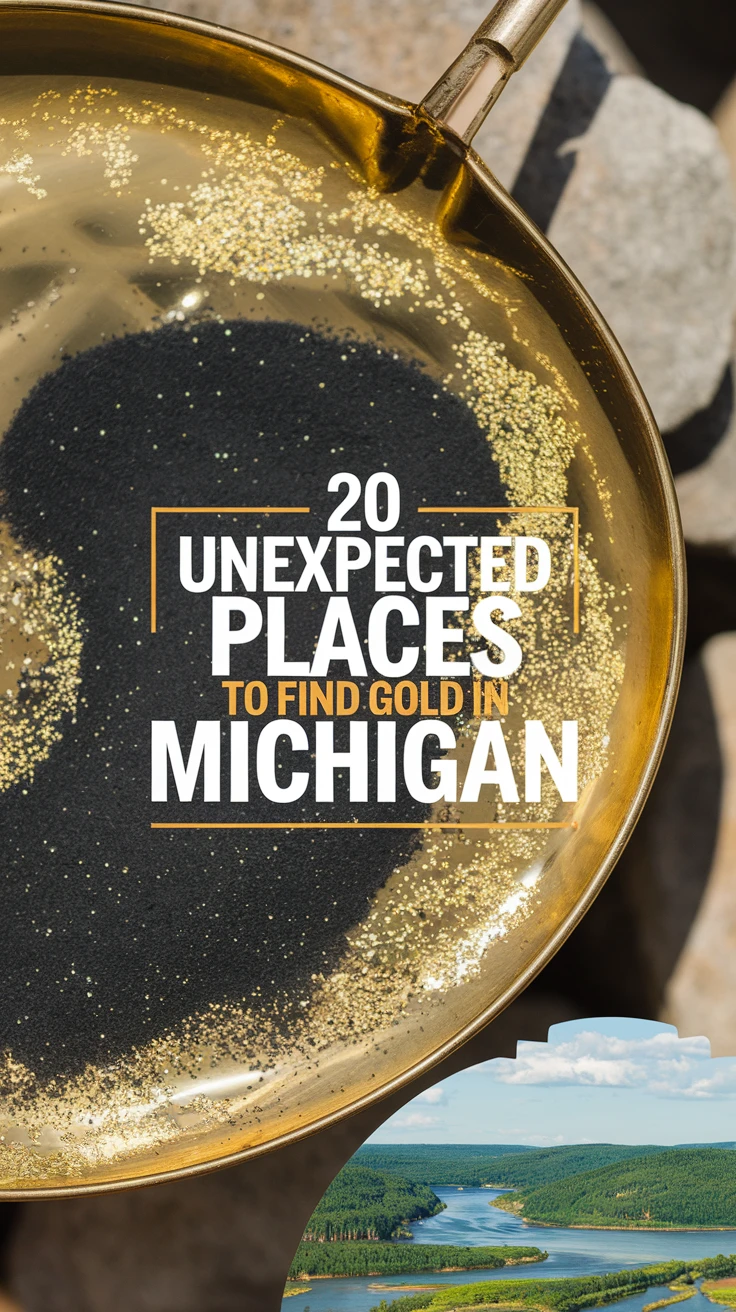
When most people think of gold panning, their minds drift to California’s historic Gold Rush or the rugged streams of Alaska. However, hidden within Michigan’s diverse landscape lies a surprisingly rich playground for prospecting enthusiasts. From the crystal-clear waters of the Upper Peninsula to the winding rivers of the Lower Peninsula, there are plenty of places where you can swirl a pan and see a flash of color. While you may not strike it rich, the thrill of finding even a few tiny flakes makes the adventure worthwhile. If you’re just getting started, a simple beginner gold panning kit will give you everything you need to start exploring Michigan’s streams with confidence.
Understanding Michigan’s Gold History
Michigan’s gold-bearing history dates back to the late 1800s when the first documented gold discoveries were made. While the state never experienced a full-scale gold rush, it has consistently yielded small but meaningful amounts of placer gold, particularly in glacial deposits and ancient river systems. Most of what you’ll find today is fine “flour” gold, but careful prospectors do occasionally uncover small pickers and nuggets.
Historical Gold Production
| Time Period | Major Discoveries | Location |
|---|---|---|
| 1880s | First documented find | Marquette County |
| 1890s | Ropes Gold Mine | Ishpeming |
| 1920s | Peninsula mining boom | Upper Peninsula |
| Present day | Recreational panning | Statewide |
Pro Tip: Michigan’s gold is often associated with black sand and glacial gravels. A basic classifier screen set will help you quickly separate larger rocks so you can focus on the fine material where gold likes to hide.
Upper Peninsula Gold Hotspots (Locations 1–10)
The Upper Peninsula (U.P.) is Michigan’s best-known region for gold. Most deposits here are glacially transported, which means gold can show up in surprising places—but rivers, creeks, and areas near historic workings still offer your best odds.
1. Ropes Gold Mine Area
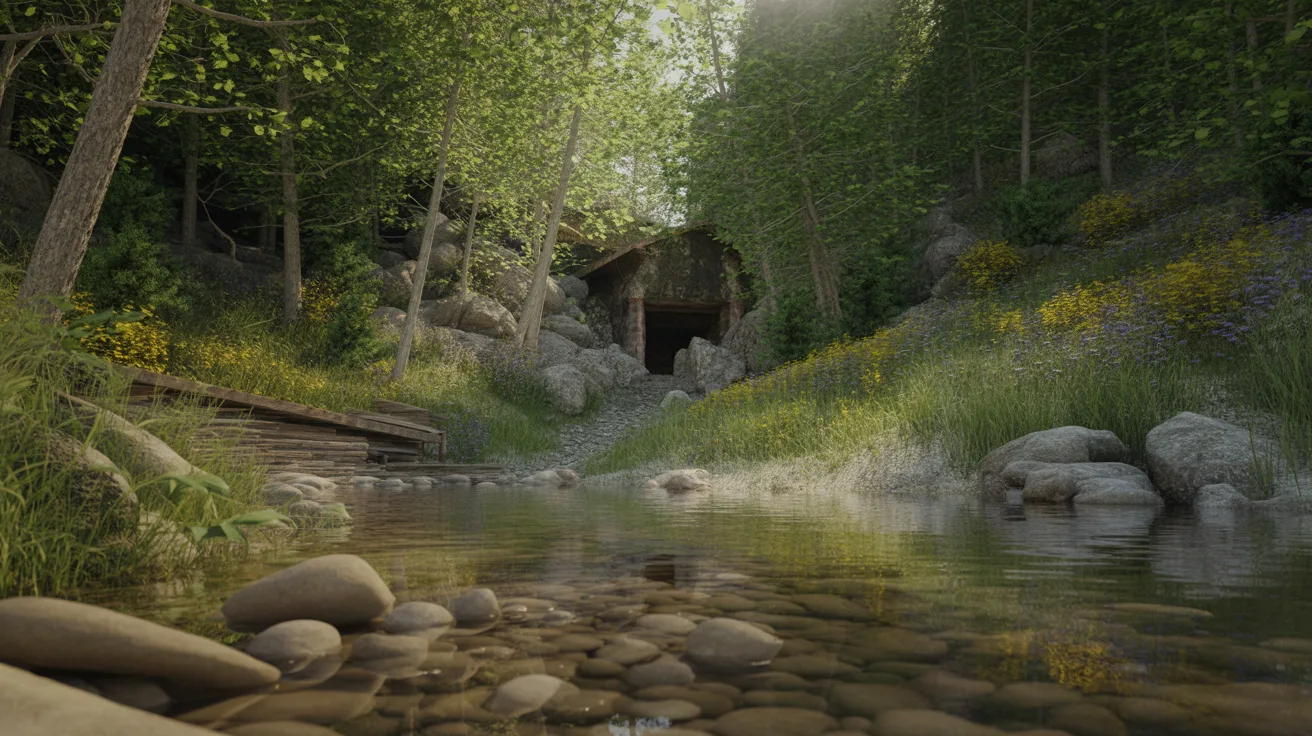
Located near Ishpeming, this historic site offers promising prospects in nearby streams and drainages. The abandoned mine area contains gold-bearing quartz veins, making the surrounding waterways prime locations for placer gold. Work the gravels just above and below natural choke points like boulders, bedrock ledges, and tight bends.

View on AmazonAs an Amazon Associate, I earn from qualifying purchases.
View on AmazonAs an Amazon Associate, I earn from qualifying purchases.
2. Dead River Basin
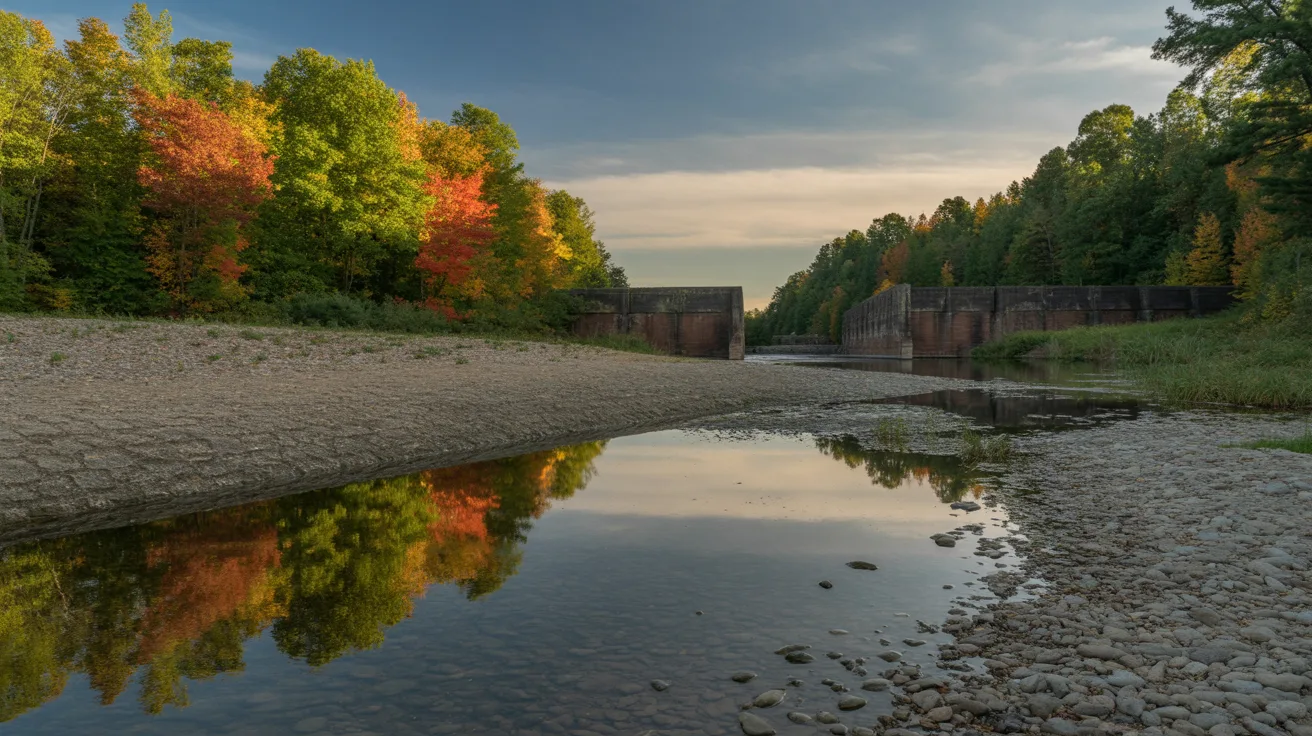
This extensive watershed near Marquette has yielded numerous small gold finds. Focus on areas below old dam structures, culverts, and narrowing channels where heavy minerals naturally settle. The combination of man-made barriers and natural bends creates multiple “trap” zones for gold.
3. Silver Lake Basin
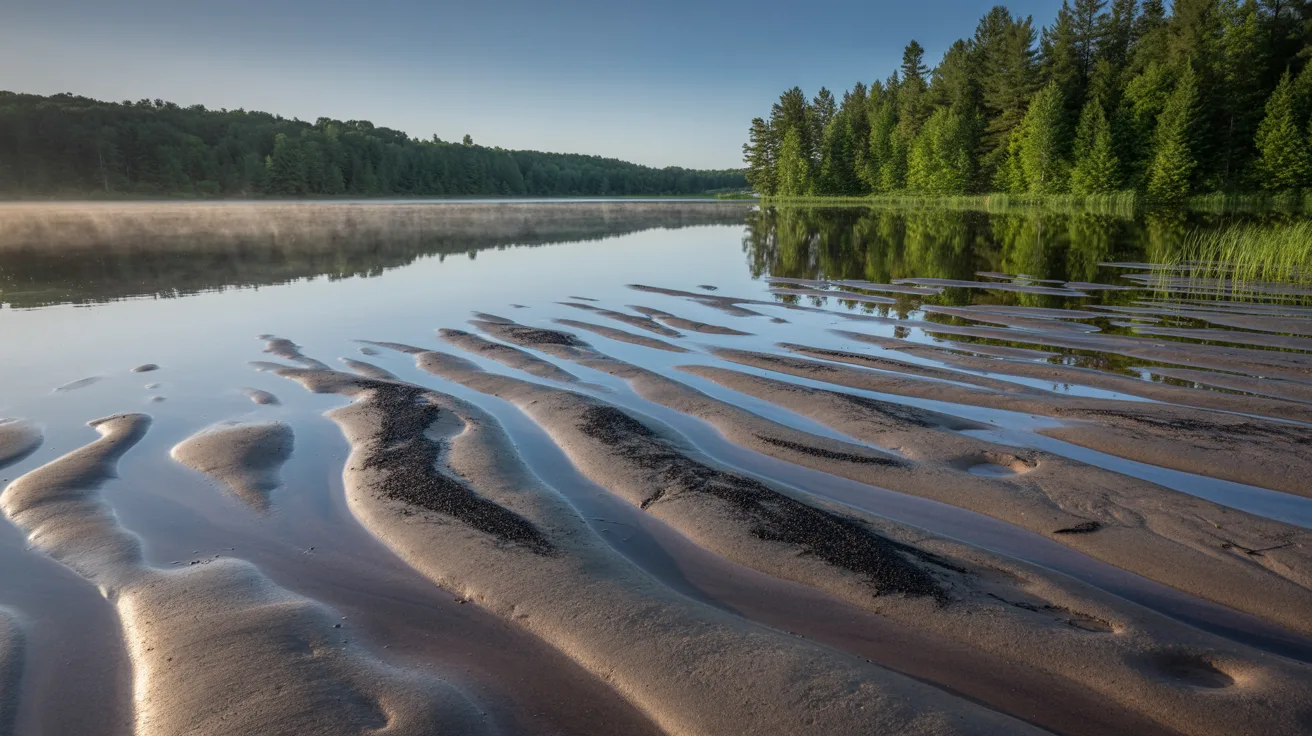
Despite its name, this location near Marquette has produced both silver and gold. Look for dark streaks of black sand in shallow bars and along inside bends. Those heavy, dark patches are often the easiest visual clue that you’re in the right kind of material.
4. Menominee River
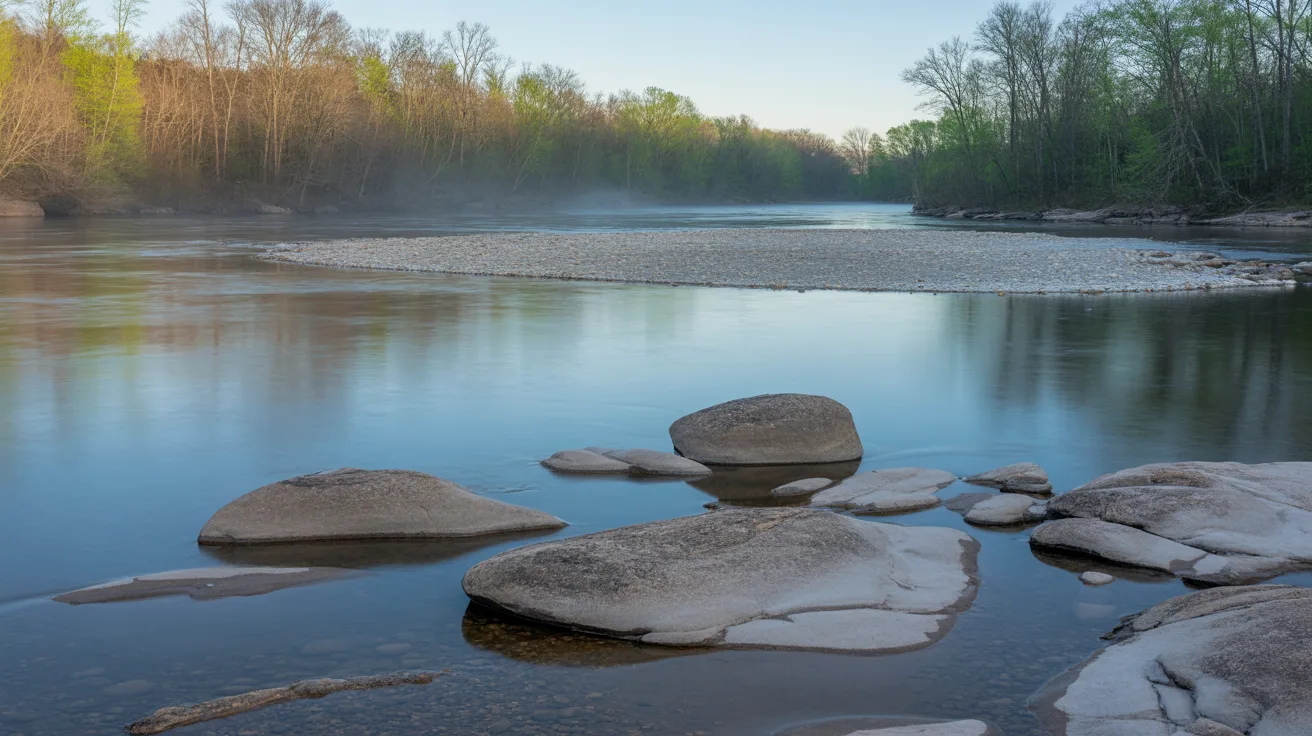
The Menominee’s bends, rapids, and gravely bars create excellent natural gold traps. Best results are often found after spring thaws when fresh material has been washed into slower inside curves, behind boulders, and into cracks along bedrock.

View on AmazonAs an Amazon Associate, I earn from qualifying purchases.

View on AmazonAs an Amazon Associate, I earn from qualifying purchases.
5. Tahquamenon River
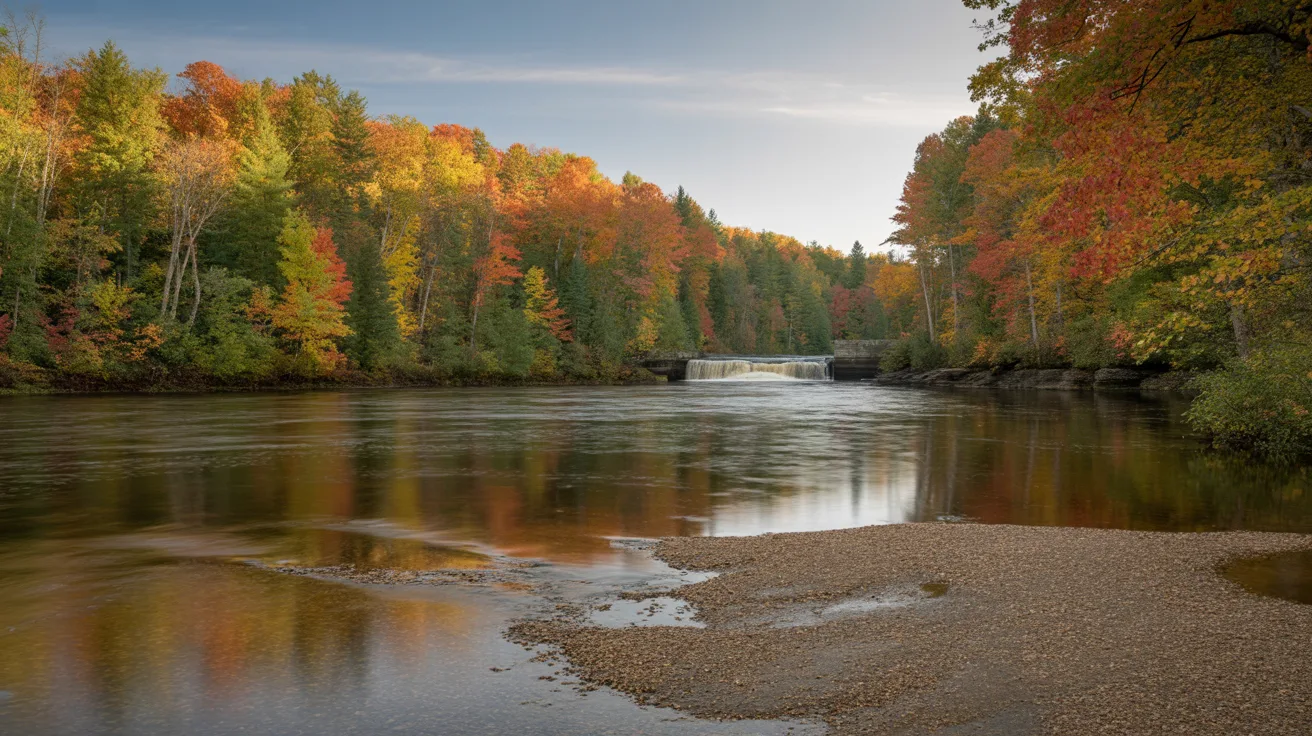
While famous for its spectacular waterfalls, the upper reaches of the Tahquamenon River contain glacial deposits where fine gold can be found. Target quieter side channels, back eddies, and gravel bars just downstream from constrictions and drop-offs.
6. Carp River
Located in Marquette County, the Carp River rewards patient prospectors who focus on spots where the water slows and creates natural settling pools. Dig down through the lighter gravels until you reach heavier, compacted layers or bedrock.
7. Yellow Dog River
This remote river requires some hiking, but that extra effort means less pressure from other prospectors. You’ll find promising gravels along inside bends and in narrow channels where the river squeezes through rockier sections.
8. Sturgeon River
Gold has been found in both the main channel and tributaries. Look for exposed bedrock, broken ledges, and cracks that act like natural riffles. These features are perfect places to run a few test pans.
9. Paint River
The Paint River’s meandering course through Iron County creates numerous locations where heavier material settles out. Walk the banks and look for gravel bars with a mix of coarse rock, black sand, and tightly packed layers.
10. Chocolay River
Prospect the sections near ancient glacial moraines for better chances of success. Any area where the river cuts into older deposits or changes gradient quickly can be worth sampling.
Pro Tip: The U.P. can be rocky, wet, and chilly even in summer. A compact kit with a pan, classifier, and snuffer bottle is usually enough for exploring. If you want an all-in-one setup, check out a complete gold panning kit that packs easily into a backpack for long walks along rivers and creeks.
Lower Peninsula Hidden Treasures (Locations 11–20)
The Lower Peninsula doesn’t have the same concentration of historic gold mines as the U.P., but glacial activity spread fine gold across many river systems. Here, it’s all about patience, technique, and working the right types of deposits.
Essential Equipment for Michigan Waters
| Location Type | Required Equipment | Optional Tools |
|---|---|---|
| Rivers | Pan, classifier, shovel | Sluice box |
| Creeks | Hand pan, trowel | Snuffer bottle |
| Glacial deposits | Shovel, screen | Metal detector |
| Beach areas | Fine-screen pan | Beach scoop |
Pro Tip: Michigan’s fine gold can be tricky to catch. A small sluice or cleanup tool designed for microscopic flakes can make a huge difference. Browse fine gold recovery sluices if you’re serious about working Michigan’s flour gold.
11. Grand River Gravel Bars

The Grand River can be particularly promising after high-water events. Focus on inside bends where water slows and gold naturally settles, as well as behind larger rocks and log jams that act as natural barriers.

View on AmazonAs an Amazon Associate, I earn from qualifying purchases.

View on AmazonAs an Amazon Associate, I earn from qualifying purchases.
12. Muskegon River System
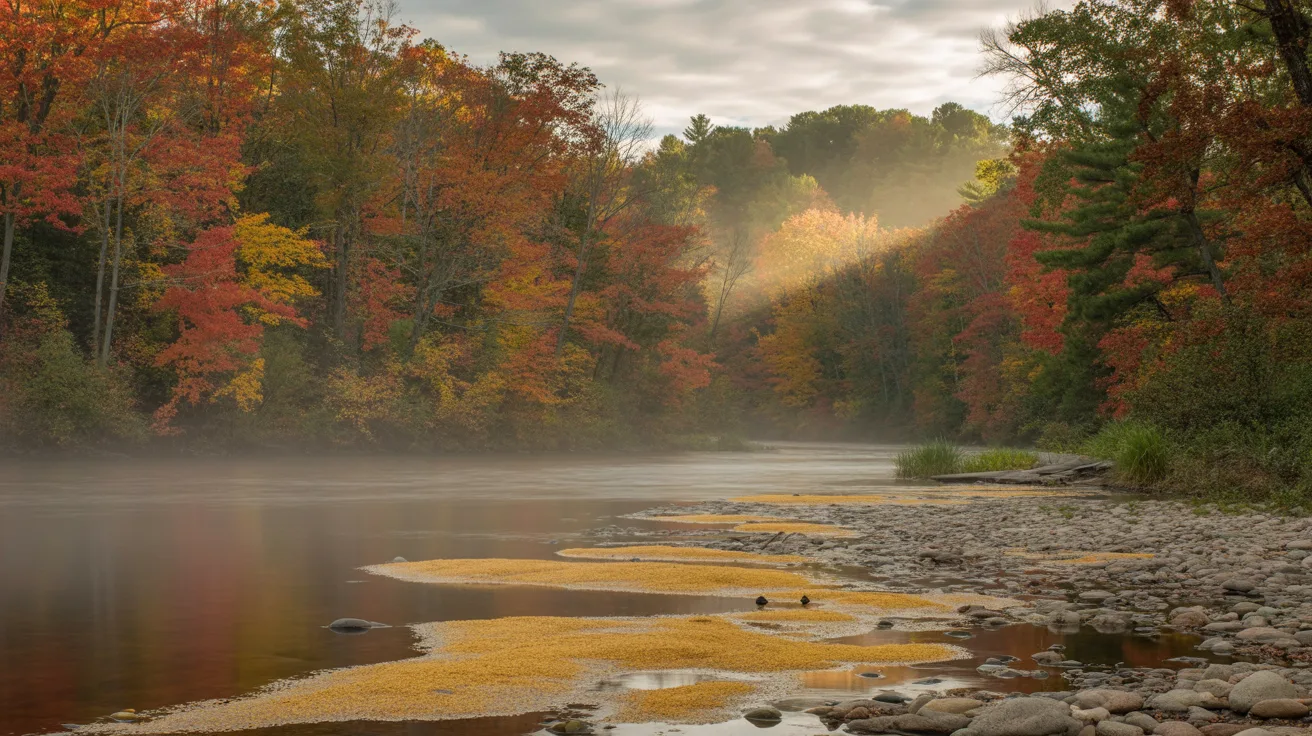
Check areas downstream from old glacial moraines and where tributaries join the main river. Gold-bearing material has been moved and reworked over millennia, so test pan across different bars and depths until you find consistent color.
13. Au Sable River Banks
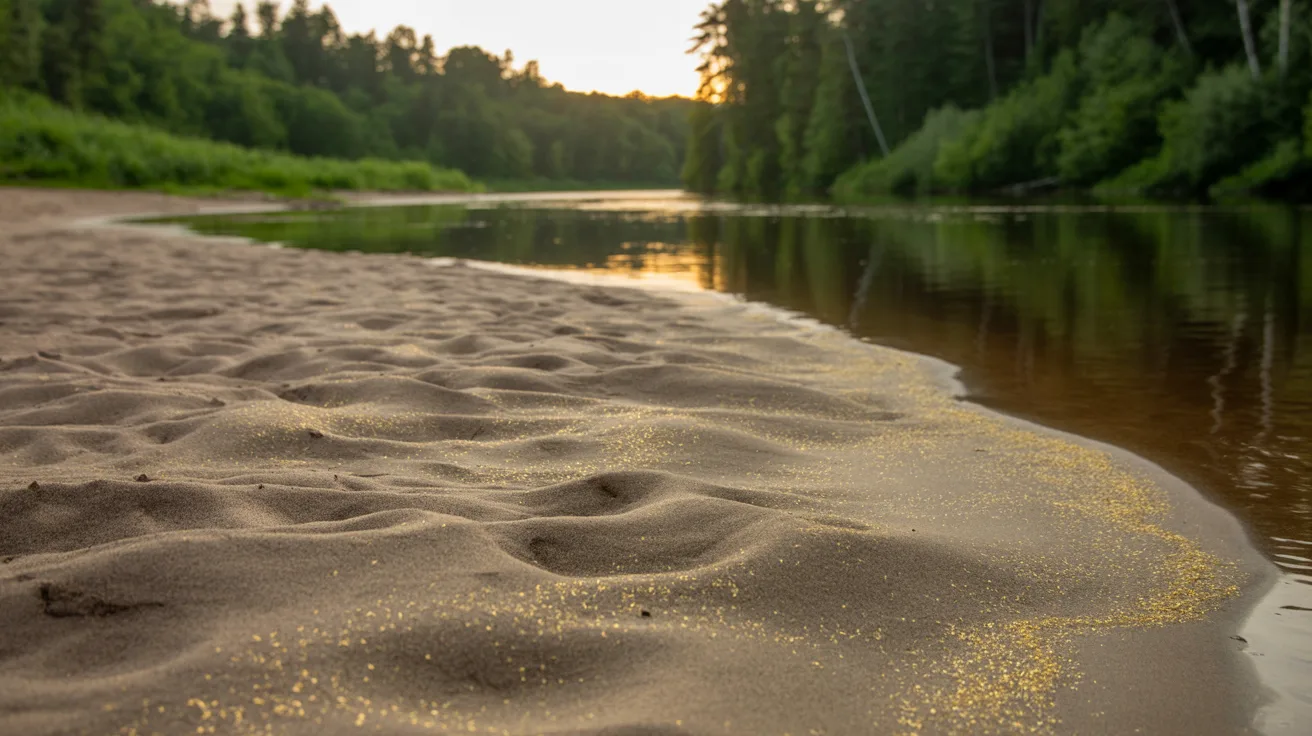
The name “Au Sable” means “of sand” in French, and its sandy banks occasionally hide fine gold in heavier layers below. Scrape off the lighter upper sand and work the compact, darker material underneath.
14. Manistee River Deposits
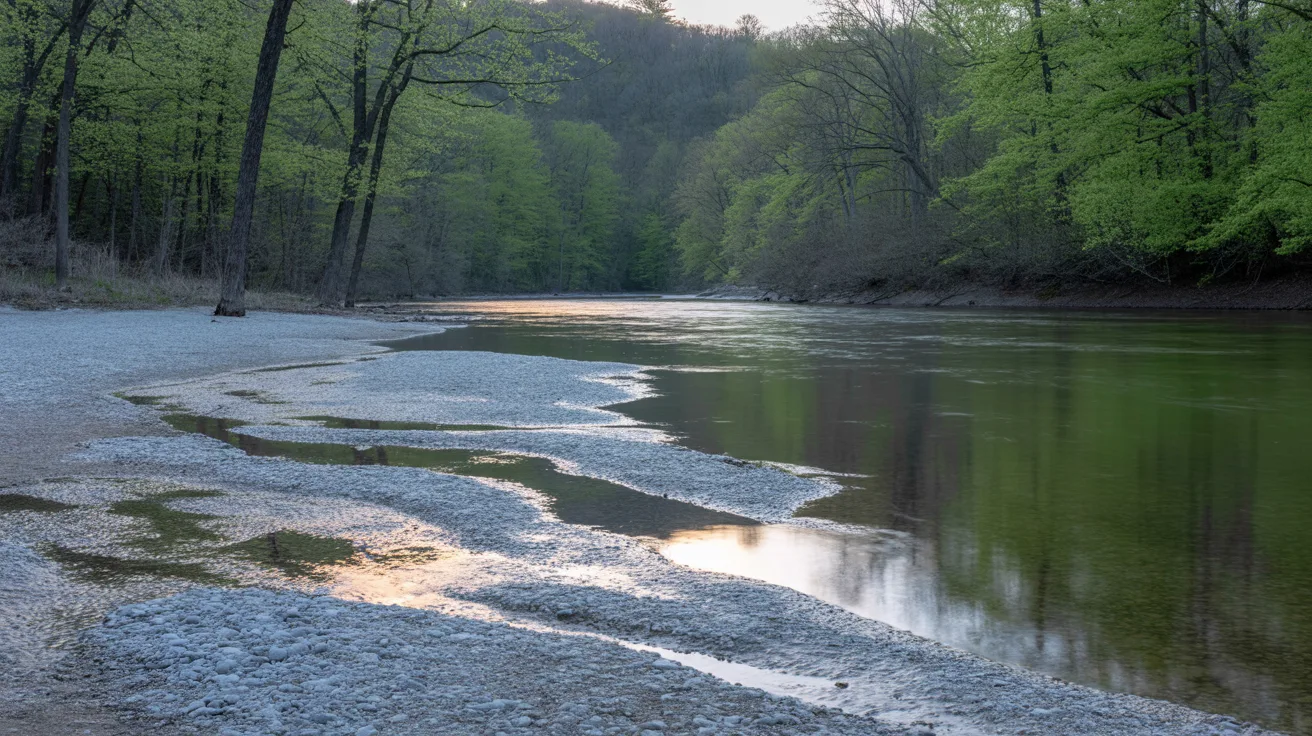
Focus on areas where the river cuts through glacial deposits or changes speed abruptly. After spring thaws, fresh gravels are often exposed along bends, benches, and point bars.
15. Black River Gold Zones
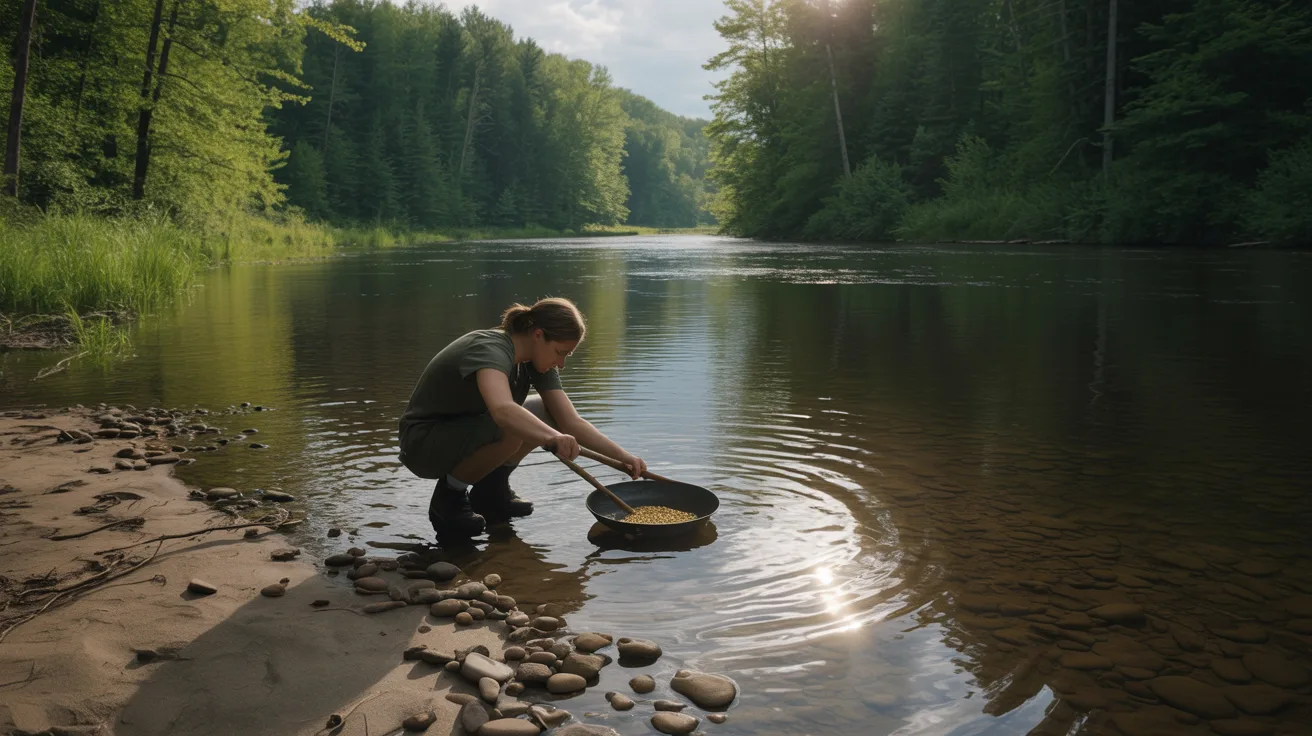
While less known than other rivers, the Black River has produced consistent, though small, gold findings. Patient panning along gravely inside bends and at the heads of bars can slowly add up.
16. Pere Marquette River
Check gravel bars and inside bends, particularly after seasonal flooding has moved and sorted material. Use your pan to sample multiple spots before committing to one pay streak.
17. Thunder Bay River
Look for areas where the river slows down and creates natural settling pools—back eddies, side channels, and the downstream side of obstructions. These calmer pockets allow heavy gold particles to drop out.
18. Flat River Prospects
Historical mining and exploration in the Flat River area suggest potential for recreational prospectors. Focus on older gravel bars, cut banks, and the inside of sweeping bends where heavier material accumulates.
19. Looking Glass River
Small but steady findings have been reported in specific bends of the Looking Glass. Like many Lower Peninsula locations, success comes down to methodically sampling until you locate a stretch with consistent specks of gold.
20. Red Cedar River
University studies have confirmed the presence of placer gold in select locations along the Red Cedar. Concentrate on deeper gravels, current breaks, and areas where the river drops in elevation or narrows.
Pro Tip: Michigan’s water can stay cold even in warm months. A pair of waterproof boots or waders and a set of snuffer bottles and gold vials will keep you comfortable and make it easy to save every tiny flake you recover.
Essential Tips and Legal Considerations
Seasonal Prospecting Guide
Spring: Best after thaws expose new material and raise water levels just enough to move gravels without making conditions dangerous.
Summer: Ideal for shallow-water prospecting and exploring more remote spots when access is easier.
Fall: Lower water levels reveal new bars, bedrock, and hidden pockets that were submerged during spring and summer.
Winter: In many areas, focus on research, gear prep, and sampling glacial gravels where ground conditions allow.
Legal Requirements
Always check current regulations before you prospect. In general, you should:
- Obtain any required permits from the Michigan Department of Natural Resources (DNR).
- Respect private property boundaries and posted signs.
- Follow all environmental regulations, including rules about digging and streambed disturbance.
- Report significant finds if required by local authorities.
Safety Considerations
- Never prospect alone in remote areas—go with a partner when possible.
- Carry basic first aid supplies and know your route in and out.
- Check weather conditions and watch for rising water levels.
- Bring adequate water, food, and clothing suitable for changing conditions.
Conclusion
While Michigan may not rival the famous gold fields of the western United States, its diverse geological history has created numerous opportunities for recreational prospectors. Success in Michigan gold panning requires patience, proper technique, and a willingness to test multiple spots until you find a pay streak. Whether you’re a seasoned prospector or just starting out, these 20 locations offer exciting possibilities for finding gold in the Great Lakes State. Remember to always follow local regulations, respect private property, and practice “leave no trace” principles while you explore Michigan’s rivers and streams.
If you’re ready to get started but still building your kit, consider picking up a simple gold panning starter kit so you can head straight from your driveway tests to Michigan’s creeks with confidence.
Key Takeaways
- Michigan’s gold deposits are primarily found in glacial deposits and ancient river systems.
- The Upper Peninsula generally offers better prospects than the Lower Peninsula, but both hold potential.
- Proper equipment and careful technique are crucial for catching fine “flour” gold.
- Always obtain necessary permits, verify land ownership, and follow local regulations before prospecting.
- Best results often come after spring thaws or significant rainfall events that move and sort fresh material.
Frequently Asked Questions
Do I need a permit to pan for gold in Michigan?
In many cases, you’ll need at least a recreational mining or land-use permit from the Michigan Department of Natural Resources, especially on state-managed lands. Always check current DNR rules for your specific location.
What’s the best time of year to pan for gold in Michigan?
Late spring through early fall offers the best conditions, with spring being particularly productive after the thaw. Lower water in late summer and fall can also expose new gravels and bedrock.
What basic equipment do I need to start gold panning in Michigan?
Essential equipment includes a gold pan, classifier, shovel, and snuffer bottle. Rubber boots or waders and weather-appropriate clothing are also important. Combo sets that include pans, classifiers, and snuffer bottles are easy to find when you search for a gold panning kit.
Can I keep the gold I find?
Yes, recreational prospectors can generally keep the gold they find, as long as they’re prospecting legally. Commercial-scale operations require additional permits and licenses.
How much gold can I expect to find?
Most finds in Michigan are small flakes and occasional tiny pickers. Expect results measured in grains rather than ounces. Consistency and technique are more important than any single “big score.”
Are there any restricted areas for gold panning?
Yes, some state parks, protected areas, and private properties are off-limits or have special restrictions. Always verify land ownership and access rights before you start digging.
What’s the largest gold nugget ever found in Michigan?
The largest documented gold nugget found in Michigan weighed approximately 1.07 ounces and was discovered in the Upper Peninsula. Most modern finds are much smaller but still exciting to uncover.
Can I use a metal detector for gold prospecting?
Yes, metal detecting is allowed in many areas, but permits or special permissions may be required, and some locations restrict detecting activities. Always check local rules before swinging a detector.
What geological indicators suggest the presence of gold?
Look for black sand, quartz-rich gravels, and areas where water flow naturally slows and deposits heavy material. Bedrock cracks, inside bends, and the downstream side of boulders are classic gold traps.
How deep should I dig when panning?
In many productive areas, the most promising material is found in the top 1–3 feet of gravels, especially near bedrock. Work down through loose material until you reach compact layers or rock, which often hold concentrated heavies.
