Introduction to Birthstones
Have you ever wondered why certain gemstones are associated with specific months? As someone who’s been fascinated by gemstones for years, I’ve discovered that birthstones are more than just pretty accessories—they’re steeped in history and meaning.
Birthstones have captivated human interest for centuries. Each month is traditionally associated with a particular gemstone, believed to bring good fortune, protection, and unique qualities to those born in that month. The tradition dates back to biblical times, with connections to the twelve stones in Aaron’s breastplate, though the modern list we know today was standardized by the American National Association of Jewelers in 1912.
I remember receiving my first birthstone jewelry piece—a small garnet pendant—from my grandmother on my 16th birthday. She told me it would protect me and give me strength during difficult times. Whether you believe in their mystical properties or simply appreciate their beauty, birthstone colors offer a personal connection to jewelry that’s hard to match.
January: Garnet
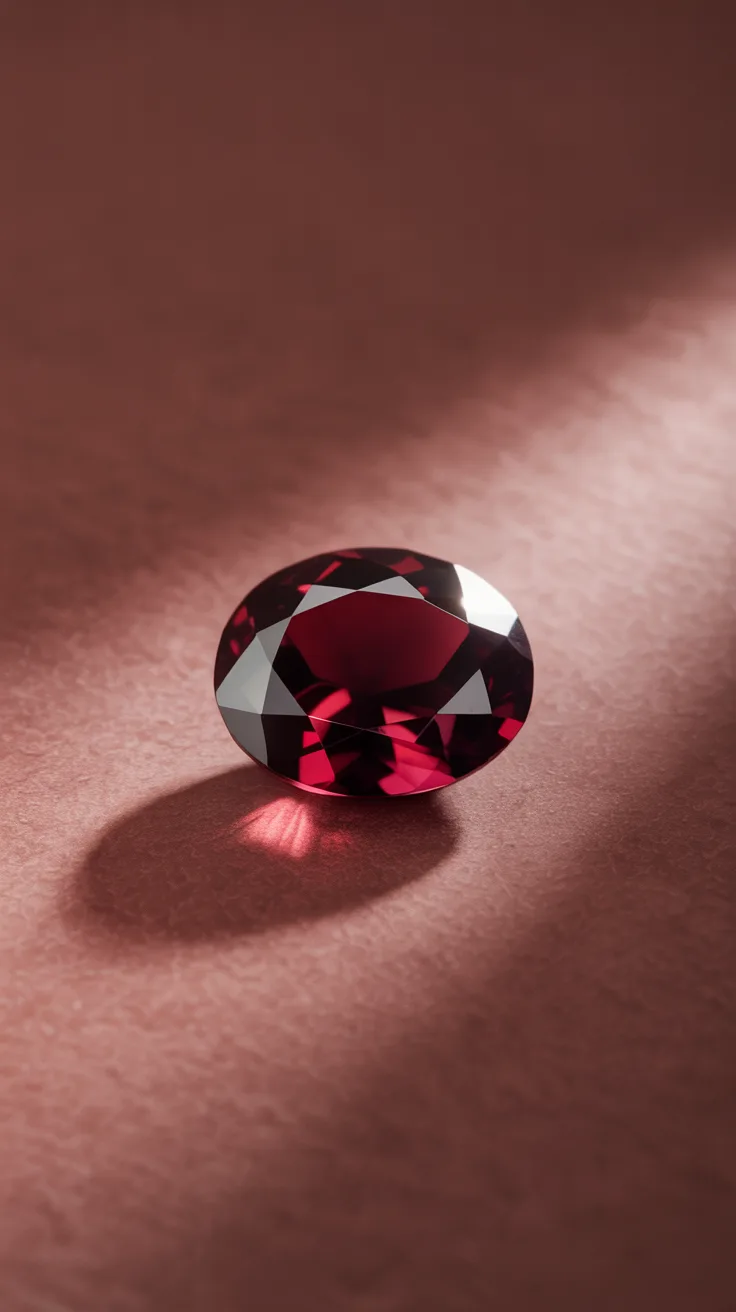
January’s birthstone is the rich, deep red garnet. Though most people picture garnets as red, I was surprised to learn they actually come in almost every color—even green! The name “garnet” comes from the Latin word “granatum,” meaning “seed,” because the stones resembled pomegranate seeds.
- Color: Deep crimson red (though varieties exist in other colors)
- Symbolism: Protection, strength, and vitality
- Historical significance: Used as a protective talisman by warriors and travelers
- Emotional benefits: Believed to inspire commitment, hope, and faith
Pro Tip: When shopping for garnets, look for stones with excellent clarity—they typically have fewer inclusions than many other gemstones, making even affordable pieces look spectacular.
February: Amethyst
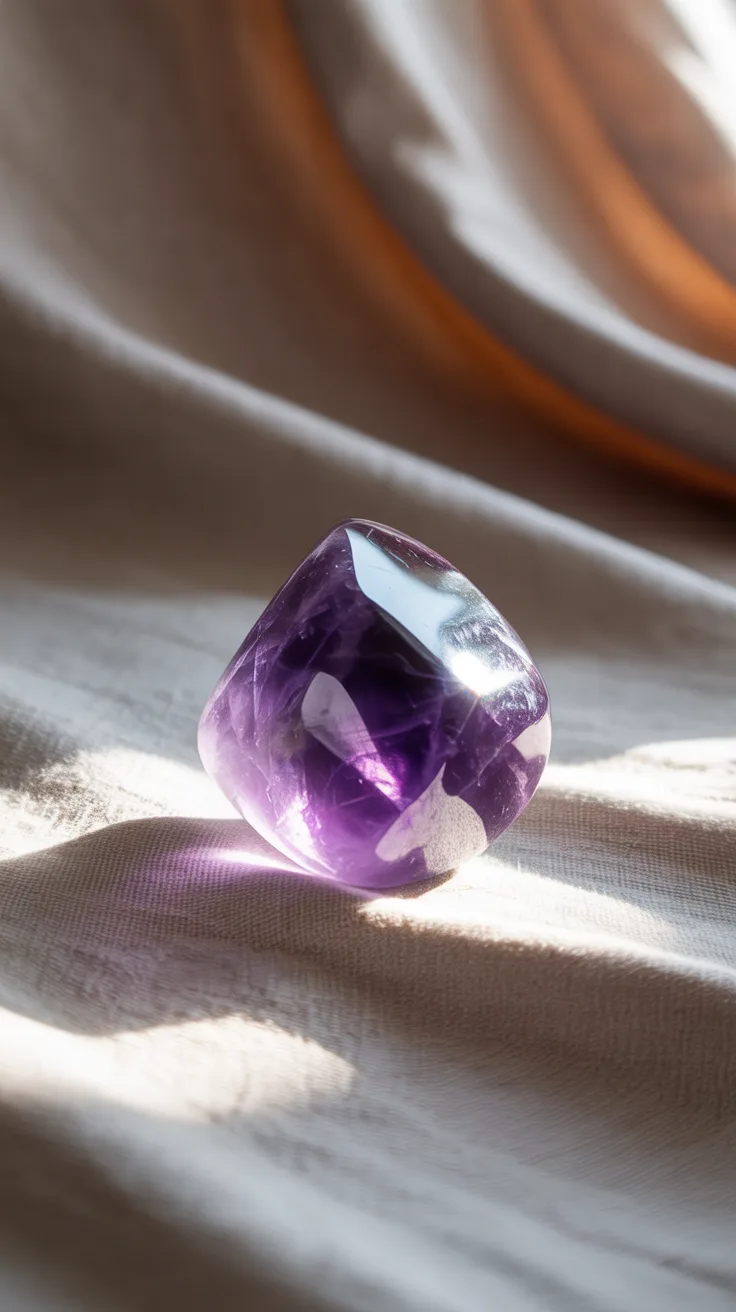
The stunning purple amethyst is February’s birthstone. Once considered more valuable than diamonds, amethysts became more accessible after large deposits were discovered in Brazil in the 19th century.
- Color: Ranges from pale lilac to deep purple
- Symbolism: Peace, clarity, and spiritual wisdom
- Historical significance: Ancient Greeks believed it prevented intoxication
- Emotional benefits: Said to promote calm and balance
I’ve gifted amethyst jewelry to several friends going through challenging times. One friend placed a small amethyst stone on her desk during a particularly stressful work period and swore it helped her maintain her composure during difficult meetings.
March: Aquamarine
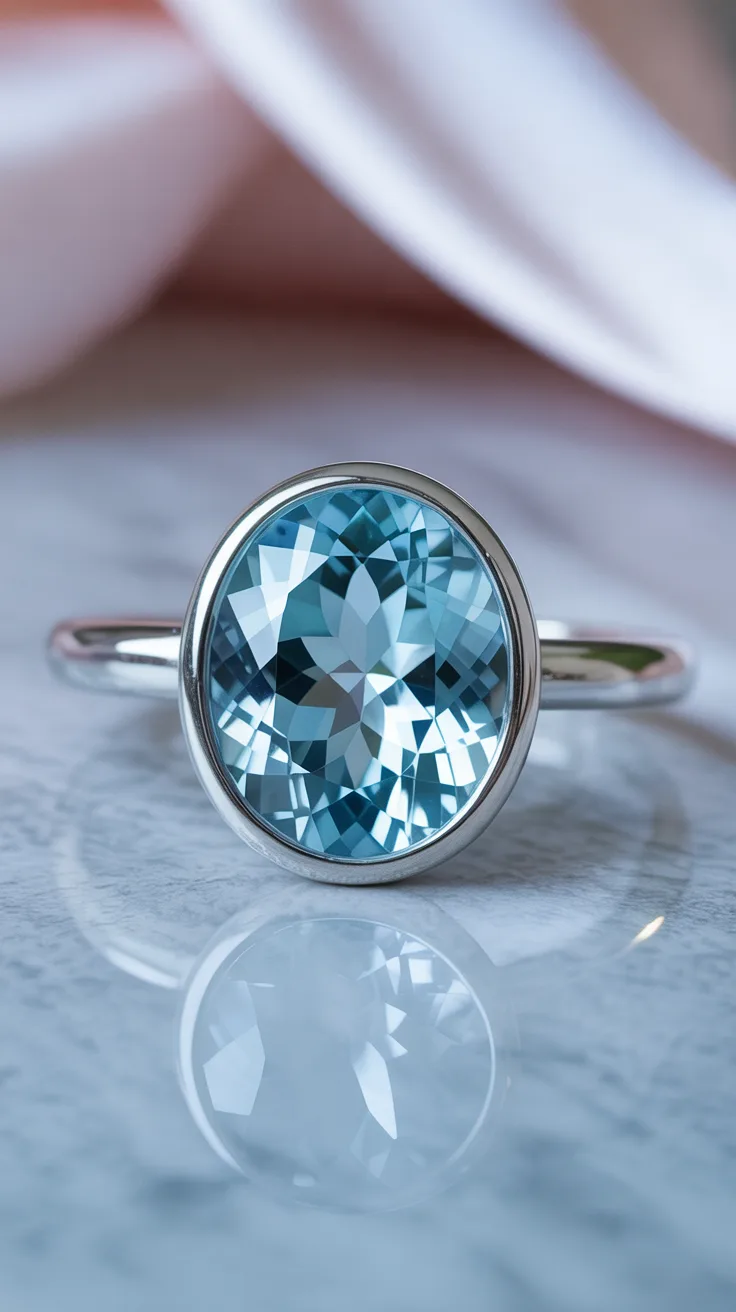
March’s birthstone, aquamarine, reminds me of clear ocean waters. Its name literally means “water of the sea,” and its tranquil blue color perfectly captures that essence.
- Color: Pale to medium blue
- Symbolism: Courage, honesty, and clarity
- Historical significance: Sailors carried it as protection at sea
- Emotional benefits: Thought to soothe fears and increase tolerance
Pro Tip: Aquamarines look stunning in white gold or platinum settings that enhance their cool blue tones. I made the mistake of setting mine in yellow gold initially, which slightly diminished its natural beauty.
April: Diamond
April babies hit the jackpot with diamond as their birthstone. As the hardest natural substance on Earth, diamonds symbolize endurance and everlasting love.
- Color: Typically colorless, though naturally colored diamonds exist
- Symbolism: Eternal love, strength, and clarity
- Historical significance: Worn by royalty for centuries as symbols of power
- Emotional benefits: Believed to provide clarity of thought and purpose
When helping my sister shop for her own April birthstone jewelry, we discovered that small, high-quality diamonds can be more beautiful than larger stones with poor cut or clarity. Quality truly matters more than size with this particular birthstone.
May: Emerald
The lush green emerald represents May. As a gemstone collector, I find emeralds particularly fascinating because they almost always contain inclusions—what gemologists poetically call their “jardin” (garden).
- Color: Rich green with blue or yellow undertones
- Symbolism: Rebirth, fertility, and wisdom
- Historical significance: Cleopatra was famously obsessed with emeralds
- Emotional benefits: Said to promote loyalty and enhance relationships
Pro Tip: Emeralds require special care due to their relative softness and inclusions. I learned this the hard way after accidentally chipping my emerald ring by knocking it against a countertop.
June: Pearl
June is unique with its organic birthstone—the elegant pearl. Unlike other gemstones formed in the earth, pearls grow within living creatures.
- Color: White, cream, and various pastels
- Symbolism: Purity, integrity, and wisdom
- Historical significance: Considered the “queen of gems” for centuries
- Emotional benefits: Thought to promote faith, loyalty, and truth
I’ve found that pearl jewelry requires more maintenance than other birthstones. My grandmother’s pearl necklace taught me the importance of keeping pearls away from perfumes and cosmetics, and storing them separately from harder gemstones.
July: Ruby
The fiery ruby represents July. In Sanskrit, ruby is called “ratnaraj,” meaning “king of precious stones”—a fitting title for this magnificent gem.
- Color: Rich red with slight purple or pink undertones
- Symbolism: Passion, protection, and prosperity
- Historical significance: Ancient warriors implanted rubies under their skin for protection in battle
- Emotional benefits: Believed to stimulate energy and promote courage
Pro Tip: When shopping for rubies, look at them under different lighting conditions. I once purchased a ruby that looked vibrant in the jewelry store but appeared much darker in natural light.
August: Peridot
August’s birthstone, peridot, is one of the few gemstones that comes in only one color—a vibrant lime green. Ancient Egyptians called it the “gem of the sun.”
- Color: Olive to lime green
- Symbolism: Strength, good fortune, and peace
- Historical significance: Found in meteorites and volcanic lava
- Emotional benefits: Said to alleviate jealousy and resentment
I’ve found that peridot looks particularly striking when paired with warm-toned metals like yellow or rose gold that complement its sunny disposition.
September: Sapphire
September’s sapphire is known for its deep blue color, though sapphires actually come in nearly every color except red (which would make them rubies).
- Color: Classic blue, though many colors exist
- Symbolism: Wisdom, loyalty, and nobility
- Historical significance: Medieval clergy wore sapphires to symbolize heaven
- Emotional benefits: Believed to attract prosperity and peace
Pro Tip: Consider non-blue sapphires for a unique twist on this birthstone. My personal favorite is the padparadscha sapphire with its stunning sunset orange-pink color.
October: Opal
October’s opal displays a kaleidoscope of colors that seem to dance as the stone moves. No two opals are exactly alike, making them truly unique.
- Color: Multicolored flashes against various backgrounds
- Symbolism: Creativity, passion, and spontaneity
- Historical significance: Ancient Romans considered opals the most precious of all gems
- Emotional benefits: Thought to enhance imagination and creativity
I’ve learned that opals require special care—they contain water and can crack if they dry out or experience sudden temperature changes. My aunt’s beautiful opal ring cracked after she wore it while washing dishes in hot water.
November: Topaz
November’s birthstone is topaz, traditionally associated with the golden-yellow variety, though blue topaz has become increasingly popular.
- Color: Classic golden yellow, though many colors exist
- Symbolism: Love, affection, and strength
- Historical significance: Ancient Greeks believed it provided strength
- Emotional benefits: Said to bring joy and good fortune
Pro Tip: If you’re looking for an affordable statement piece, blue topaz offers impressive size and clarity for a relatively modest price compared to other blue gemstones like sapphires.
December: Turquoise
December’s turquoise is one of the oldest known gemstones. Its distinctive blue-green color has adorned everything from ancient Egyptian amulets to Native American jewelry.
- Color: Sky blue to greenish-blue
- Symbolism: Protection, wisdom, and tranquility
- Historical significance: Used as protective amulets across many cultures
- Emotional benefits: Believed to promote healing and positive thinking
I’ve found that genuine turquoise requires careful authentication, as many imitations exist. My first “turquoise” bracelet turned out to be dyed howlite—a common substitute that looks similar but lacks turquoise’s unique properties.
Choosing the Right Birthstone
While tradition associates specific birthstone colors with each month, there’s no rule saying you must stick to your assigned gem. I often wear my mother’s amethyst pendant despite being born in October because I love its color and the connection it gives me to her.
When selecting birthstone jewelry, consider these factors:
1. Personal connection: Does the stone’s symbolism resonate with you?
2. Wearability: Some stones (like emerald and opal) are softer and require more careful wear than others (like diamond and sapphire).
3. Color preference: Choose stones whose colors complement your wardrobe and skin tone.
4. Budget: Some birthstones (like diamond) are generally more expensive than others (like amethyst).
Remember that alternative birthstones exist for most months. For example, if you’re born in June but pearls don’t suit your style, you might consider alexandrite or moonstone instead.
Pro Tip: Consider birthstone jewelry as meaningful gifts for loved ones. I’ve found that even friends who don’t typically wear gemstones appreciate the personal touch of receiving their birthstone in a simple, wearable design.
Frequently Asked Questions
What is the origin of birthstones?
The concept of birthstones has roots in biblical times, specifically in the Book of Exodus, which describes the breastplate of Aaron adorned with twelve different gemstones representing the twelve tribes of Israel. Over centuries, these stones became associated with the twelve months and zodiac signs. The modern list of birthstones was standardized by the American National Association of Jewelers in 1912, with a few updates since then.
Can birthstones be used in engagement rings?
Absolutely! While diamonds remain the traditional choice, birthstone engagement rings have become increasingly popular as couples seek more personalized and meaningful options. Sapphires, emeralds, and rubies are durable choices for daily wear, while softer stones like opal or pearl might be better suited for occasional wear or protected settings. Prince William famously gave Kate Middleton a sapphire engagement ring that once belonged to Princess Diana.
How to care for birthstone jewelry?
Care requirements vary significantly between birthstones. Diamonds, sapphires, and rubies are quite durable and can be cleaned with mild soap and water or commercial jewelry cleaners. Softer or more porous stones like pearls, opals, and emeralds require gentler care—wipe them with a soft, damp cloth and avoid ultrasonic cleaners or harsh chemicals. Always store birthstone jewelry separately to prevent scratching, and remove it before swimming, showering, or applying cosmetics.
Are there alternative birthstones for each month?
Yes, many months have alternative or secondary birthstones. For example, June traditionally has pearl, but alexandrite and moonstone are alternatives. December has both turquoise and tanzanite. These alternatives developed for various reasons—some were added to provide more affordable options, while others reflect different cultural traditions or more recent discoveries.
What is the most popular birthstone?
Diamond (April) remains the most commercially popular birthstone due to its association with engagement rings and its exceptional durability. However, sapphire (September) and emerald (May) also enjoy significant popularity. In terms of affordability and widespread use in everyday jewelry, amethyst (February) is extremely popular, offering beautiful color at an accessible price point.