
Introduction
California’s diverse geological landscape makes it one of the most exciting destinations for rock collectors, mineral enthusiasts, and gemstone hunters in the United States. From the rugged Sierra Nevada mountains to the sun-baked deserts of the Mojave, the Golden State harbors an impressive variety of valuable rocks California collectors actively seek. Whether searching for brilliant gemstones, rare minerals, or specimens with significant commercial value, California offers remarkable opportunities for discovery. This guide explores eight of the most prized rocks and minerals found throughout the state, along with where to find them and what makes each specimen special.

1. California State Gem: Benitoite
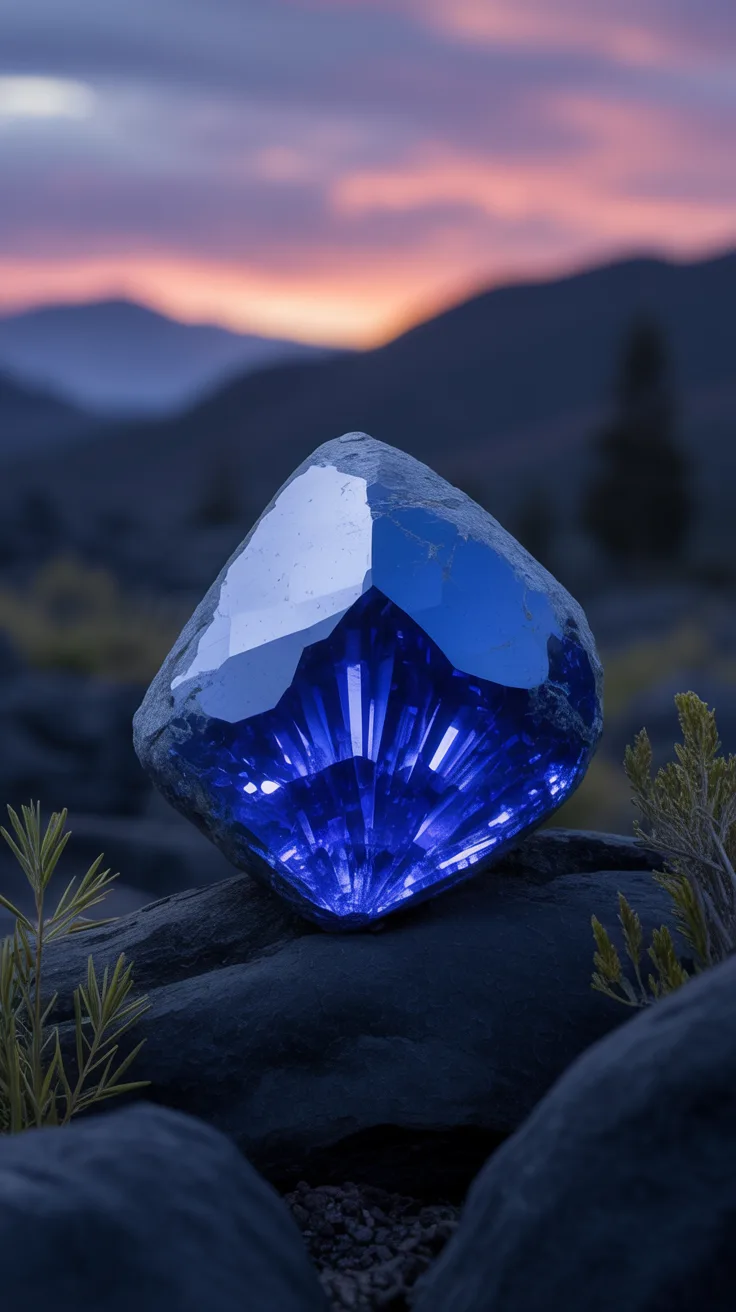
Benitoite holds the distinction of being California’s official state gem, and for good reason. This strikingly beautiful blue mineral is found in only one location worldwide—San Benito County, California. First discovered in 1907, benitoite exhibits a brilliant sapphire-blue color that fluoresces under ultraviolet light, creating a mesmerizing display that captivates collectors.
The rarity of benitoite makes it exceptionally valuable. High-quality specimens can command prices exceeding $4,000 per carat, placing it among the most expensive gemstones on Earth. The California State Gem Mine, located in the Diablo Range, remains the primary source for collectors seeking this extraordinary mineral.

View on AmazonAs an Amazon Associate, I earn from qualifying purchases.

View on AmazonAs an Amazon Associate, I earn from qualifying purchases.
Pro Tip: When hunting for benitoite, bring a portable UV light. The mineral’s distinctive fluorescence makes it easier to identify specimens in the field, especially in low-light conditions.
A portable UV flashlight for rockhounding can help reveal fluorescent minerals in the field.
2. Gold: California’s Historic Treasure
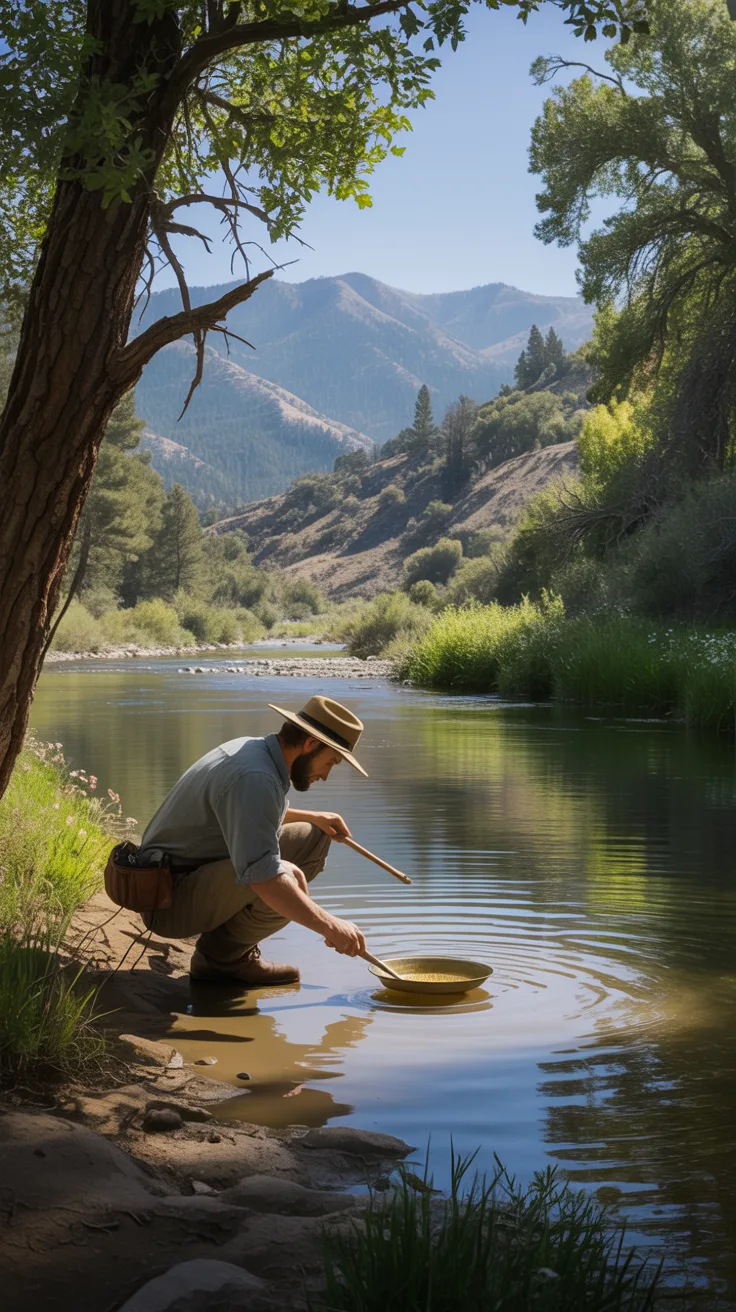
No discussion of valuable rocks California produces would be complete without mentioning gold. The 1848 discovery at Sutter’s Mill triggered the famous Gold Rush, forever changing the state’s history and economy. Today, recreational gold prospecting remains popular throughout the Sierra Nevada foothills and various river systems.
Key gold-bearing regions include:
- The Mother Lode region in the Sierra Nevada foothills
- Placer deposits along the American, Yuba, and Feather Rivers
- The Klamath Mountains in Northern California
- Desert placer deposits in San Bernardino and Imperial Counties
While large nuggets are rare, patient prospectors still recover placer gold from California waterways. Gold prices fluctuate with market conditions, but the metal consistently maintains significant value, currently trading around $2,000 per ounce.
New prospectors can start with a beginner gold panning kit.

View on AmazonAs an Amazon Associate, I earn from qualifying purchases.

View on AmazonAs an Amazon Associate, I earn from qualifying purchases.
Pro Tip: Join a local prospecting club to gain access to private claims and learn proven techniques from experienced miners. Many clubs offer equipment rentals and guided outings for beginners.
3. Tourmaline: The Rainbow Gemstone
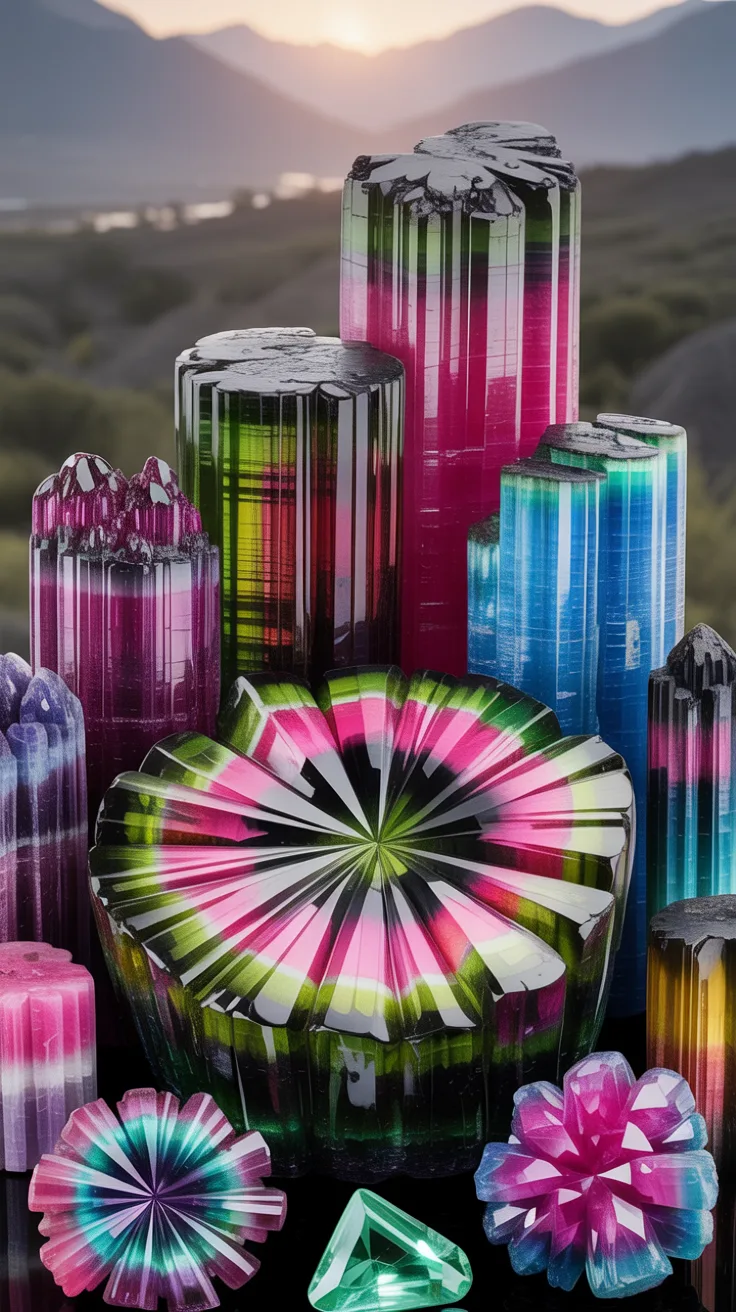
San Diego County has earned international recognition for producing world-class tourmaline specimens. The Pala and Mesa Grande mining districts have yielded exceptional pink, green, and bi-colored tourmaline crystals since the late 1800s. These vibrant gemstones were once exported to China, where Empress Dowager Cixi famously collected California pink tourmaline.
Tourmaline varieties found in California include:
- Rubellite – Deep pink to red specimens
- Indicolite – Blue tourmaline varieties
- Watermelon tourmaline – Pink centers with green outer layers
- Bi-color and tri-color – Multiple color zones in single crystals

View on AmazonAs an Amazon Associate, I earn from qualifying purchases.

View on AmazonAs an Amazon Associate, I earn from qualifying purchases.
Quality tourmaline specimens from California mines can fetch hundreds to thousands of dollars, depending on color saturation, clarity, and crystal formation.
4. Jade: California’s Green Gold
Nephrite Jade Deposits
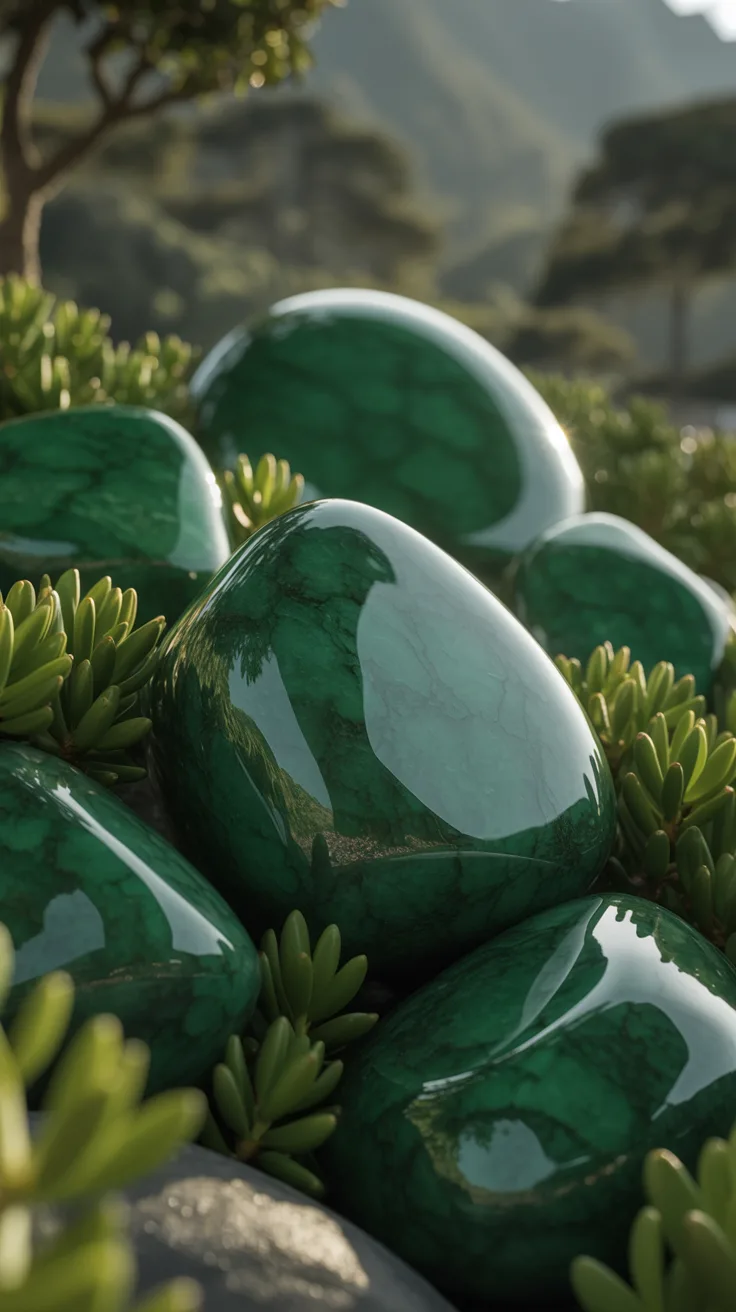
California hosts significant nephrite jade deposits, particularly along the Big Sur coastline and in the mountains of Monterey and San Luis Obispo Counties. This tough, beautiful stone ranges from deep green to lighter shades and has been valued for thousands of years by indigenous peoples and modern collectors alike.
Jade Beach near Plaskett Creek remains a popular destination for beachcombers seeking water-tumbled jade specimens. The crashing waves naturally polish these stones, creating smooth, lustrous pieces perfect for jewelry and decorative purposes.
Pro Tip: True jade feels cold to the touch and has a distinctive waxy luster. Test suspected specimens by checking their density—jade is notably heavy for its size compared to similar-looking stones.
5. Fire Agate: Desert Brilliance
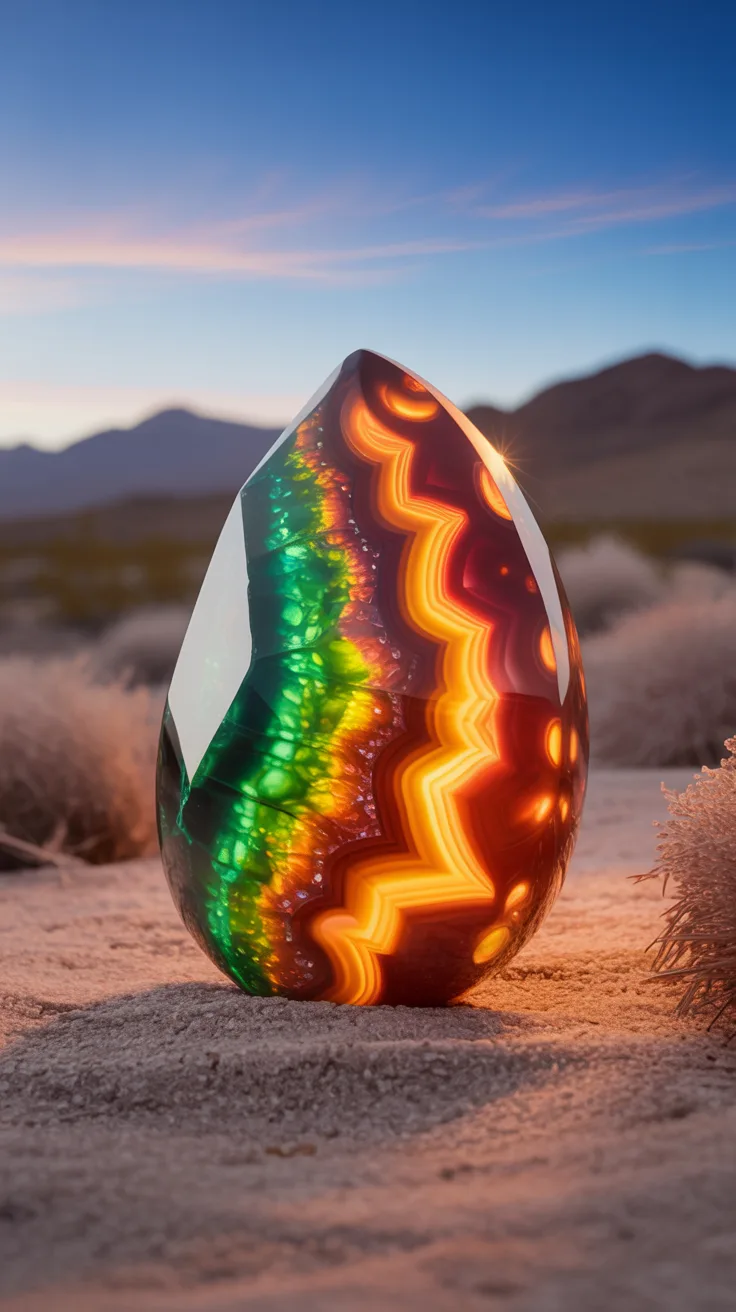
The Mojave Desert and Colorado Desert regions of California produce stunning fire agate specimens. This variety of chalcedony displays an iridescent play of colors—typically oranges, reds, and greens—caused by thin layers of iron oxide within the stone. When properly cut and polished, fire agate exhibits a three-dimensional depth that makes each piece unique.
Notable collecting areas include locations near Barstow, Needles, and along the Arizona border. Quality fire agate with strong color play can sell for $50 to $500 per piece, with exceptional specimens commanding even higher prices from collectors and jewelry designers.
6. Kunzite: The Pink Spodumene
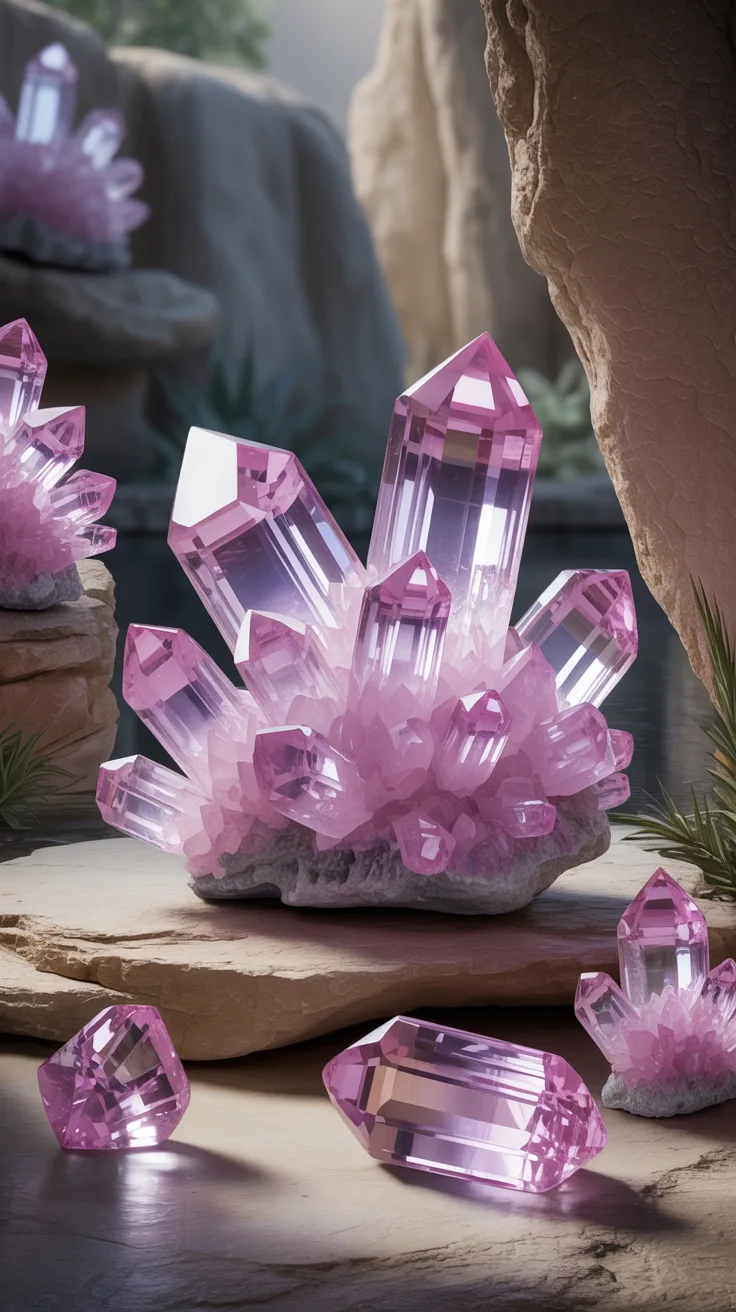
San Diego County’s pegmatite deposits have produced remarkable kunzite crystals that rank among the finest in the world. This pink to lilac variety of spodumene was first identified in 1902 and named after gemologist George Frederick Kunz. The Pala Chief Mine and other local operations have yielded museum-quality specimens weighing several hundred carats.
Kunzite’s delicate pink color and excellent transparency make it highly desirable for jewelry. However, the stone requires careful handling as it can fade with prolonged sun exposure and cleaves easily along certain planes.
Pro Tip: Store kunzite specimens away from direct sunlight to preserve their color. Display pieces in shaded areas or rotate them periodically to prevent uneven fading.
7. Serpentine: California’s State Rock
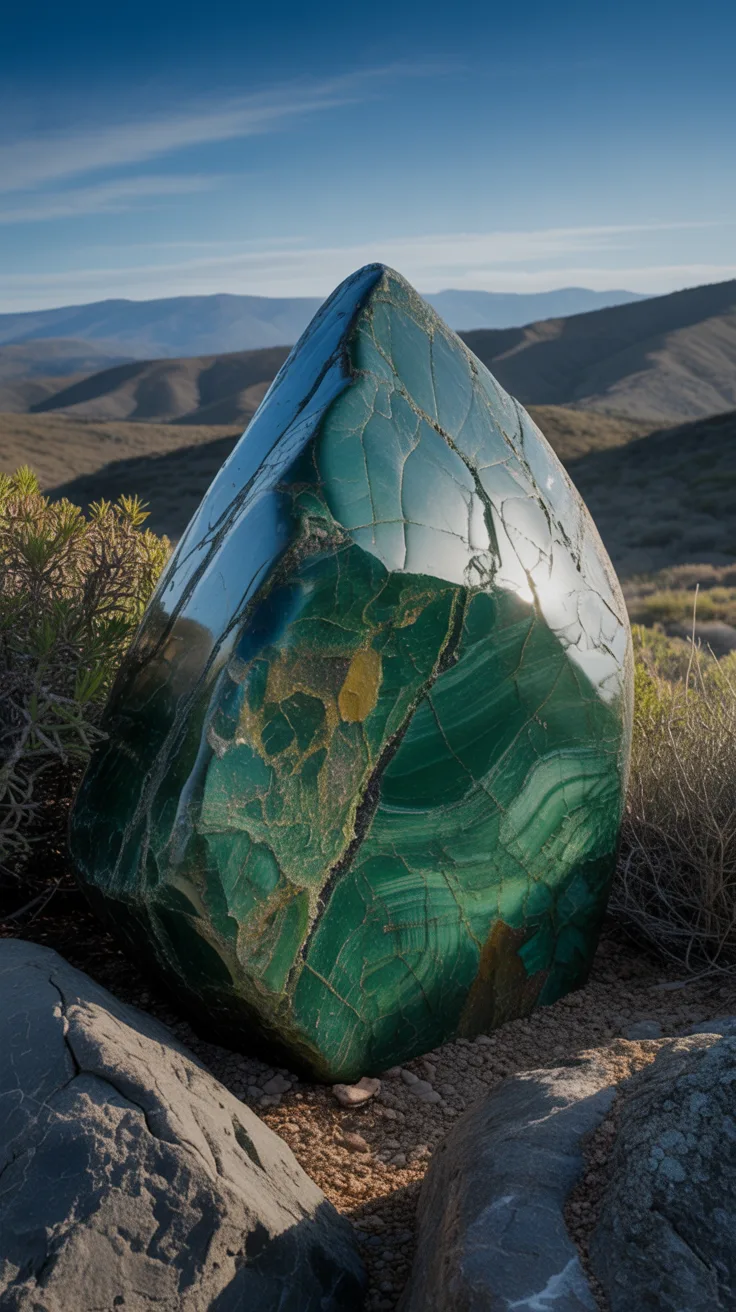
Designated as California’s official state rock in 1965, serpentine occurs abundantly throughout the Coast Ranges and Sierra Nevada foothills. This green metamorphic rock often contains valuable mineral inclusions, including chromite and magnetite. While serpentine itself has modest commercial value, it serves as an important indicator for other valuable rocks California geology produces.
Serpentine deposits frequently host:
- Chromite ore deposits
- Nephrite jade formations
- Chrysotile asbestos (historical mining interest)
- Various rare minerals associated with ultramafic rocks
Polished serpentine makes attractive decorative stone, and certain varieties with exceptional color and pattern command premium prices from lapidary artists.
8. Rhodonite: The Rose-Colored Manganese Mineral
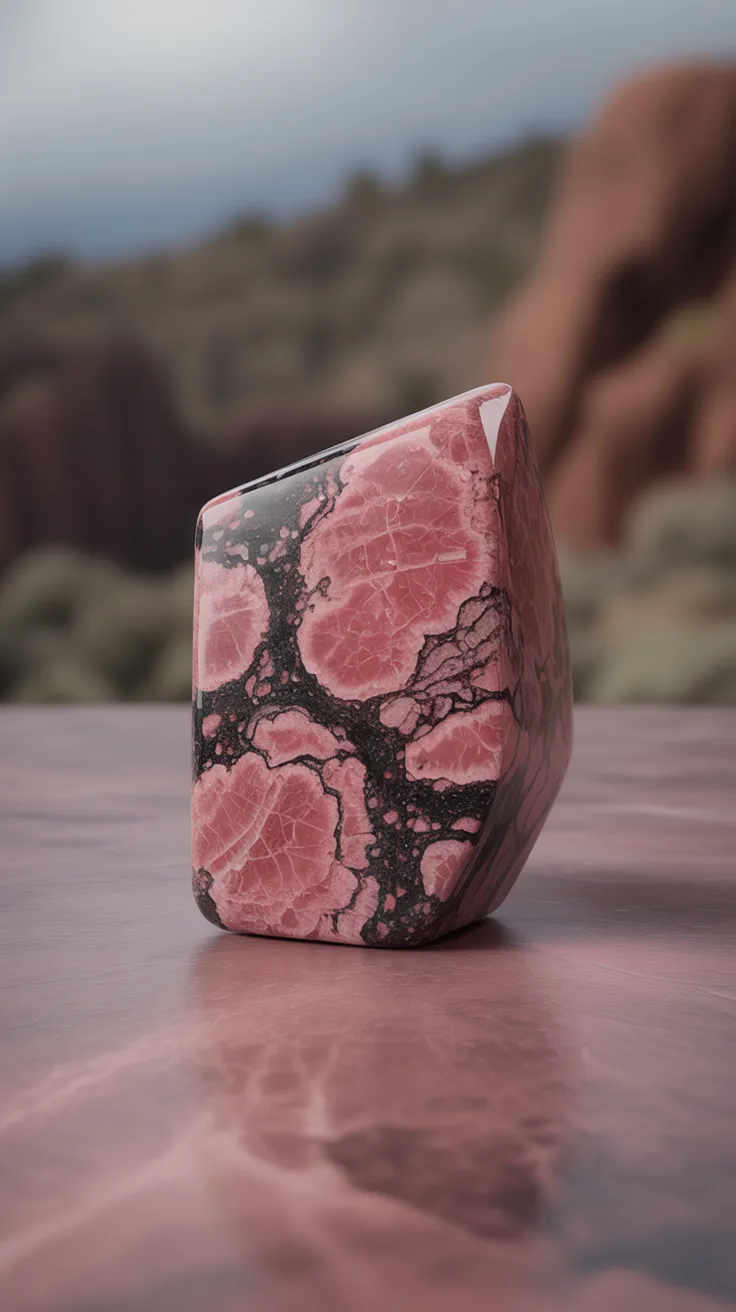
California produces beautiful rhodonite specimens, particularly from deposits in San Benito, Mendocino, and Trinity Counties. This manganese silicate mineral displays distinctive rose-pink to red coloration, often contrasted with black manganese oxide veining that creates striking patterns.
Quality rhodonite serves multiple purposes:
- Cabochon gemstones for jewelry
- Decorative carvings and sculptures
- Tumbled stones for collectors
- Specimen pieces for mineral collections
While not as valuable as some California gemstones, fine rhodonite specimens with intense color and attractive patterns remain sought after by collectors and artisans.
Pro Tip: When evaluating rhodonite, look for pieces with vivid pink coloration and interesting black veining patterns. Avoid specimens with excessive brown oxidation, which diminishes both appearance and value.
Where to Hunt for Valuable Rocks in California
Public Collecting Sites
Several locations throughout California permit recreational rock collecting:
- Bureau of Land Management (BLM) lands – Generally allow casual collecting
- Designated fee-dig sites – Offer guided collecting experiences
- Public beaches – Permit collection of loose specimens
- National Forest lands – Allow limited personal collecting
Always verify current regulations before collecting, as rules vary by location and may change seasonally.
A rockhounding geology tool kit can keep basic collecting equipment together for field trips.
Frequently Asked Questions
What is the most valuable rock found in California?
Benitoite holds the title as California’s most valuable rock by carat weight. This rare blue gemstone, found only in San Benito County, can exceed $4,000 per carat for high-quality specimens. Gold also maintains significant value, though prices fluctuate with market conditions.
Can anyone collect rocks on public lands in California?
Casual rock collecting for personal use is generally permitted on BLM lands and certain National Forest areas. However, collecting is prohibited in National Parks, designated wilderness areas, and private property without permission. Always check specific regulations for each location before collecting.
Where can beginners start rock hunting in California?
Beginners should consider visiting established fee-dig sites or joining local gem and mineral clubs. Popular starter locations include Jade Beach near Big Sur, various desert areas for agates and jaspers, and gold-bearing rivers in the Sierra Nevada foothills where recreational panning is permitted.
Beginners may find a California rockhounding field guide useful for learning common minerals and collecting locations.
How can collectors identify valuable rocks California produces?
Proper identification requires learning basic mineralogy, including hardness testing, specific gravity measurement, and visual characteristics. Field guides specific to California minerals prove invaluable, and many collectors benefit from attending club meetings where experienced members can help identify specimens.
Are there guided rock hunting tours available in California?
Yes, numerous guided tours and fee-dig operations exist throughout California. The California State Gem Mine offers benitoite hunting experiences, while various operations in San Diego County provide tourmaline collecting opportunities. Gold prospecting tours operate along several Sierra Nevada rivers during appropriate seasons.