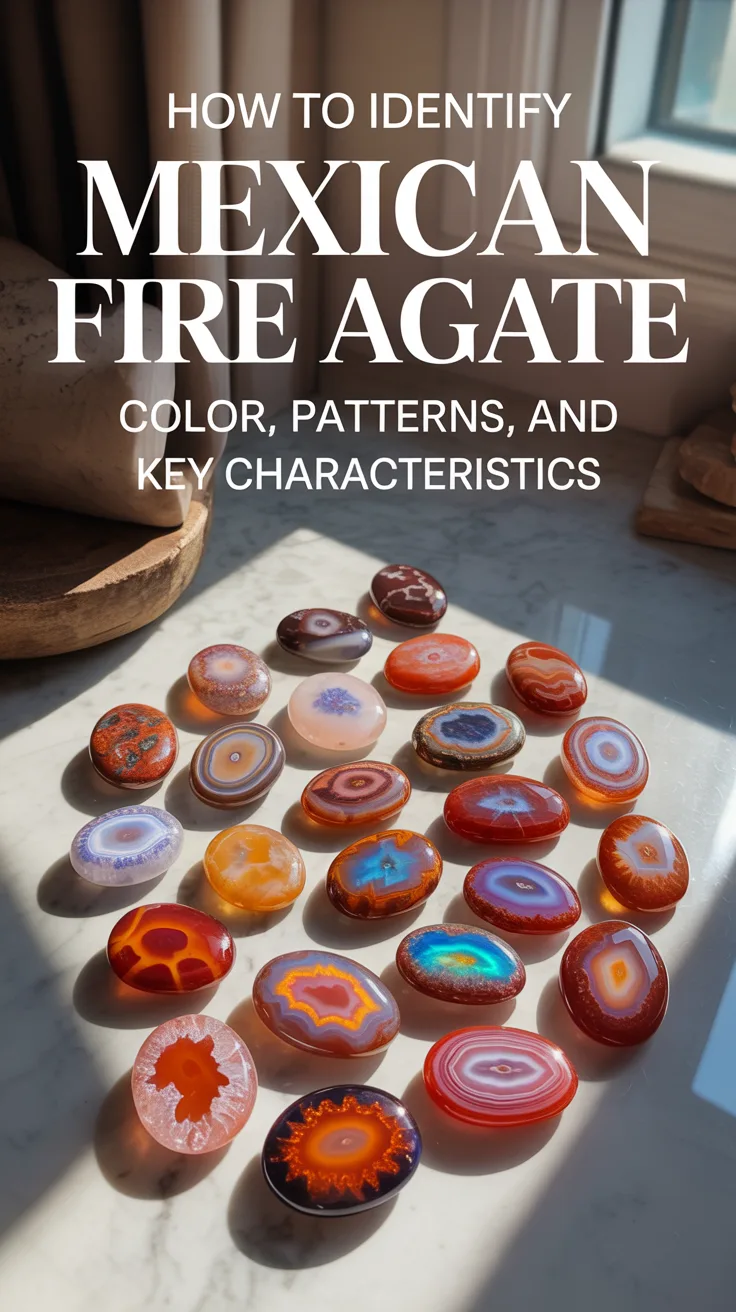
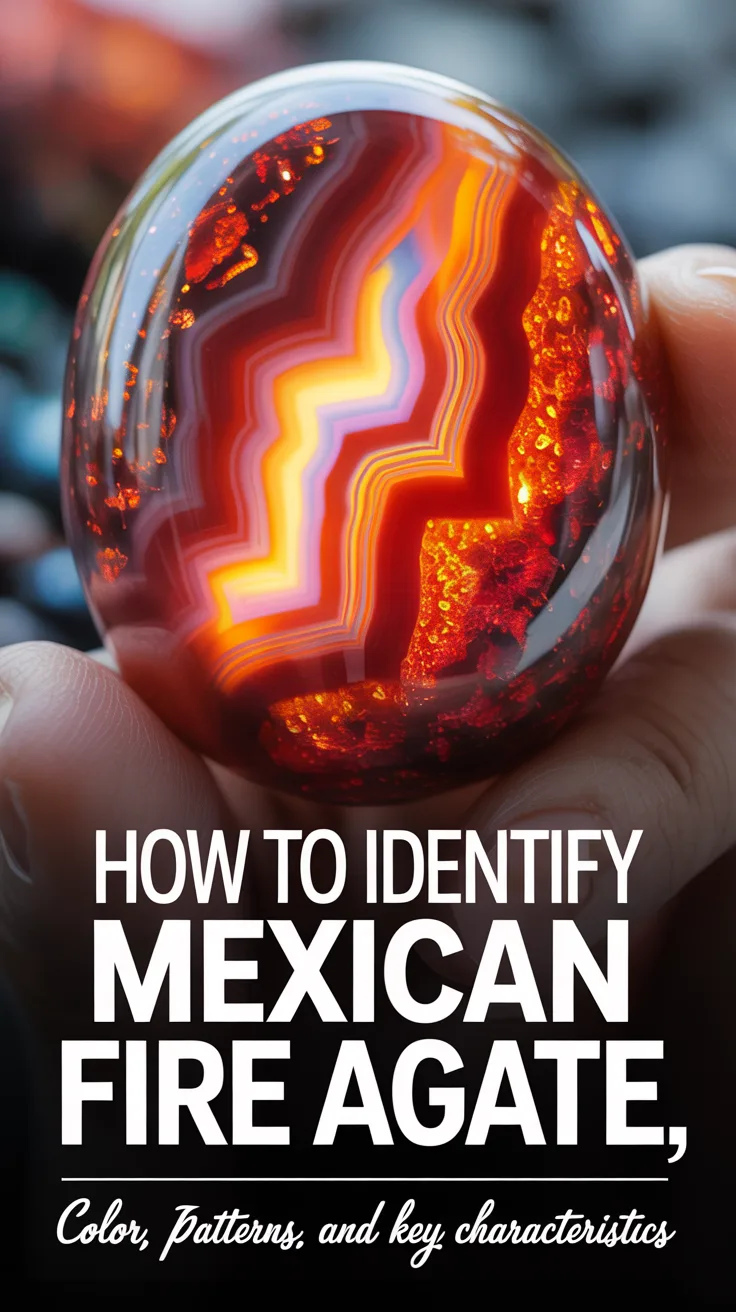

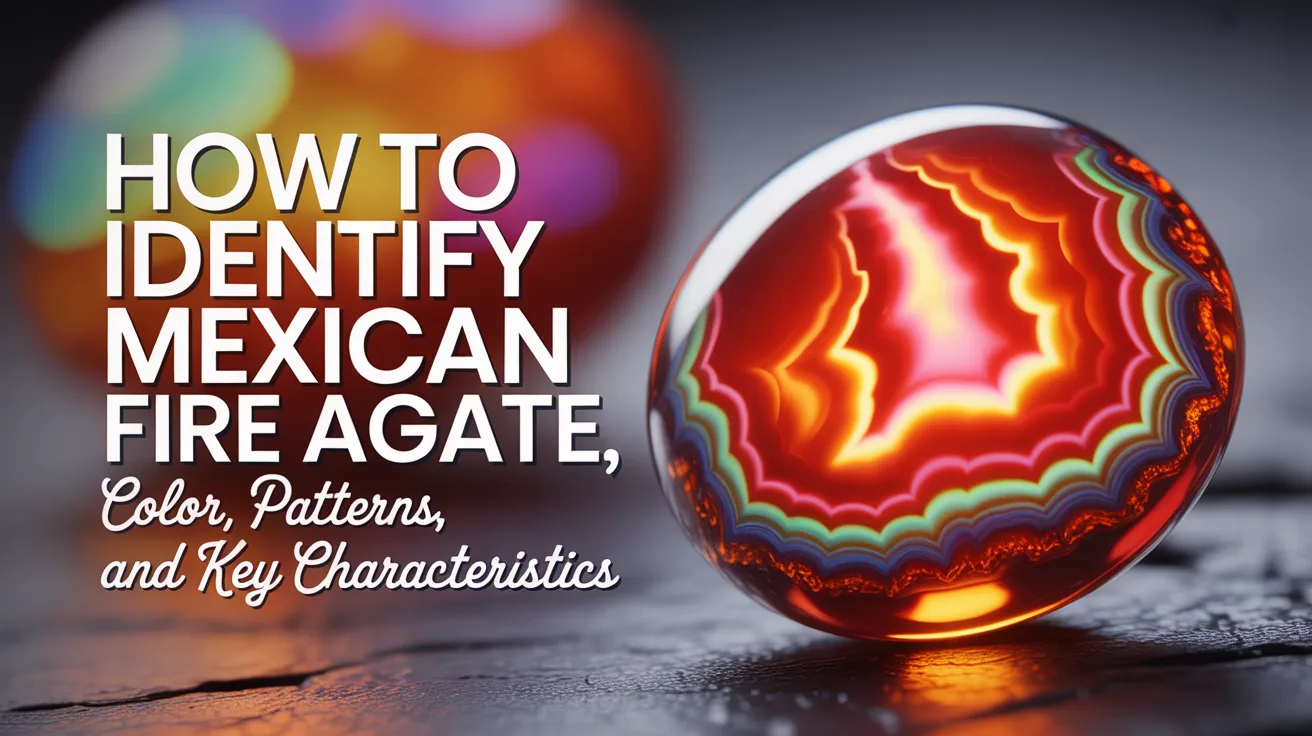
Introduction to Mexican Fire Agate
There’s something almost magical about holding a piece of Mexican Fire Agate up to the light for the first time. I still remember my initial encounter with this gemstone at a small rock shop in Tucson—I was completely mesmerized by the way colors seemed to shift and dance beneath the surface like living flames. That moment sparked a passion that has led me down countless rabbit holes of research, collecting, and yes, a few expensive mistakes along the way.
Mexican Fire Agate is a semi-precious gemstone belonging to the chalcedony family, formed millions of years ago through volcanic activity in what is now northern Mexico. What sets it apart from other agates is its remarkable iridescence—a phenomenon caused by thin layers of iron oxide and silica that create interference patterns when light passes through them. Think of it like a natural hologram trapped inside a stone.

Whether you’re a seasoned collector or someone who just stumbled upon this gorgeous gem, knowing how to properly identify authentic Mexican Fire Agate is essential. Trust me, I’ve learned this lesson the hard way after purchasing what I thought was a stunning specimen, only to discover it was an enhanced piece worth a fraction of what I paid.
Pro Tip: Before making any significant purchase, always ask the seller about the stone’s origin and whether it has been treated or enhanced in any way. Reputable dealers will be transparent about their inventory.
Color Variations in Mexican Fire Agate
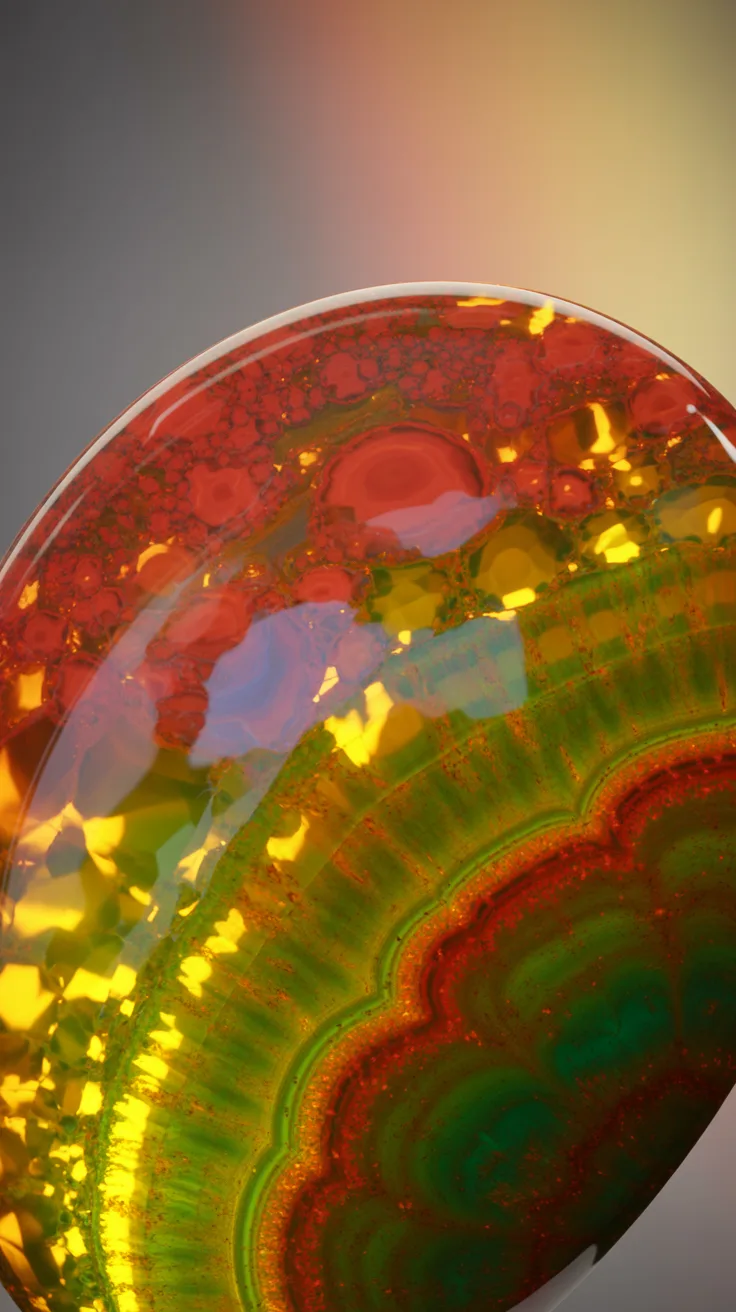
One of the most captivating aspects of Mexican Fire Agate is its incredible range of colors. Unlike many gemstones that come in predictable hues, Fire Agate can surprise you with an entire spectrum hidden within a single stone. The colors you’ll encounter depend largely on the thickness of the iron oxide layers and how light interacts with them.
Here are the most common color variations you’ll find:
- Deep reds and oranges: These warm, fiery tones are the most iconic and sought-after colors, resembling actual flames frozen in time
- Golden yellows: Often appearing alongside reds, these sunny hues add warmth and depth to specimens
- Rich greens: Less common but absolutely stunning, green Fire Agate can range from olive to emerald tones
- Blues and purples: The rarest colors in Fire Agate, these cool tones are highly prized by collectors
- Multi-color specimens: Stones displaying three or more distinct colors are considered premium pieces
I once passed on a stone because it appeared mostly brown in the dealer’s dim lighting. A fellow collector picked it up, took it outside, and revealed the most incredible purple and green fire I’d ever seen. Lesson learned—always examine Fire Agate under multiple light sources before making a judgment.

View on AmazonAs an Amazon Associate, I earn from qualifying purchases.

View on AmazonAs an Amazon Associate, I earn from qualifying purchases.
Pro Tip: Natural sunlight is your best friend when evaluating Fire Agate colors. Indoor lighting, especially fluorescent bulbs, can significantly mute or alter the appearance of the stone’s true colors.
Patterns and Optical Effects
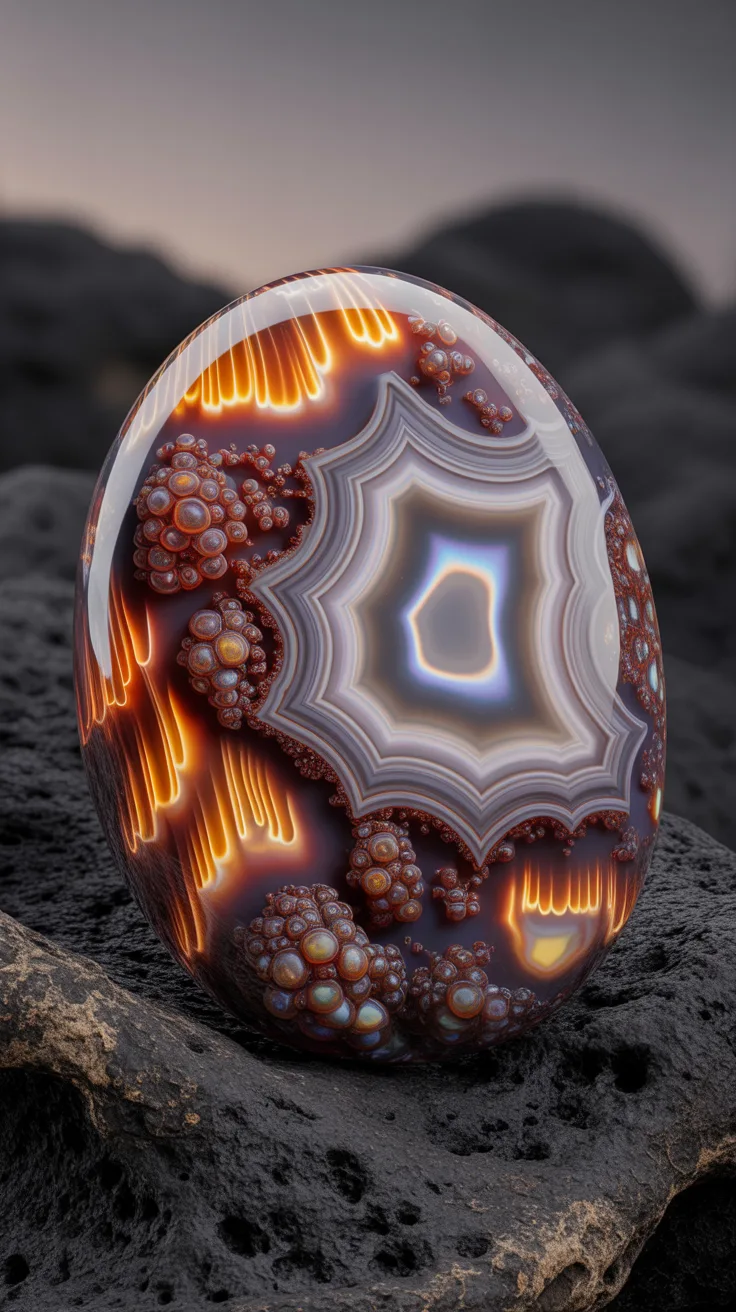
Beyond color, the patterns found in Mexican Fire Agate are what truly make each piece a one-of-a-kind treasure. These patterns formed over millions of years as silica-rich solutions slowly deposited layer upon layer of material in gas pockets within volcanic rock. The result is a geological fingerprint that can never be exactly replicated.
Common pattern types include:
- Flame patterns: Streaking, fire-like formations that seem to flicker as you rotate the stone
- Bubble or botryoidal formations: Rounded, grape-like structures that create depth and dimension
- Layered banding: Concentric rings that reveal the stone’s growth history
- Window patterns: Clear or translucent areas that allow you to see deeper into the stone
- Full-fire coverage: Rare specimens where iridescent color covers the entire visible surface
The optical effects in Fire Agate are nothing short of spectacular. The play-of-color you observe is caused by light diffracting through those microscopic layers I mentioned earlier. As you tilt the stone, different wavelengths of light become visible, creating that mesmerizing dance of color that collectors find so addictive.
I’ve spent hours just rotating a single specimen, watching how the colors shift and change. It’s meditative, honestly, and it never gets old.

View on AmazonAs an Amazon Associate, I earn from qualifying purchases.

View on AmazonAs an Amazon Associate, I earn from qualifying purchases.
Pro Tip: When examining patterns, look for depth in the fire. The best specimens have multiple layers of color that seem to extend deep into the stone rather than sitting flat on the surface.
Key Characteristics of Authentic Mexican Fire Agate
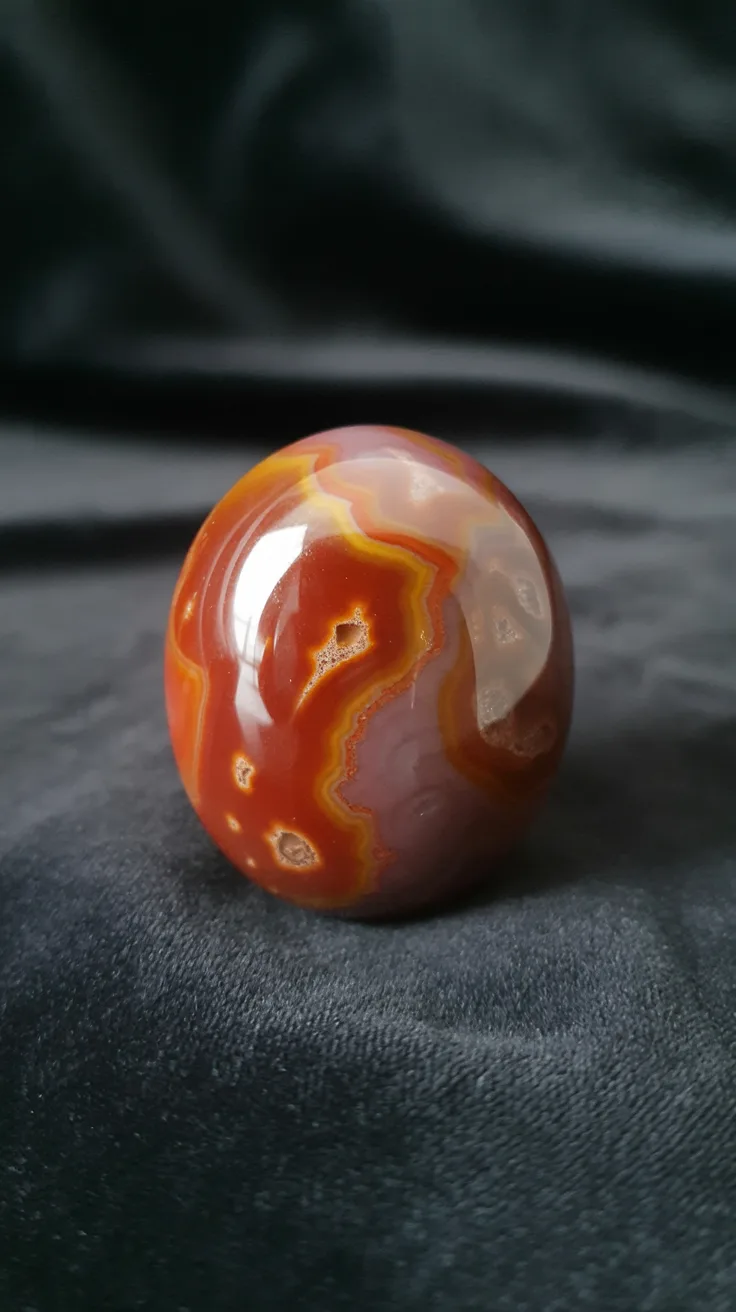
Now we get to the critical part—how do you know if what you’re looking at is the real deal? After years of collecting and a few unfortunate purchases, I’ve developed a checklist that has served me well.
Here are the key characteristics to look for:
- Natural color transitions: Authentic Fire Agate displays smooth, organic color gradients rather than harsh, artificial-looking boundaries
- Iridescent play-of-color: The colors should shift and change as you move the stone—static colors are a red flag
- Appropriate hardness: Fire Agate rates 6.5-7 on the Mohs scale, similar to quartz, and should resist scratching from softer materials
- Natural inclusions: Authentic specimens often contain small imperfections, bubbles, or variations that are difficult to fake
- Weight and density: Real Fire Agate has a substantial feel; if it seems too light, be suspicious
- Unique patterns: No two natural Fire Agates are identical—be wary of stones that look too perfect or uniform
One mistake I made early on was assuming that a higher price guaranteed authenticity. Unfortunately, that’s not always the case. I once paid premium prices for a “rare” specimen that turned out to be a cleverly enhanced piece with artificial color coating. The coating eventually wore off in spots, revealing the deception.
Pro Tip: Use a 10x jeweler’s loupe to examine the stone’s surface carefully. Look for any signs of coating, unusual uniformity, or surface treatments that might indicate enhancement.
Pro Tips for Collectors
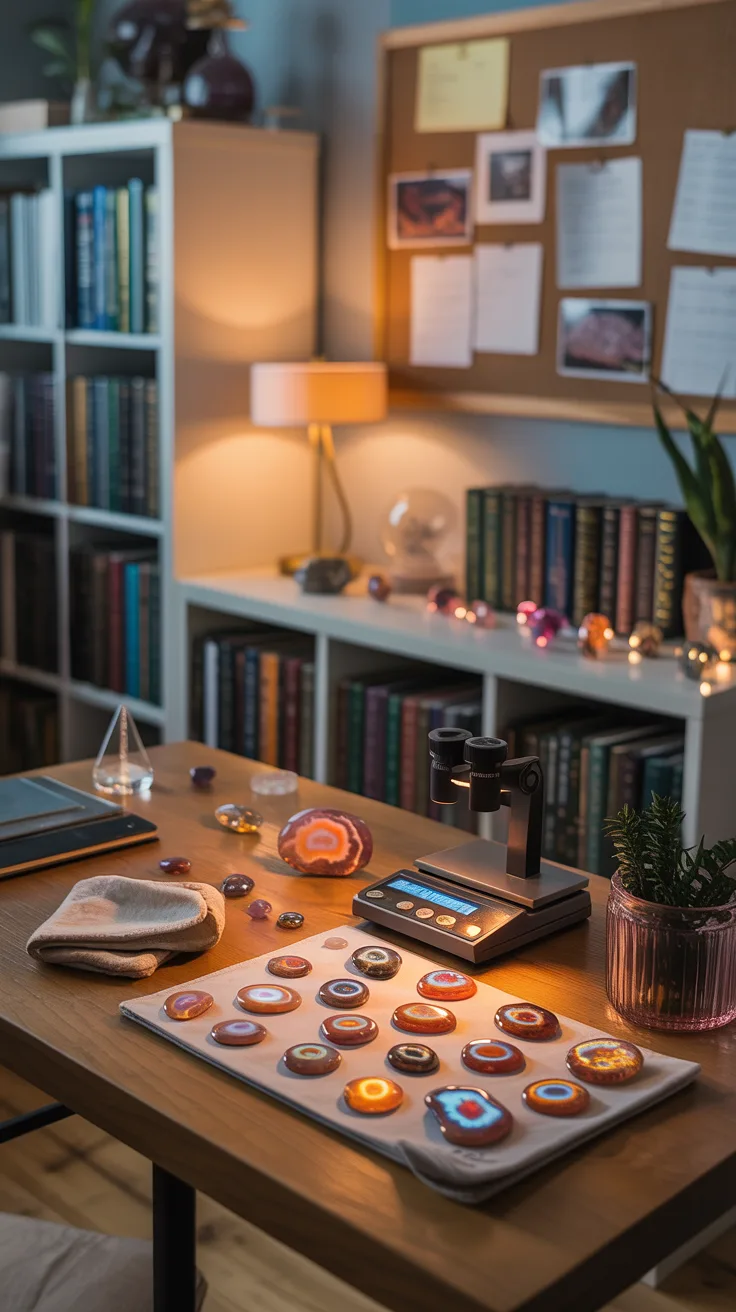
After years of building my collection, I’ve gathered some wisdom that I wish someone had shared with me when I started. Here’s what I’ve learned:
- Build relationships with reputable dealers: The gemstone world runs on trust and reputation—find sellers who stand behind their products
- Invest in proper tools: A quality loupe, good lighting, and a digital scale are essential for serious collectors
- Document everything: Keep records of where you purchased each piece, what you paid, and any provenance information
- Handle with care: Despite its hardness, Fire Agate can chip or crack if dropped—always work over a soft surface
- Store properly: Keep specimens individually wrapped in soft cloth to prevent scratching and store away from direct sunlight
- Join collector communities: Online forums and local gem clubs are invaluable resources for learning and finding rare pieces
Attending gem shows has been one of the best investments of my time. Not only do you get to see hundreds of specimens in person, but you also meet other collectors who are usually happy to share their knowledge. Some of my best pieces came from connections I made at these events.
Pro Tip: Don’t rush your purchases. Take your time, compare multiple specimens, and trust your instincts. If a deal seems too good to be true, it probably is.
Frequently Asked Questions
What is the value of Mexican Fire Agate?
The value varies dramatically based on size, color intensity, pattern complexity, and overall quality. Small, lower-quality pieces might sell for $10-50, while exceptional specimens with rare colors and full-fire coverage can command thousands of dollars. Multi-color stones with deep, vibrant fire are generally the most valuable.
How can I tell if my Fire Agate is real?
Examine the stone for natural color transitions, play-of-color that shifts as you move it, appropriate hardness, and natural inclusions. Use a loupe to check for coatings or artificial enhancements. Authentic Fire Agate will have organic, non-uniform patterns and a substantial weight.
Where can I find Mexican Fire Agate?
Mexican Fire Agate is primarily found in the northern Mexican states of Aguascalientes, Chihuahua, and San Luis Potosí. Some deposits also exist in the southwestern United States, particularly Arizona. For purchasing, reputable gem dealers, mineral shows, and established online sellers are your best options.
What tools are best for examining Fire Agate?
A 10x jeweler’s loupe is essential for close examination. Good lighting—preferably natural sunlight or a daylight-balanced LED—is crucial for seeing true colors. A penlight can help illuminate the stone from different angles to reveal hidden fire.
Can Mexican Fire Agate be used in jewelry?
Absolutely! With a hardness of 6.5-7, Fire Agate is durable enough for most jewelry applications. It’s commonly cut into cabochons for rings, pendants, and earrings. Custom jewelry featuring Fire Agate can be stunning, as skilled lapidaries can orient the stone to maximize its fire display.