
Introduction
I still remember the first time I got burned buying what I thought was a beautiful piece of genuine red agate. I was at a gem show, completely mesmerized by this stunning deep red stone with perfect banding. The price seemed reasonable, and the seller assured me it was authentic. Spoiler alert: it wasn’t. That $50 lesson taught me something invaluable—knowing how to identify genuine red agate is essential for anyone who loves collecting or wearing this beautiful gemstone.

Red agate has captivated humans for thousands of years with its rich, warm tones and mesmerizing patterns. But with its popularity comes a flood of imitations, dyed stones, and outright fakes flooding the market. Whether you’re a seasoned collector or just starting your gemstone journey, I’m going to share seven reliable methods I’ve learned over the years to help you separate the real deal from the imposters.
Understanding Red Agate
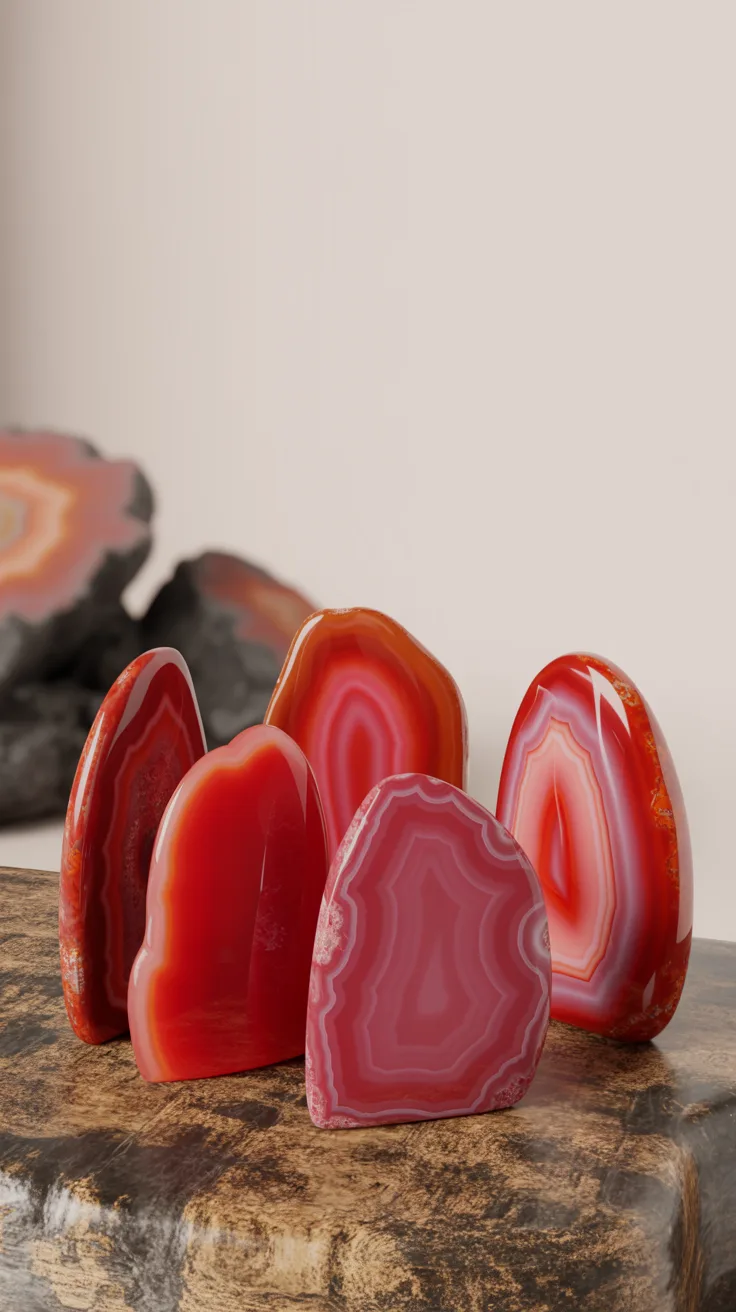
Before we dive into identification techniques, let’s talk about what red agate actually is. Red agate belongs to the chalcedony family, which is a microcrystalline variety of quartz. It forms in volcanic rock cavities over millions of years, creating those distinctive bands and patterns we all love. The red coloration comes from iron oxide inclusions within the stone’s structure.
Throughout history, red agate has been prized not just for its beauty but also for its supposed protective and grounding properties. Ancient warriors wore it into battle, believing it would give them courage. Today, it remains one of the most sought-after varieties of agate, which unfortunately makes it a prime target for counterfeiting.

View on AmazonAs an Amazon Associate, I earn from qualifying purchases.

View on AmazonAs an Amazon Associate, I earn from qualifying purchases.
Pro Tip: Understanding the geological origins of red agate helps you appreciate why certain characteristics—like natural banding irregularities—are actually signs of authenticity rather than flaws.
Visual Inspection: Your First Line of Defense
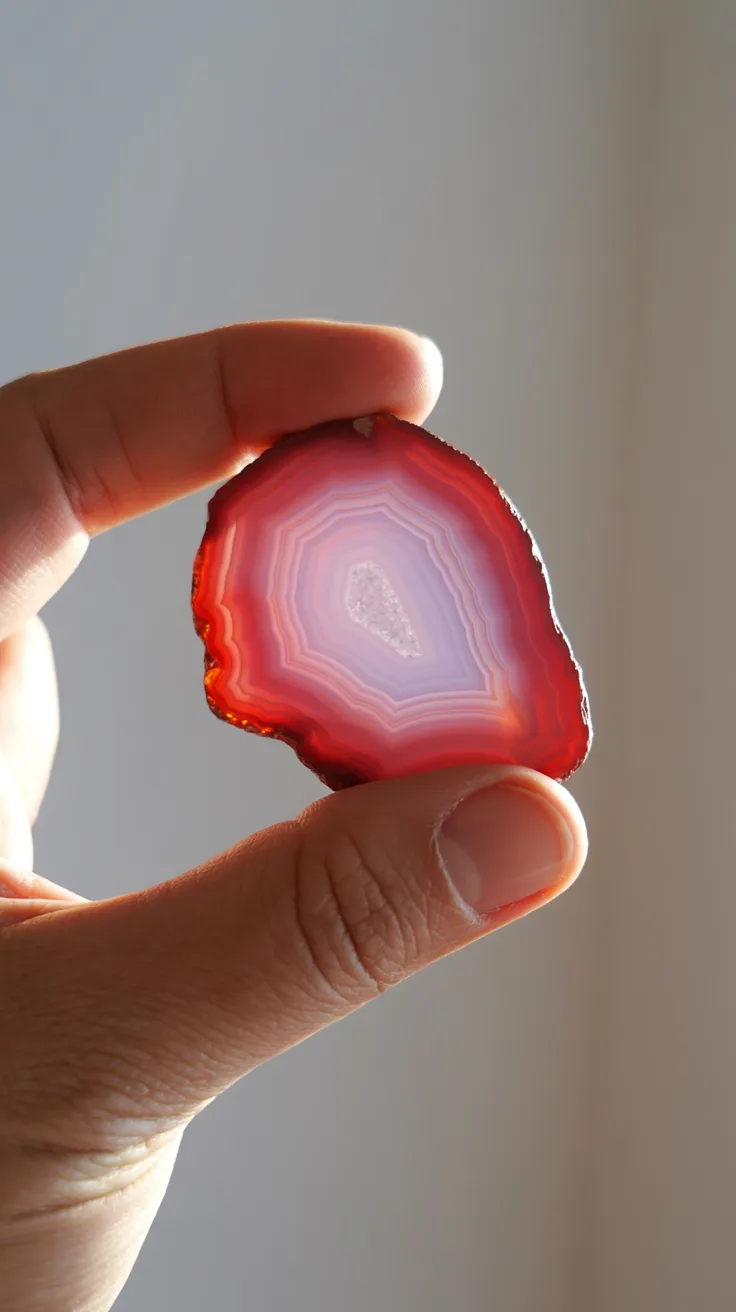
The first thing I do when examining any red agate is simply look at it carefully. Your eyes can tell you a lot if you know what to look for. Genuine red agate displays certain visual characteristics that are difficult to replicate perfectly.
- Banding patterns: Natural red agate features bands that vary in thickness and aren’t perfectly uniform. If every band looks identical, that’s a red flag.
- Color gradation: Real stones show subtle shifts in color intensity, not harsh, uniform coloring throughout.
- Translucency: Hold the stone up to light. Authentic agate often shows some degree of translucency, especially at thinner edges.
- Surface texture: Natural stones may have slight surface irregularities, while fakes often appear too smooth or too perfect.
I always carry a 10x magnifying loupe in my bag when shopping for gemstones. It’s a small investment that has saved me from countless bad purchases. Under magnification, you can spot details invisible to the naked eye.

View on AmazonAs an Amazon Associate, I earn from qualifying purchases.

View on AmazonAs an Amazon Associate, I earn from qualifying purchases.
Checking for Inclusions
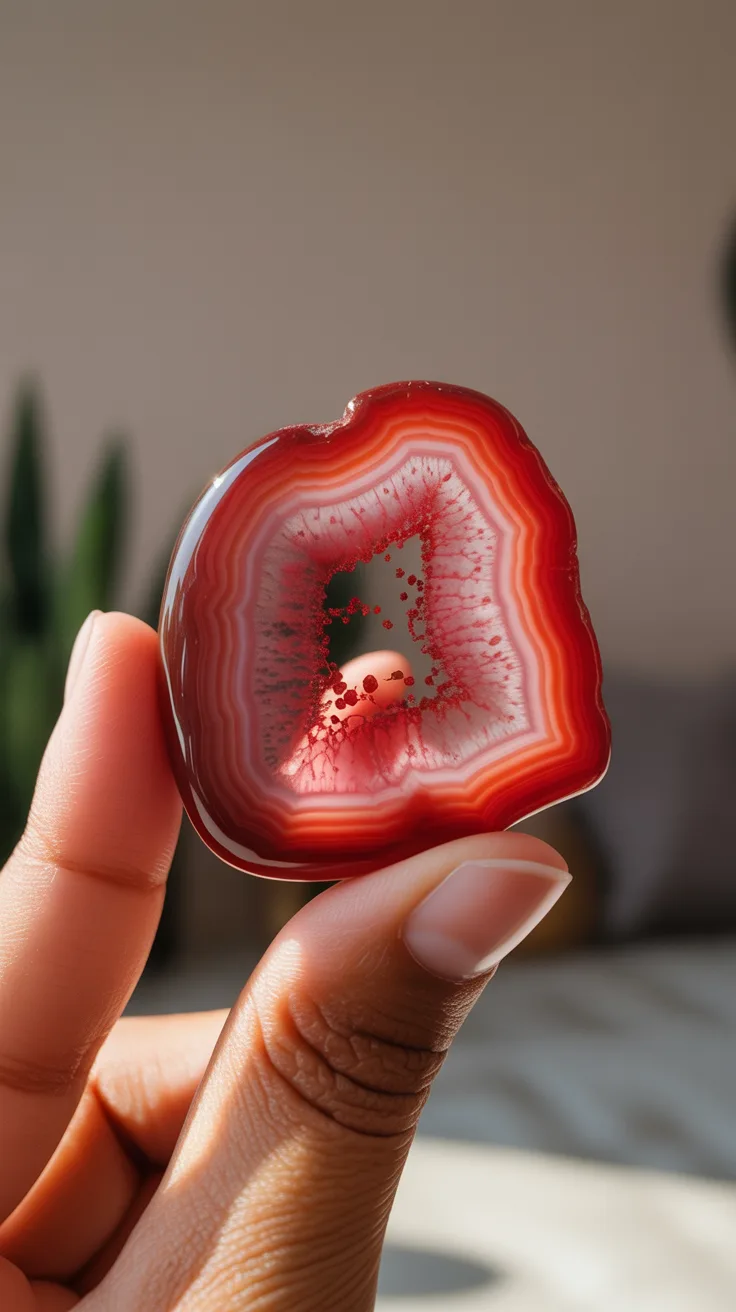
Here’s something I learned the hard way: perfection is suspicious. Natural gemstones, including red agate, contain inclusions—tiny imperfections that formed during the stone’s creation. These might appear as small mineral deposits, microscopic air bubbles, or slight cloudiness within the stone.
When I examine a potential purchase, I look for these natural “fingerprints.” Synthetic materials and glass imitations typically lack these characteristics because they’re manufactured under controlled conditions. A stone that looks absolutely flawless under magnification should make you pause and investigate further.
That said, some high-quality natural agates can appear quite clean, so inclusions alone shouldn’t be your only determining factor. Use this test in combination with others for the most reliable results.
Testing Hardness to Identify Genuine Red Agate
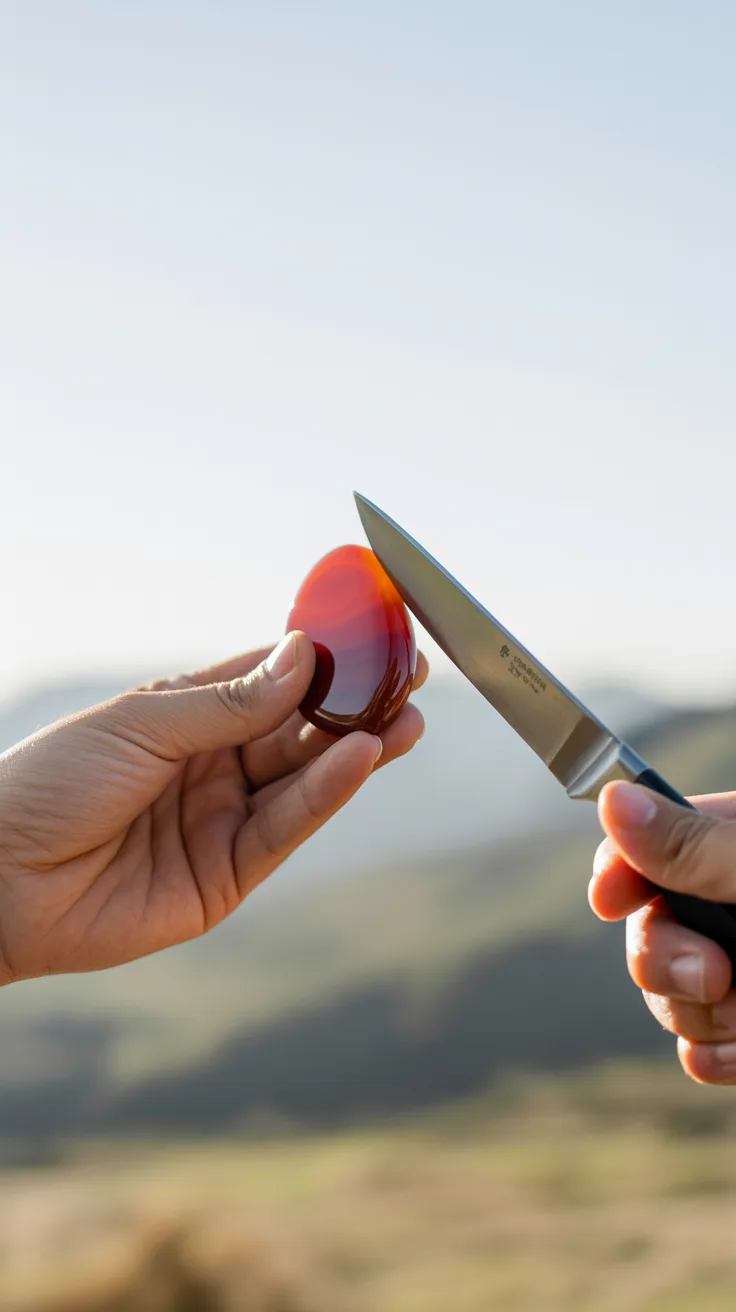
One of my favorite tests is the hardness test because it’s based on science, not just visual judgment. Red agate ranks between 6.5 and 7 on the Mohs hardness scale, making it a relatively hard stone. This means it should resist scratching from materials softer than itself.
Here’s how I perform this test safely:
- Find an inconspicuous spot on the stone (usually the back or bottom)
- Attempt to scratch it with a steel knife (hardness 5.5) or a piece of glass (hardness 5.5)
- Genuine agate should not scratch from these materials
- Conversely, agate should be able to scratch glass
I once tested a “red agate” pendant that scratched easily with my pocket knife. Turns out, it was dyed plastic. The seller wasn’t happy when I pointed this out, but my wallet certainly was!
Pro Tip: Always ask permission before performing scratch tests on stones you don’t own yet. Most reputable sellers will understand and may even appreciate your knowledge.
Examining the Color Carefully
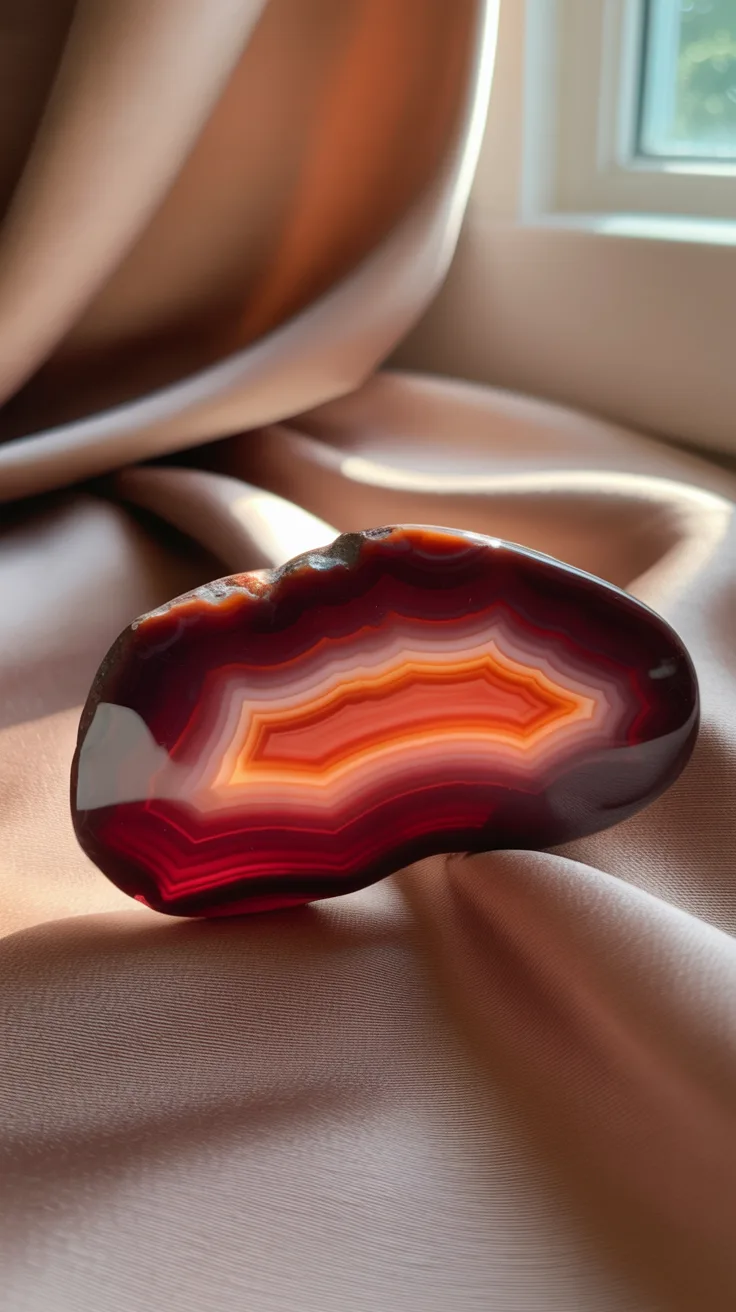
Color examination is where many fakes reveal themselves. Natural red agate displays a range of red tones—from deep burgundy to warm orange-red—often within the same stone. The colors blend and transition naturally, following the banding patterns.
- Natural variation: Authentic stones show subtle color differences throughout
- Depth of color: Real red agate has color that appears to come from within, not painted on the surface
- Edge examination: Check the edges and drill holes for color concentration, which indicates dyeing
- Lighting test: View the stone under different light sources—natural sunlight, incandescent, and fluorescent
Dyed agates often have color that pools in cracks and crevices, appearing darker in these areas. I’ve also noticed that artificially colored stones sometimes have an unnaturally bright, almost neon quality that genuine stones simply don’t possess.
Pro Tip: Soak a cotton swab in acetone (nail polish remover) and gently rub an inconspicuous area. If color transfers to the swab, you’re likely dealing with a dyed stone.
Heat Resistance Test
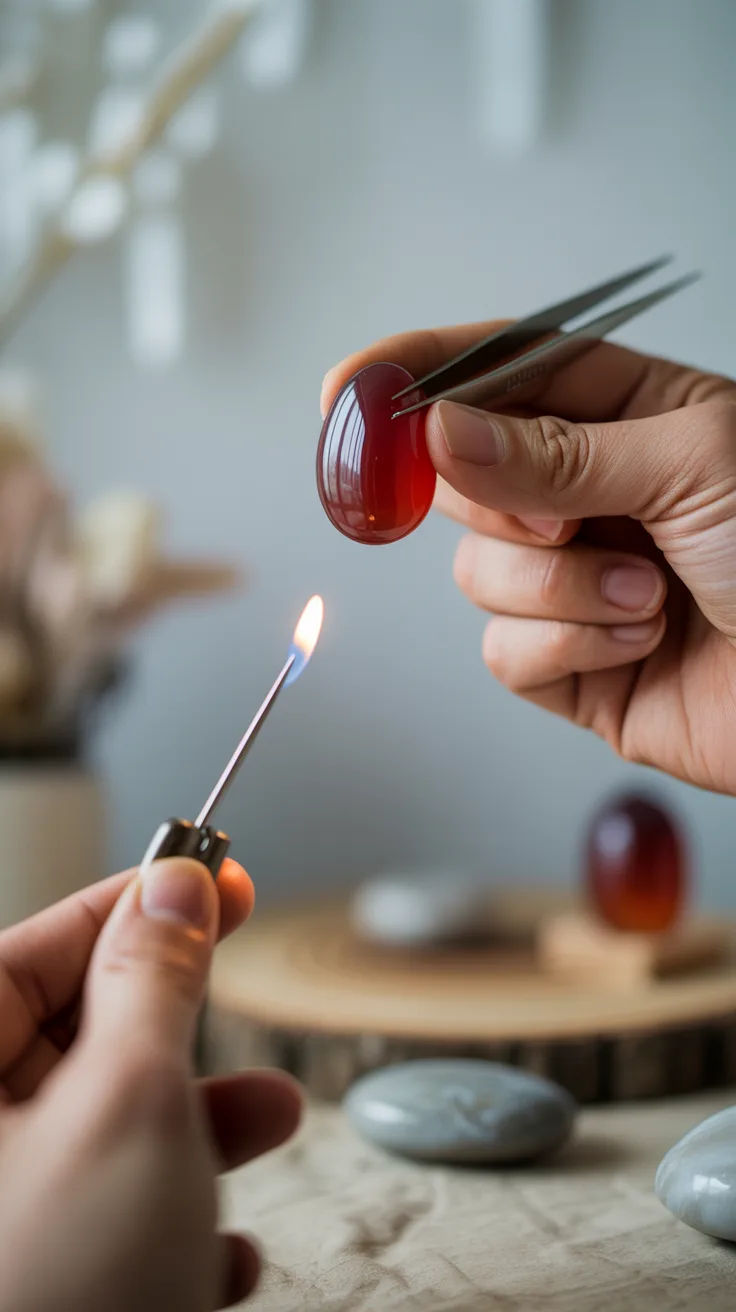
This test requires caution, but it’s quite effective. Genuine red agate is heat resistant and won’t be damaged by moderate heat exposure. Plastic imitations, on the other hand, will soften, melt, or emit a chemical smell when heated.
I perform this test by heating a needle or pin with a lighter and touching it to an inconspicuous spot on the stone. Real agate won’t react, while plastic will show a mark or produce a burning smell. Glass imitations won’t melt either, so combine this test with others for conclusive results.
A word of warning: never apply direct flame to the stone itself, and always work in a well-ventilated area. Safety first!
Professional Appraisal: When to Call in the Experts

Sometimes, despite our best efforts, we need professional help. If you’re considering a significant purchase or have inherited a piece you’re unsure about, a professional appraisal is worth the investment. Certified gemologists have access to advanced testing equipment like spectrometers and refractometers that can definitively identify stones.
I recommend professional appraisal when:
- The stone’s value exceeds $200
- You’re purchasing for investment purposes
- The piece has historical or sentimental significance
- Your own tests yield inconclusive results
Finding a Reputable Appraiser
Not all appraisers are created equal. Look for gemologists certified by recognized organizations like the Gemological Institute of America (GIA) or the American Gem Society (AGS). Ask about their experience specifically with agates and chalcedony varieties.
I always check online reviews and ask for recommendations from local jewelry stores or gem clubs. A good appraiser will explain their findings clearly and provide documentation you can keep for your records. Expect to pay between $50-150 for a professional appraisal, depending on your location and the complexity of the evaluation.
Frequently Asked Questions
What is the most common type of fake red agate?
The most common fakes are dyed quartz, dyed lower-grade agates, and glass or plastic imitations. Dyed stones are particularly prevalent because they can look convincing at first glance but reveal themselves under closer examination.
How does red agate differ from other agates?
Red agate is distinguished primarily by its coloration, which comes from iron oxide inclusions. While all agates share similar physical properties, red agate typically displays warmer tones and often features more dramatic banding patterns than other varieties.
Can red agate be artificially colored?
Yes, many agates on the market have been dyed to enhance or completely change their color. While some disclosure is required by ethical sellers, not everyone follows these guidelines. Learning to identify genuine red agate helps you avoid overpaying for treated stones.
What are the main uses of red agate?
Red agate is primarily used in jewelry—rings, pendants, earrings, and bracelets. It’s also popular for decorative objects, bookends, and in crystal healing practices where it’s believed to promote courage and emotional balance.
How can I maintain my red agate jewelry?
Clean your red agate with lukewarm water and mild soap, using a soft brush for detailed pieces. Avoid harsh chemicals, ultrasonic cleaners, and extreme temperature changes. Store pieces separately to prevent scratching from harder gemstones.