


Introduction to Valuable Agates
I still remember the first time I held a truly exceptional agate in my hands. It was at a gem show in Tucson, and the stone’s intricate banding seemed to tell a story millions of years in the making. That moment sparked an obsession that has led me down countless rabbit holes, empty riverbeds, and into some fascinating conversations with fellow collectors.
Valuable agates aren’t just pretty rocks—they’re windows into geological history, each one formed through a unique combination of volcanic activity, mineral deposits, and time. Whether you’re just starting your collection or looking to add some truly spectacular specimens, understanding what makes certain agates stand out from the rest is essential knowledge.

Over the years, I’ve made my share of mistakes—overpaying for mediocre specimens, passing on stones I should have grabbed, and once accidentally leaving a prized Laguna Agate in my jeans pocket before washing them (it survived, thankfully). Through trial and error, I’ve learned which agates consistently hold their value and capture the hearts of collectors worldwide.
1. Lake Superior Agate
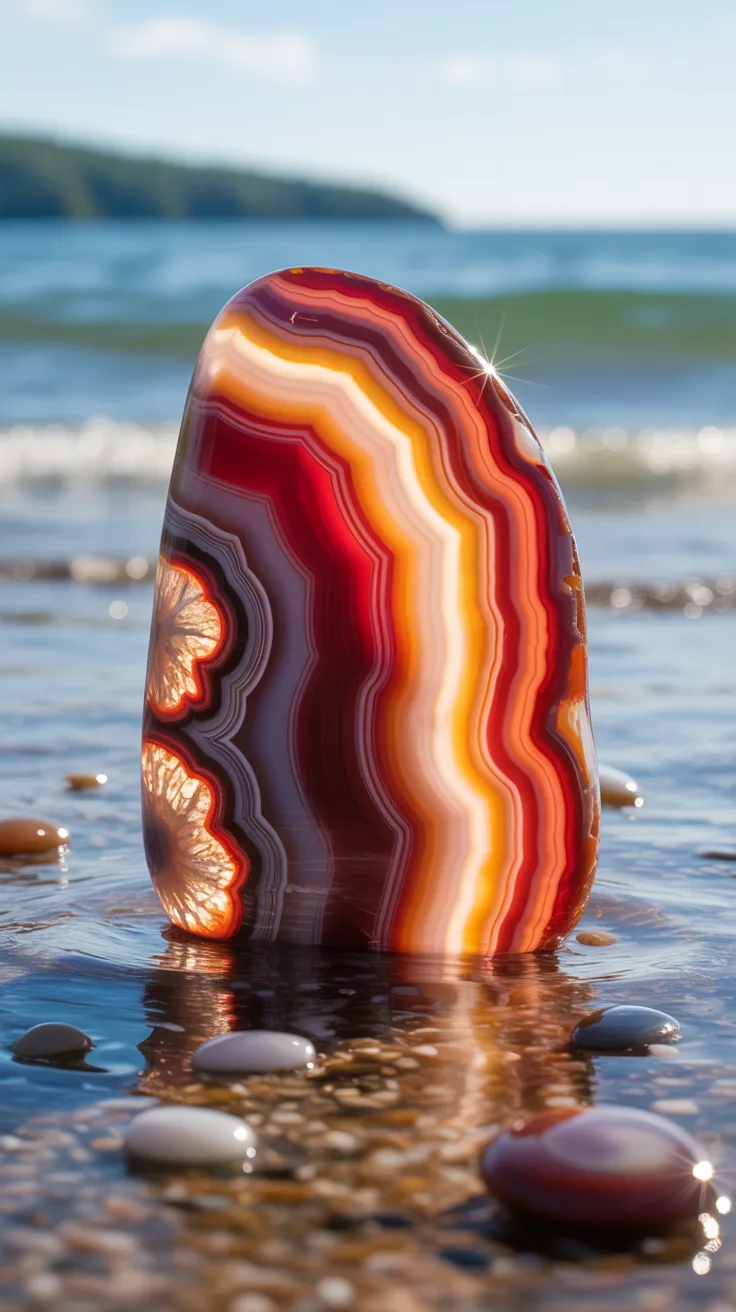
If you’re collecting agates in North America, the Lake Superior Agate is practically a rite of passage. These beauties are distinguished by their rich red, orange, and sometimes yellow banding—colors that come from iron oxidation during their formation over a billion years ago.
What I love about Lake Superior Agates is their accessibility. You can actually hunt for them yourself along the shores of Lake Superior and throughout Minnesota, Wisconsin, and Michigan. I spent a memorable weekend in Duluth, Minnesota, walking the beaches with my eyes glued to the ground. The thrill of finding one yourself? Absolutely unmatched.

View on AmazonAs an Amazon Associate, I earn from qualifying purchases.

View on AmazonAs an Amazon Associate, I earn from qualifying purchases.
Pro Tip: When hunting for Lake Superior Agates, look for stones with a waxy luster and translucent quality. The best specimens show distinct fortification banding and weigh more than similarly-sized rocks due to their quartz composition.
2. Botswana Agate
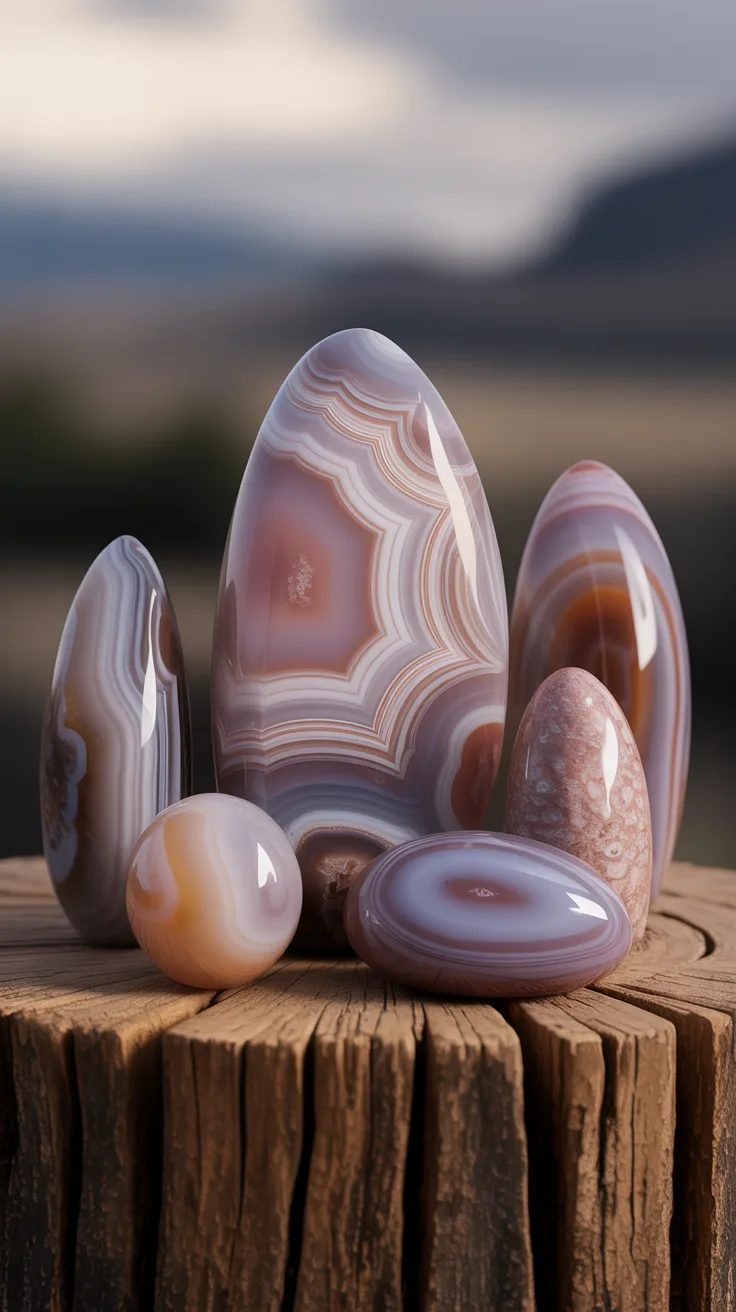
Botswana Agate holds a special place in my collection. These stones feature delicate bands of pink, gray, white, and sometimes apricot that seem almost too perfect to be natural. Mined exclusively in Botswana, Africa, they’ve become increasingly popular—and increasingly valuable.
Beyond their aesthetic appeal, many collectors are drawn to Botswana Agates for their reputed metaphysical properties. While I’m primarily in it for the beauty, I can’t deny there’s something calming about holding one of these soft-hued stones.
3. Fire Agate
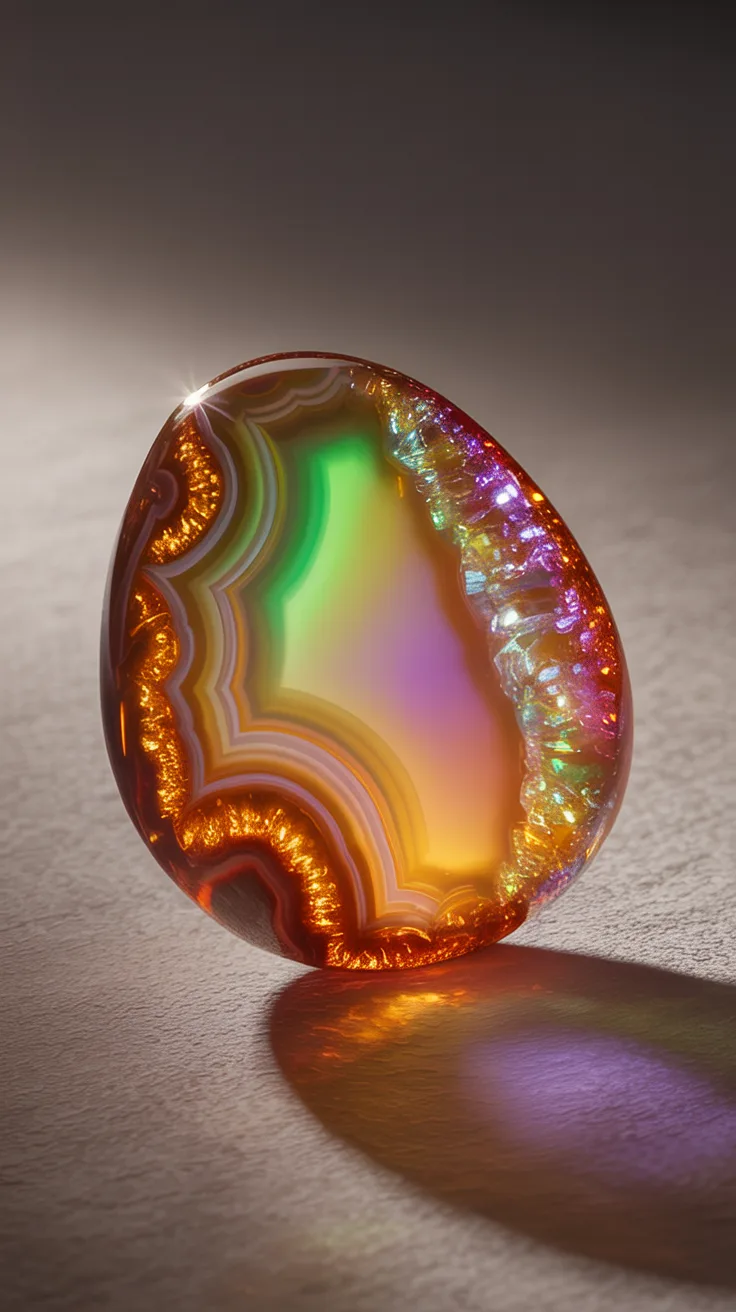
Fire Agate is, in my opinion, one of the most underrated gemstones on the planet. When you see a quality specimen catch the light and display its iridescent play of colors—oranges, greens, purples, and golds dancing across the surface—you’ll understand why collectors pay premium prices for exceptional pieces.
This phenomenon, called schiller, occurs due to thin layers of iron oxide within the stone. Fire Agates are found primarily in the southwestern United States and Mexico, and top-quality specimens can command prices that rival precious gemstones.

View on AmazonAs an Amazon Associate, I earn from qualifying purchases.

View on AmazonAs an Amazon Associate, I earn from qualifying purchases.
Pro Tip: When evaluating Fire Agate, look for stones with multiple colors and a strong “fire” that’s visible from various angles. Avoid specimens where the colorful layer is too thin, as these are more prone to damage during cutting.
4. Laguna Agate
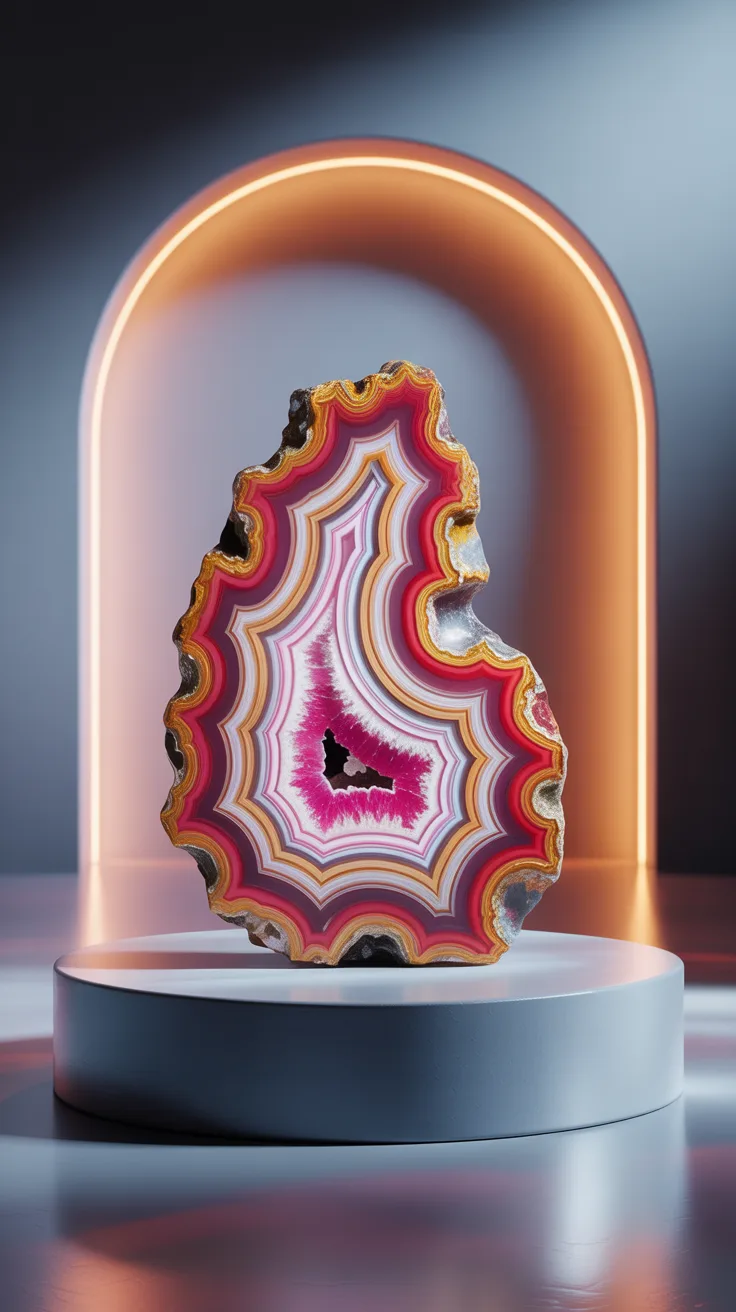
Laguna Agate from Chihuahua, Mexico, is often called the world’s most highly praised banded agate—and after seeing hundreds of specimens, I’d have to agree. The tight, colorful banding in shades of red, pink, gold, and white is simply breathtaking.
I made the mistake early in my collecting journey of thinking all Laguna Agates were created equal. They’re not. The finest specimens feature incredibly tight banding with vivid color saturation. These museum-quality pieces can sell for thousands of dollars, while more common examples remain affordable for beginning collectors.
5. Crazy Lace Agate
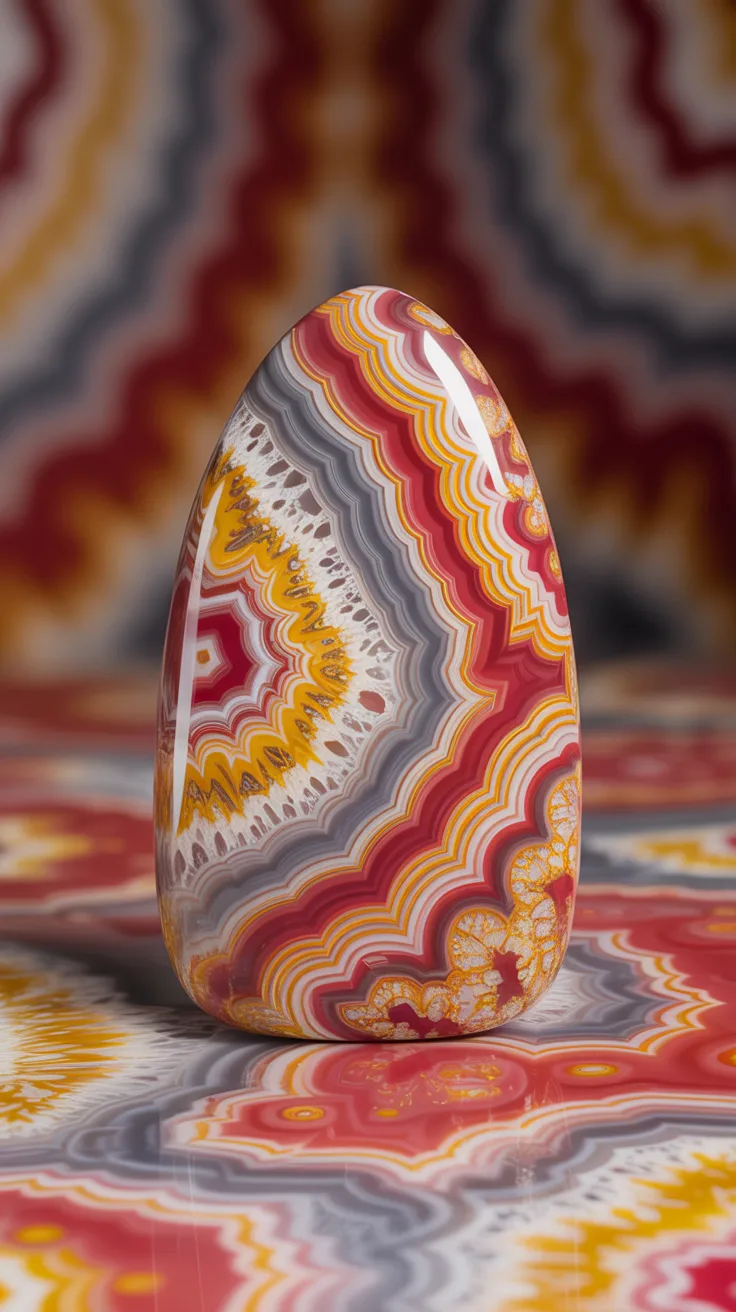
Also hailing from Mexico, Crazy Lace Agate lives up to its name with wild, swirling patterns that look like abstract art. The intricate lacework of reds, yellows, grays, and whites creates patterns so complex that no two stones are remotely alike.
This variety is sometimes called the “Laughter Stone” or “Happy Lace” due to its joyful appearance. It’s become one of my go-to recommendations for new collectors because it’s relatively affordable while still offering stunning visual appeal.
6. Blue Lace Agate
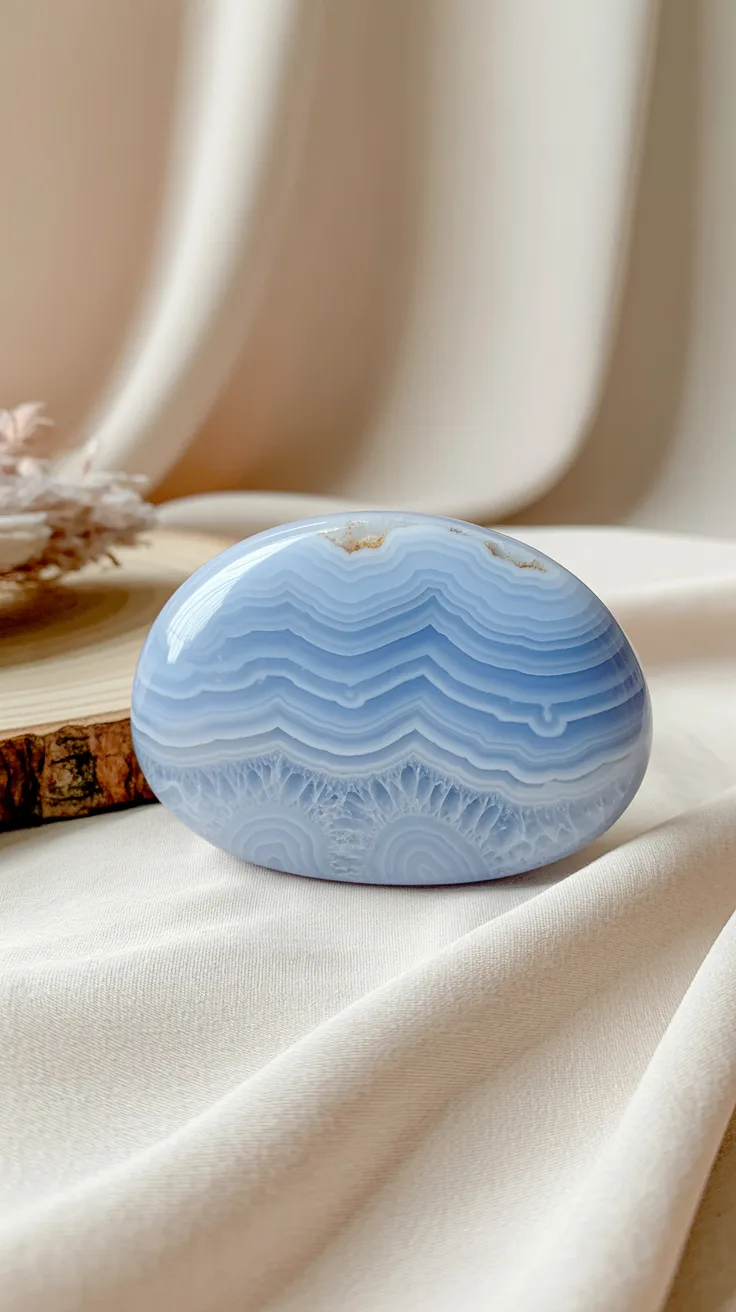
Blue Lace Agate features soft, powder-blue bands interwoven with white that create a soothing, almost ethereal appearance. Originally discovered in Namibia, high-quality specimens have become harder to find as the original mines have been largely depleted.
This scarcity has driven up prices for premium Blue Lace Agate, making it a smart addition to any serious collection. The stone’s gentle coloring also makes it extremely popular in jewelry, which further increases demand.
Pro Tip: Be cautious when purchasing Blue Lace Agate online. Some sellers offer dyed agates passed off as natural specimens. Authentic Blue Lace Agate has subtle color variations, while dyed stones often appear unnaturally uniform.
7. Dendritic Agate
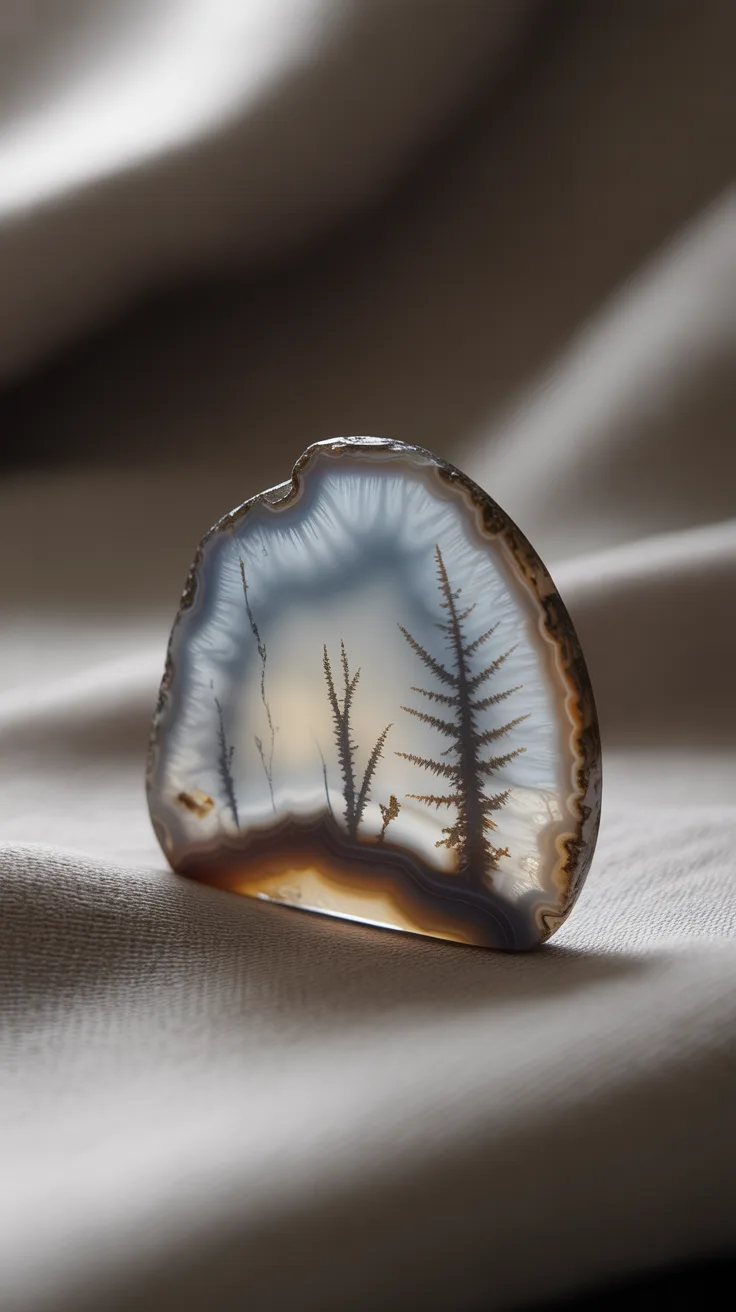
Dendritic Agate is nature’s canvas. These stones contain manganese or iron oxide inclusions that form tree-like or fern-like patterns within translucent to milky white chalcedony. Each piece looks like a tiny landscape painting frozen in stone.
I’ve spent hours examining my Dendritic Agates, finding new details in their branching patterns. Collectors often seek specimens that resemble specific scenes—forests, underwater plants, or even abstract art. The more defined and artistic the dendrites, the higher the value.
8. Fairburn Agate
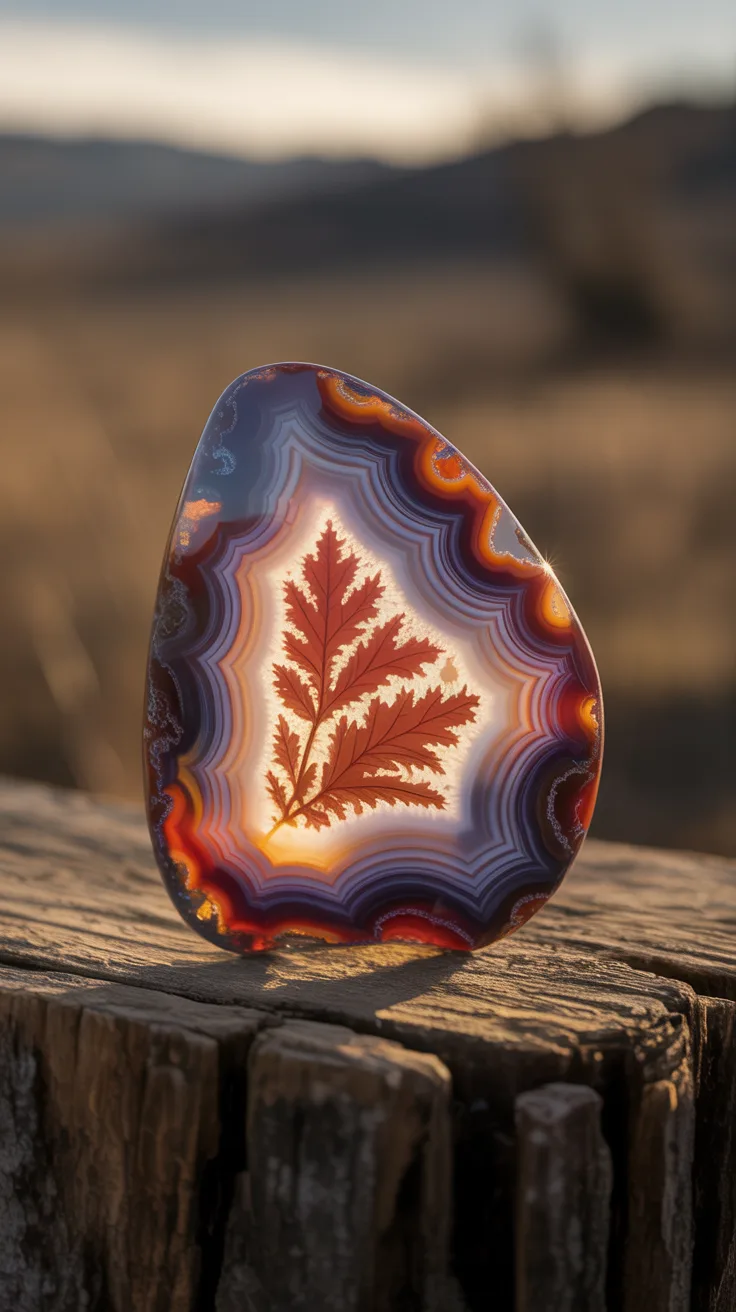
If you want to talk about valuable agates that command serious respect (and serious prices), Fairburn Agate deserves the spotlight. Found only in a limited area of southwestern South Dakota and northwestern Nebraska, these agates are among the rarest in North America.
Fairburn Agates feature fortification patterns with holly-leaf shapes and vibrant colors. Their scarcity—combined with the difficulty of finding them—has created an almost legendary status among collectors. I’ve met people who’ve spent decades hunting for their first quality Fairburn.
9. Condor Agate
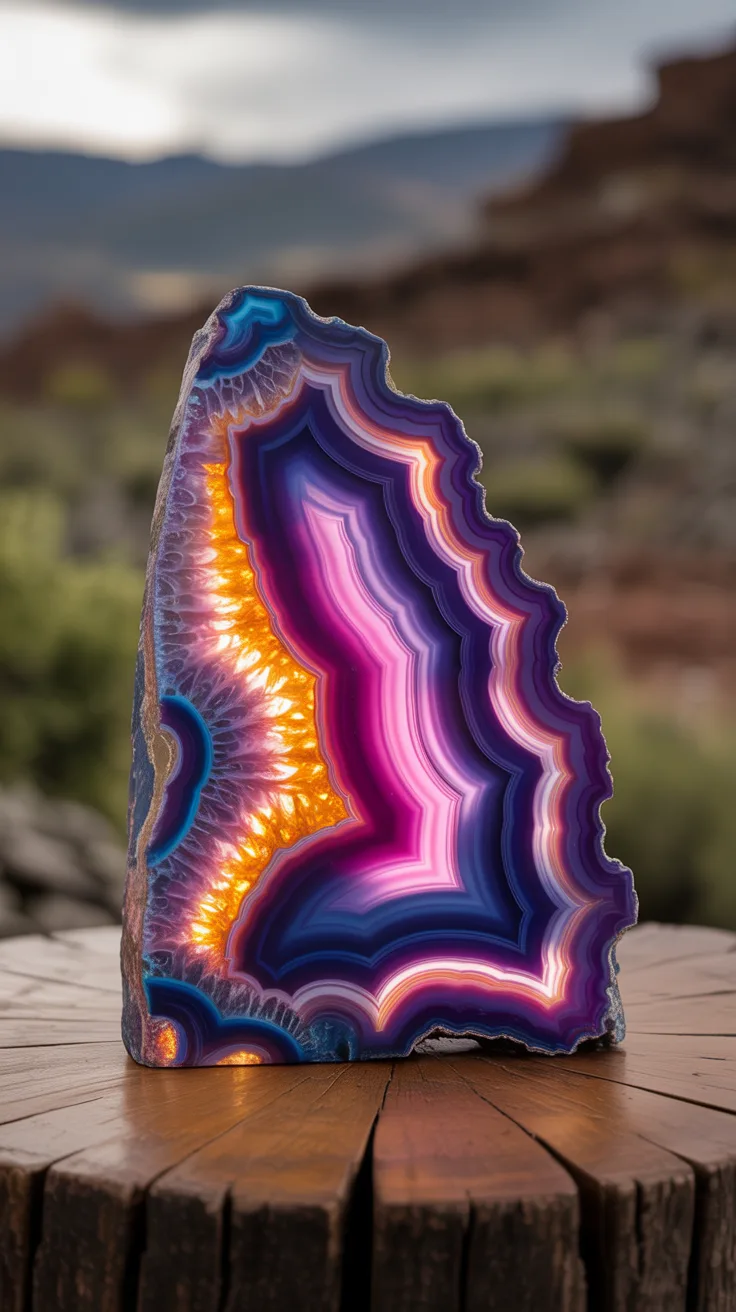
Condor Agate from Argentina burst onto the collecting scene relatively recently, but it’s quickly become a favorite. These stones display stunning combinations of colors—deep purples, bright oranges, vivid pinks, and electric blues—often all in the same specimen.
The Mendoza Province mines that produce Condor Agates have yielded some truly spectacular material. While prices have risen as word has spread, there are still opportunities to acquire beautiful specimens without breaking the bank.
10. Moss Agate
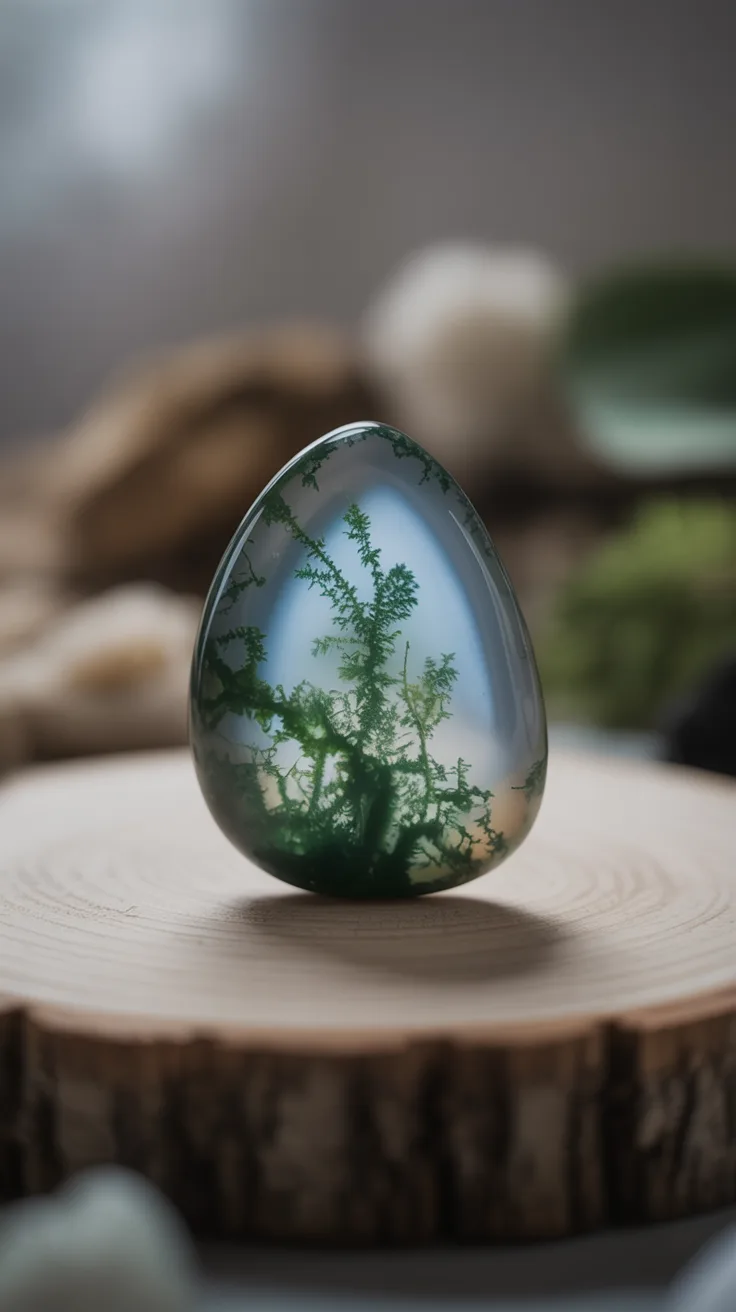
Rounding out our list is Moss Agate, a variety that features green, moss-like inclusions of chlorite or hornblende within translucent chalcedony. Despite its name, these inclusions aren’t actually moss—they’re mineral formations that just happen to look remarkably organic.
Moss Agate has been prized for centuries, with historical uses in jewelry and decorative objects. Today, it remains popular for its natural, earthy aesthetic and relatively accessible price point. It’s an excellent choice for collectors who appreciate nature-inspired beauty.
Caring for Your Agate Collection
Once you’ve invested time and money into building your agate collection, proper care becomes essential. I learned this lesson the hard way when I displayed some of my best specimens in a sunny window—the prolonged UV exposure caused noticeable fading over several months.
Here are the practices I now follow religiously:
- Store agates away from direct sunlight to prevent color fading
- Keep specimens in individual compartments or wrapped in soft cloth to prevent scratching
- Clean gently with lukewarm water and mild soap when needed
- Avoid ultrasonic cleaners, which can damage some agates
- Maintain consistent humidity levels to prevent cracking in sensitive specimens
- Handle valuable pieces with clean hands to avoid oil transfer
Pro Tip: Create a simple catalog of your collection with photos, purchase information, and any provenance details. This documentation becomes invaluable for insurance purposes and adds to the historical value of your specimens.
Frequently Asked Questions
What factors determine the value of an agate?
Several factors influence agate value: color intensity and rarity, pattern definition and uniqueness, size, translucency, origin, and overall condition. Specimens with vivid colors, tight banding, and no damage command the highest prices. Provenance from famous localities also adds significant value.
How can I identify a high-quality agate?
Look for strong color saturation, well-defined patterns, good translucency, and a polished or naturally smooth surface. High-quality agates feel substantial in hand and display their patterns clearly when held to light. Avoid specimens with cracks, chips, or dull, muddy coloring.
Where can I find rare agates for my collection?
Gem and mineral shows offer the best selection and opportunity to examine specimens in person. Reputable online dealers, auction houses, and collector forums are also excellent sources. For the adventurous, field collecting at known agate localities can yield exciting finds.
Are there any synthetic agates on the market?
While truly synthetic agates are rare, dyed and heat-treated agates are common. These treatments enhance colors artificially. Reputable sellers disclose treatments, but always ask questions and buy from trusted sources. Natural, untreated specimens typically command higher prices.
How should I store my agate collection?
Store agates in a climate-controlled environment away from direct sunlight. Use display cases with UV-protective glass for exhibited pieces. For storage, wrap individual specimens in acid-free tissue or soft cloth and place them in padded containers. Avoid stacking heavy specimens on delicate ones.