
Introduction to June Birthstones
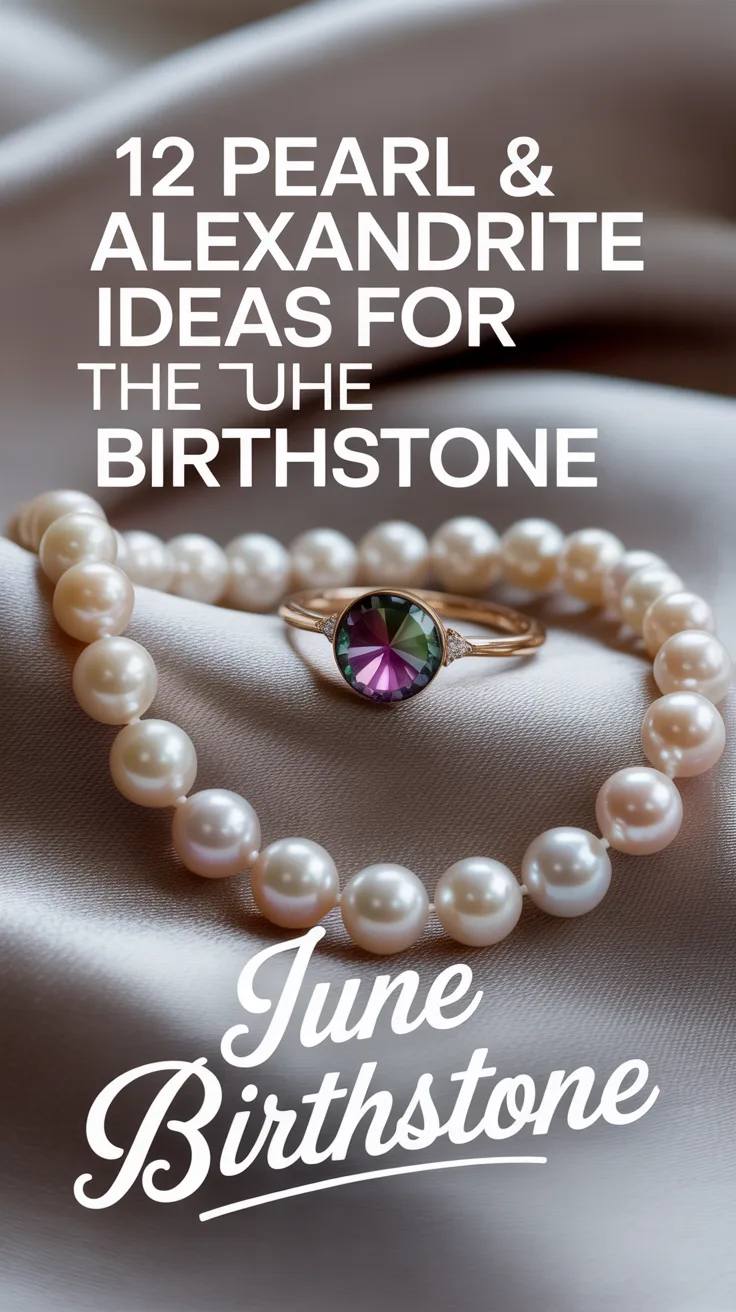
If you’re lucky enough to be born in June, you’ve hit the gemstone jackpot. Unlike most months that get just one birthstone, June offers two absolutely stunning options: the timeless pearl and the mesmerizing alexandrite. I’ve spent years working with both of these gems, and I can tell you firsthand that each brings something truly special to the table.
When I first started exploring birthstone jewelry, I was immediately drawn to June’s offerings. There’s something magical about having two completely different stones to choose from—one born from the sea and one from the earth, each with its own personality and charm. Whether you’re shopping for yourself or looking for the perfect gift for a June baby, understanding these stones will help you make a choice you’ll treasure forever.
Pro Tip: Don’t feel like you have to choose between pearl and alexandrite. Some of my favorite pieces combine both stones for a look that’s uniquely June.
Pearl: A Timeless Classic
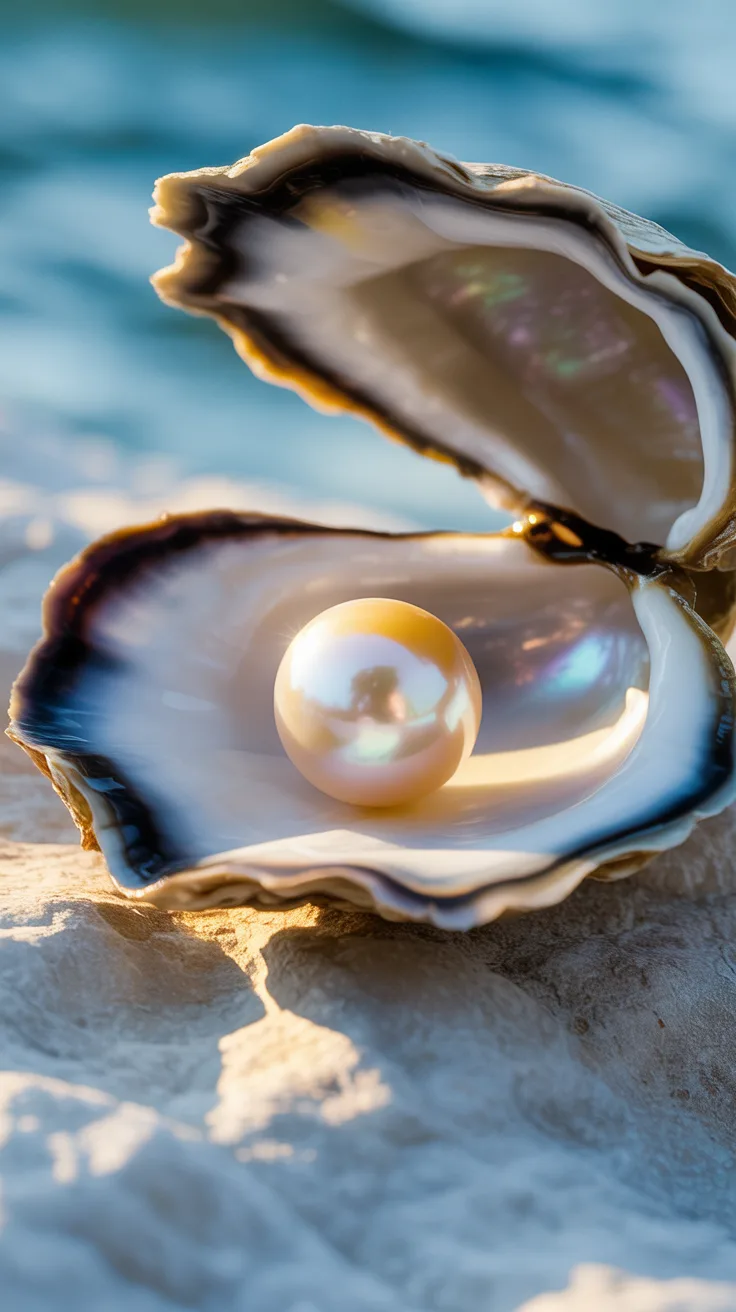
I’ll never forget the first time I held a truly high-quality pearl in my hand. There’s a warmth to them that other gemstones simply don’t possess—probably because they’re the only gems created by living creatures. Pearls have been treasured for thousands of years, and honestly, their appeal hasn’t diminished one bit.
What makes pearls so special is their organic origin. Unlike diamonds or rubies that form deep within the earth, pearls are created when an oyster or mussel coats an irritant with layers of nacre over time. This process gives each pearl its unique luster and character. I’ve learned that no two pearls are exactly alike, which is part of their charm.
Historically, pearls symbolize purity, wisdom, and integrity. Ancient Greeks believed they were the tears of joy from Aphrodite, the goddess of love. In many cultures, pearls were once so valuable that only royalty could wear them. Today, thanks to pearl farming techniques developed in the early 20th century, these beautiful gems are accessible to everyone.
Pro Tip: When shopping for pearls, always examine them under natural light. The best pearls will have a deep, mirror-like luster that seems to glow from within rather than just sitting on the surface.
Pearl Jewelry Ideas
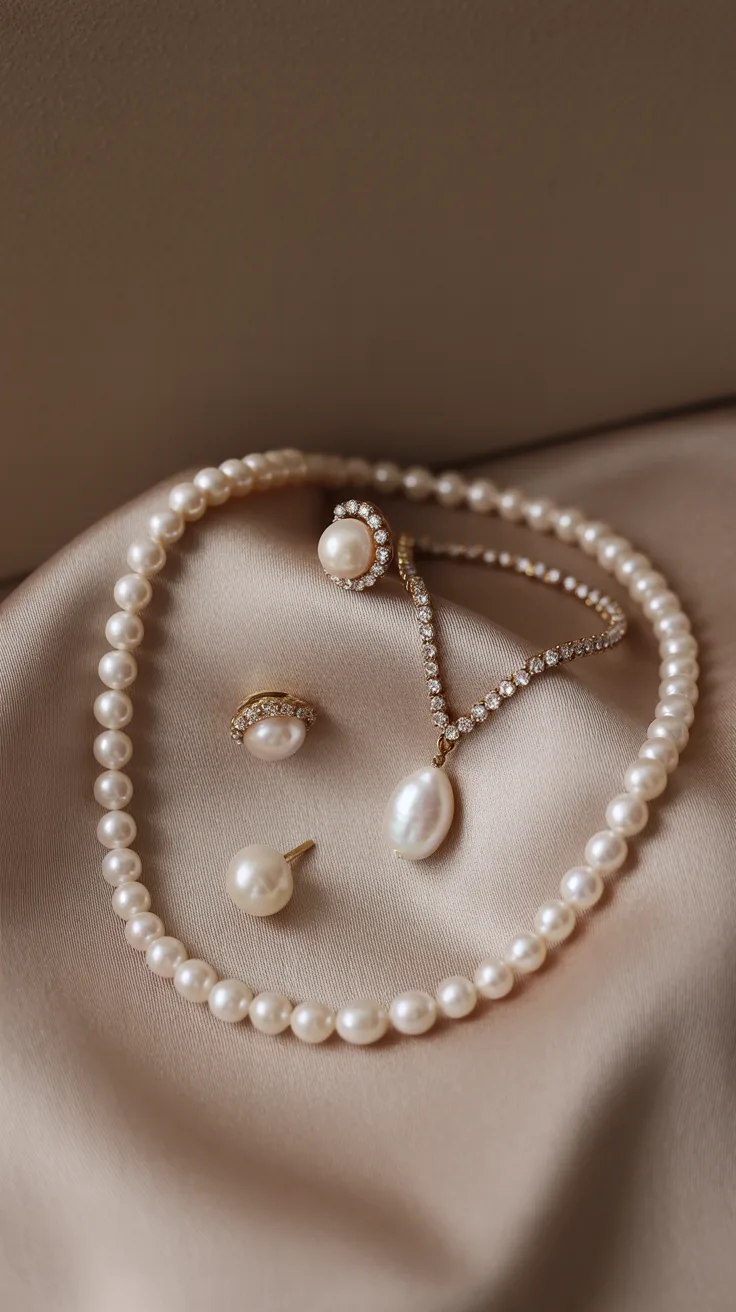
Over the years, I’ve discovered that pearls are incredibly versatile. Here are some of my favorite ways to incorporate them into your jewelry collection:
- Classic Pearl Strand Necklace: This is the piece that started it all for me. A simple strand of matched pearls works with everything from a little black dress to a crisp white blouse.
- Pearl Stud Earrings: These are the everyday heroes of pearl jewelry. I wear mine constantly because they’re elegant without being fussy.
- Baroque Pearl Pendants: If you want something more modern and artistic, baroque (irregularly shaped) pearls make stunning statement pieces.
- Pearl and Diamond Combinations: The contrast between the soft glow of pearls and the sparkle of diamonds creates a look that’s absolutely breathtaking.
- Layered Pearl Bracelets: Mixing different pearl sizes and colors in a layered bracelet design adds visual interest and personality.
- Pearl Drop Earrings: Perfect for special occasions, these add movement and sophistication to any outfit.
I made the mistake early on of thinking pearls were only for formal occasions. Trust me—modern pearl jewelry can be as casual or dressy as you want it to be.
Alexandrite: The Color-Changing Gem
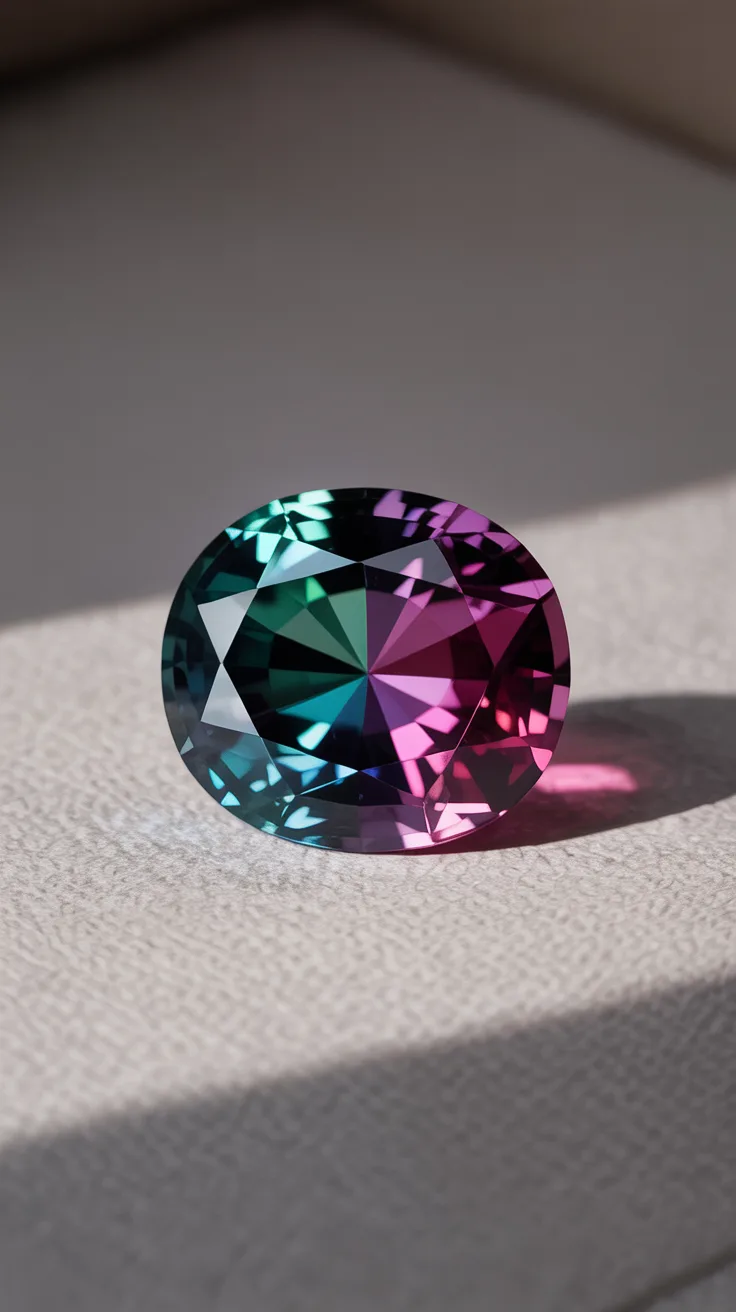
If pearls are the gentle, classic choice, alexandrite is their dramatic, mysterious counterpart. This remarkable stone was first discovered in Russia’s Ural Mountains in the 1830s and was named after Czar Alexander II. What makes alexandrite truly extraordinary is its ability to change color depending on the light source.
The first time I witnessed this color change in person, I was genuinely speechless. In daylight or fluorescent lighting, alexandrite appears green or bluish-green. But move it under incandescent light or candlelight, and it transforms into a raspberry red or purplish-red. Gemologists often describe this phenomenon as “emerald by day, ruby by night.”
This color-changing ability, called pleochroism, occurs because of the way alexandrite’s crystal structure absorbs different wavelengths of light. It’s one of the rarest phenomena in the gemstone world, which is why high-quality alexandrite can actually be more valuable than diamonds of the same size.
Pro Tip: When evaluating alexandrite, the most valuable stones show a dramatic color change with vivid colors in both lighting conditions. Stones that appear muddy or show only a slight shift are less desirable.
Alexandrite Jewelry Inspirations
Because alexandrite is so rare and special, I believe it deserves settings that showcase its unique properties. Here are some stunning ways to wear this June birthstone:
- Alexandrite Solitaire Rings: A single alexandrite stone in a simple setting lets the gem’s color-changing magic take center stage.
- Alexandrite Halo Pendants: Surrounding an alexandrite with small diamonds or white sapphires amplifies its beauty and creates a stunning focal point.
- Three-Stone Alexandrite Rings: Pairing alexandrite with complementary stones like diamonds or emeralds creates a ring with incredible depth.
- Alexandrite Stud Earrings: These offer a subtle way to enjoy the color change throughout your day as lighting conditions shift.
- Vintage-Inspired Alexandrite Pieces: The stone’s Russian heritage makes it perfect for ornate, antique-style settings.
- Alexandrite Tennis Bracelets: For those who want maximum impact, a bracelet featuring multiple alexandrites is absolutely show-stopping.
| Feature | Pearl | Alexandrite |
|---|---|---|
| Origin | Organic (mollusks) | Mineral (chrysoberyl) |
| Hardness (Mohs Scale) | 2.5-4.5 | 8.5 |
| Rarity | Moderate (cultured available) | Very Rare |
| Price Range | $50-$10,000+ | $500-$70,000+ per carat |
| Best For | Everyday elegance | Statement pieces |
Combining Pearls and Alexandrite
Here’s where things get really exciting. Combining pearl and alexandrite in a single piece creates jewelry that’s uniquely June—and uniquely you. I’ve seen some incredible custom pieces that marry the soft, luminous quality of pearls with the dramatic color play of alexandrite.
The contrast between these two stones is what makes the combination work so beautifully. Pearls provide a calm, steady backdrop that allows alexandrite’s color-changing properties to really pop. Think of it like a supporting actor who makes the lead shine even brighter.
Some ideas for combining these stones include pearl strand necklaces with an alexandrite pendant, earrings featuring both gems, or cocktail rings that incorporate pearls as accent stones around a central alexandrite. The key is balance—you want both stones to complement each other rather than compete for attention.
Pro Tip: When designing custom jewelry with both stones, consider the metal carefully. White gold or platinum tends to enhance alexandrite’s color change, while yellow gold brings out the warmth in pearls. Rose gold can work beautifully with both.
I once helped a friend design a pair of earrings for her June wedding that featured small alexandrites surrounded by seed pearls. The result was absolutely magical—traditional enough for a wedding, but with that special color-changing surprise that made them conversation starters all night long.
Frequently Asked Questions
What is the significance of June birthstones?
June birthstones carry deep symbolism. Pearls represent purity, wisdom, and integrity, while alexandrite symbolizes good fortune, creativity, and imagination. Together, they offer June babies a beautiful range of meaningful options.
How do you care for pearl jewelry?
Pearls require gentle care since they’re softer than most gemstones. Clean them with a soft, damp cloth after wearing, store them separately from other jewelry to prevent scratches, and keep them away from perfumes, hairsprays, and harsh chemicals. I always put my pearls on last when getting ready.
What makes alexandrite change color?
Alexandrite’s color change is caused by the way its crystal structure absorbs light. The stone contains chromium, which absorbs yellow light and reflects green and red wavelengths differently depending on the light source. It’s pure science, but it feels like magic.
Are there synthetic versions of these birthstones?
Yes, both cultured pearls and lab-created alexandrite are available. Cultured pearls are grown in controlled conditions and are widely accepted in the jewelry market. Lab-created alexandrite offers the same color-changing properties at a fraction of the cost of natural stones.
How can I verify the authenticity of alexandrite?
Always request certification from a reputable gemological laboratory like GIA or AGL. Be wary of stones priced too low, as genuine alexandrite is quite rare and valuable. A qualified gemologist can also test the stone’s properties to confirm authenticity.