


As an Amazon Associate, we may earn from qualifying purchases. Links in this article may be affiliate links.
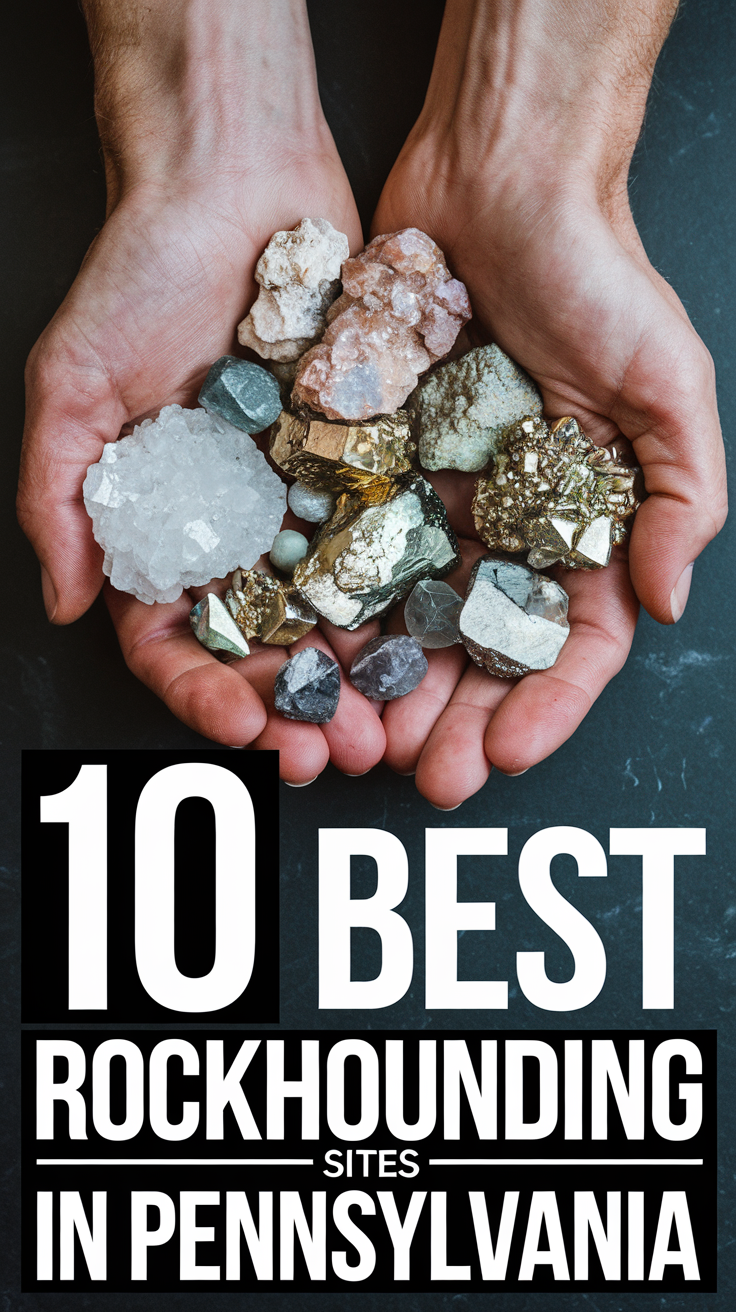
Pennsylvania’s rich geological history makes it a treasure trove for rockhounding enthusiasts. From the ancient Appalachian Mountains to the glacially carved landscapes of the north, the Keystone State offers diverse opportunities for both novice and experienced rock collectors. As someone who’s spent countless weekends exploring these sites, I can tell you that Pennsylvania’s rockhounding locations are not just about finding specimens – they’re about discovering the state’s fascinating geological story.
Whether you’re searching for quartz crystals, fossils, or colorful mineral specimens, these ten locations offer some of the best rockhounding experiences in the state. This guide will walk you through essential tools, safety tips, and where to go – so you can spend less time guessing and more time finding.
Essential Tools and Safety Gear for Pennsylvania Rockhounding
Before you head out, it’s worth putting together a basic rockhounding kit. Having the right tools (and knowing how to use them safely) makes your trips more enjoyable and productive.
| Basic Tools | Safety Equipment | Optional Items |
|---|---|---|
|
|
|
If you’re just getting started, you don’t need expensive gear. A simple beginner rockhounding kit, a pair of impact-rated safety goggles, and a few mesh collection bags are usually enough for your first trips.
Pro tip: Keep a dedicated rockhounding backpack packed with your hammer, gloves, water, snacks, and a small first-aid kit so you’re always ready for a last-minute trip.
10 Prime Rockhounding Locations in Pennsylvania
1. St. Clair Mining Region (Schuylkill County)
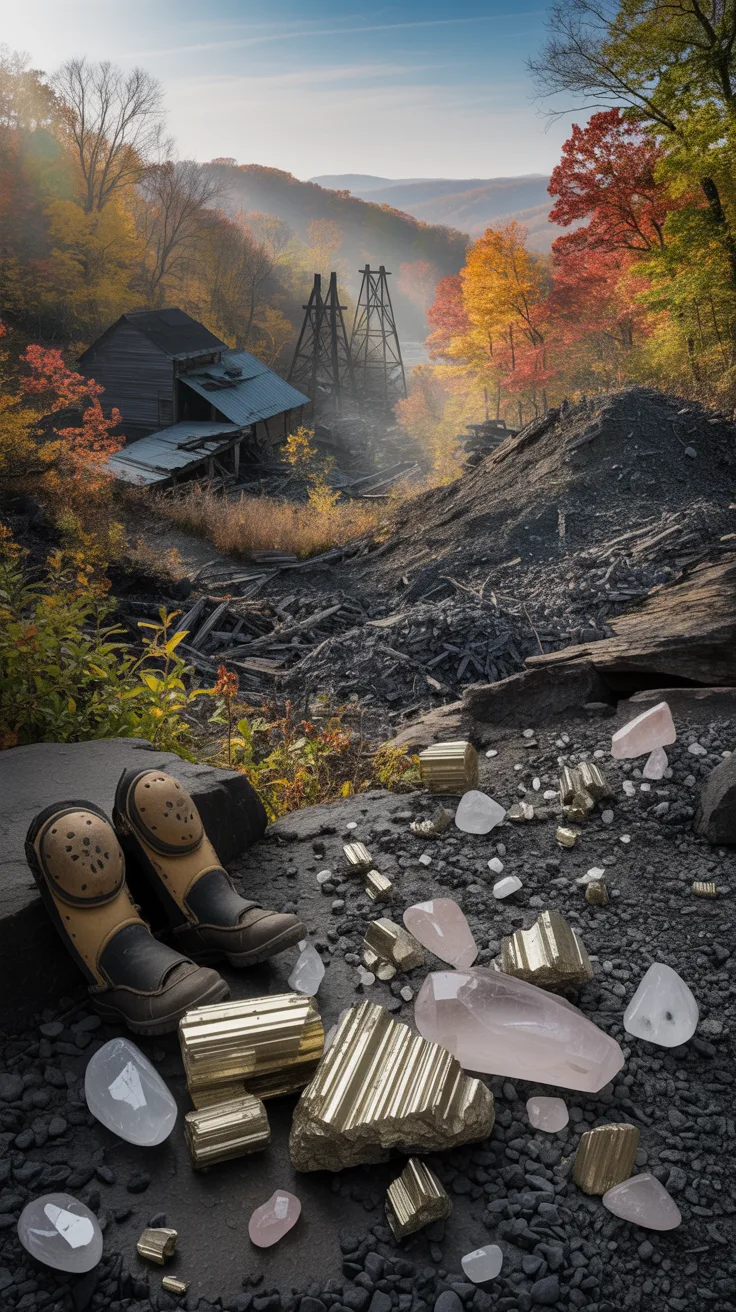
The St. Clair area is famous for its coal mining history and interesting mineral exposures. Many collectors visit this region for both its geology and its industrial past.
- Common finds: pyrite crystals, quartz varieties, anthracite coal, assorted iron minerals
- Best time to visit: spring and fall, when temperatures are mild
- Access notes: parts of this area are on private or posted land – always seek permission first

View on AmazonAs an Amazon Associate, I earn from qualifying purchases.

View on AmazonAs an Amazon Associate, I earn from qualifying purchases.
Tip: A sturdy pair of knee pads can make working around old spoil piles and rocky ground much more comfortable.
2. McAdoo Mineral Collection Site
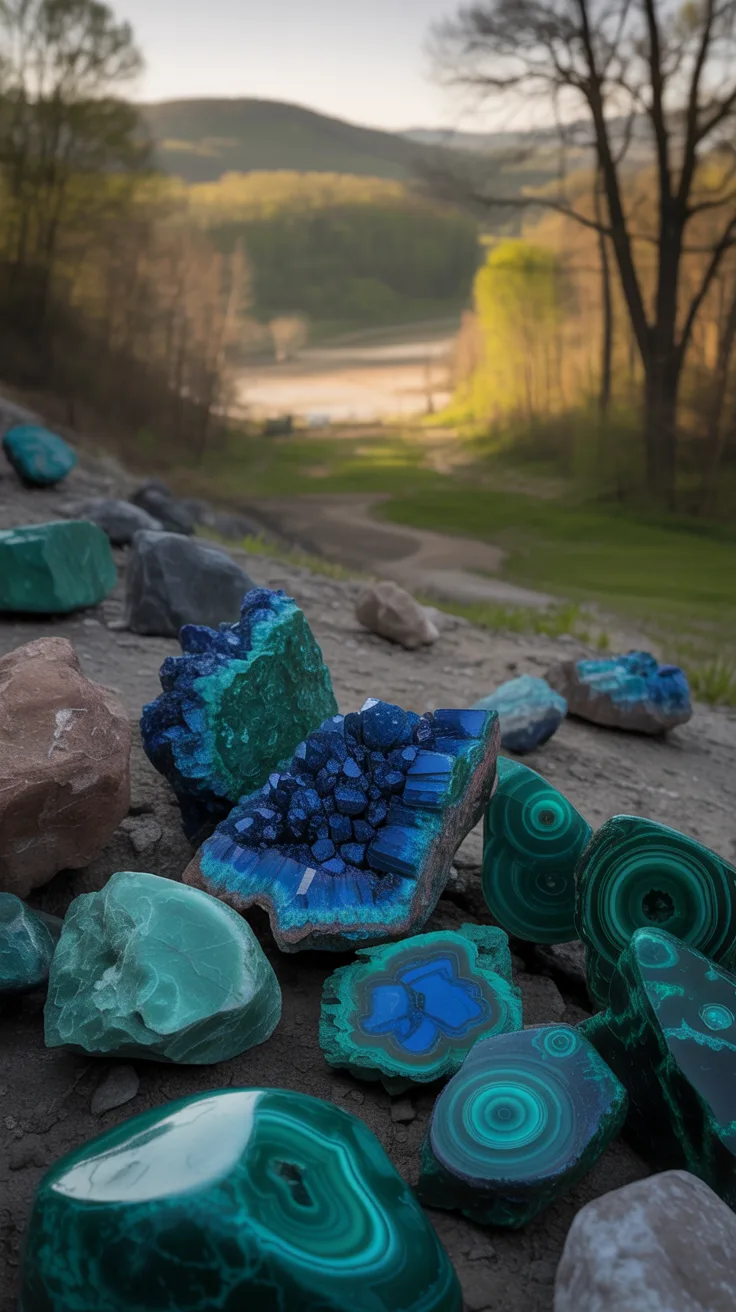
This former mining region is known for colorful secondary copper minerals and attractive specimens for display.
- Common finds: azurite, malachite, chalcopyrite, calcite specimens
- Access: some areas are accessible, but always verify current regulations and land ownership
- Best season: late spring to early fall

View on AmazonAs an Amazon Associate, I earn from qualifying purchases.

View on AmazonAs an Amazon Associate, I earn from qualifying purchases.
Tip: If you plan to bring home delicate pieces, pack a roll of paper towels and a small compartment organizer box to keep specimens from breaking in your bag.
3. Crystal Cave Area
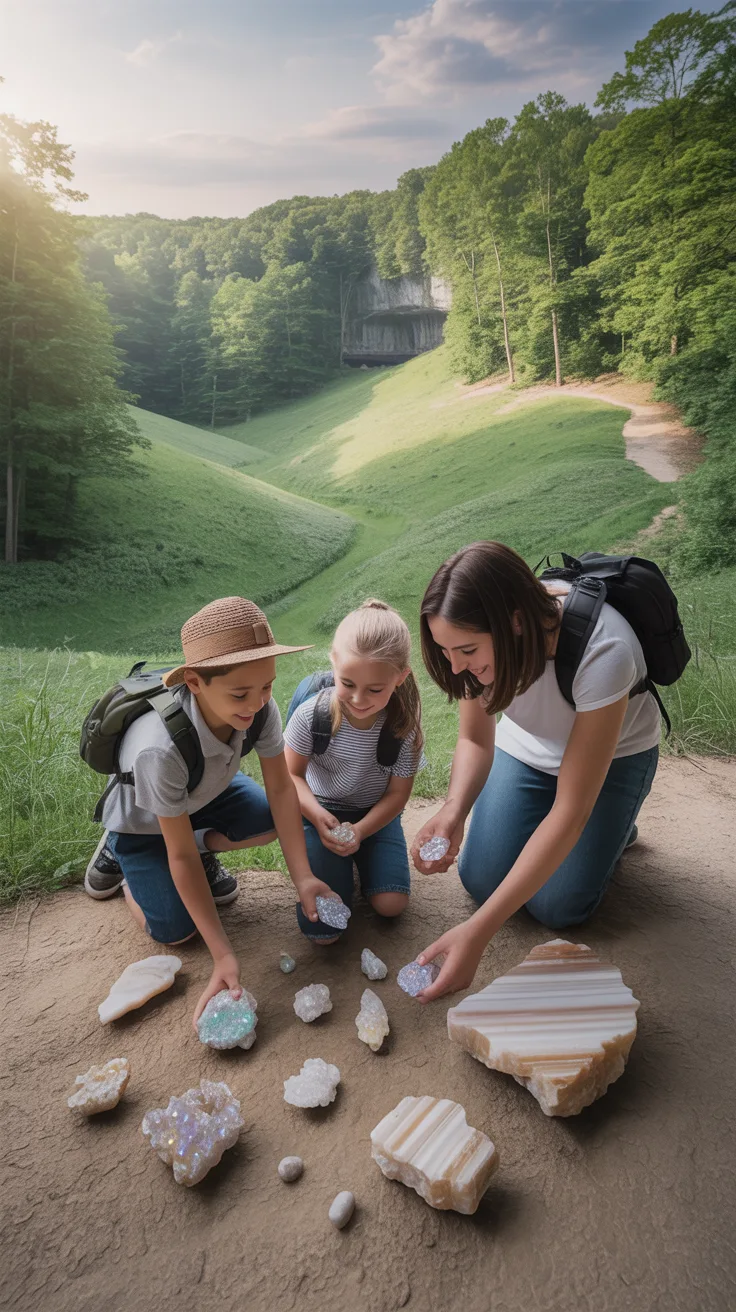
While Crystal Cave itself is a commercial attraction, the surrounding region sits in limestone bedrock and can offer interesting surface finds when you have proper permission.
- Common finds: calcite crystals, limestone samples, mineral-stained rocks
- Access: surrounding land is a mix of private and commercial property – always ask first
- Best for: families and beginners who want to combine a cave tour with light exploring

View on AmazonAs an Amazon Associate, I earn from qualifying purchases.

View on AmazonAs an Amazon Associate, I earn from qualifying purchases.
4. Phoenixville Mining District
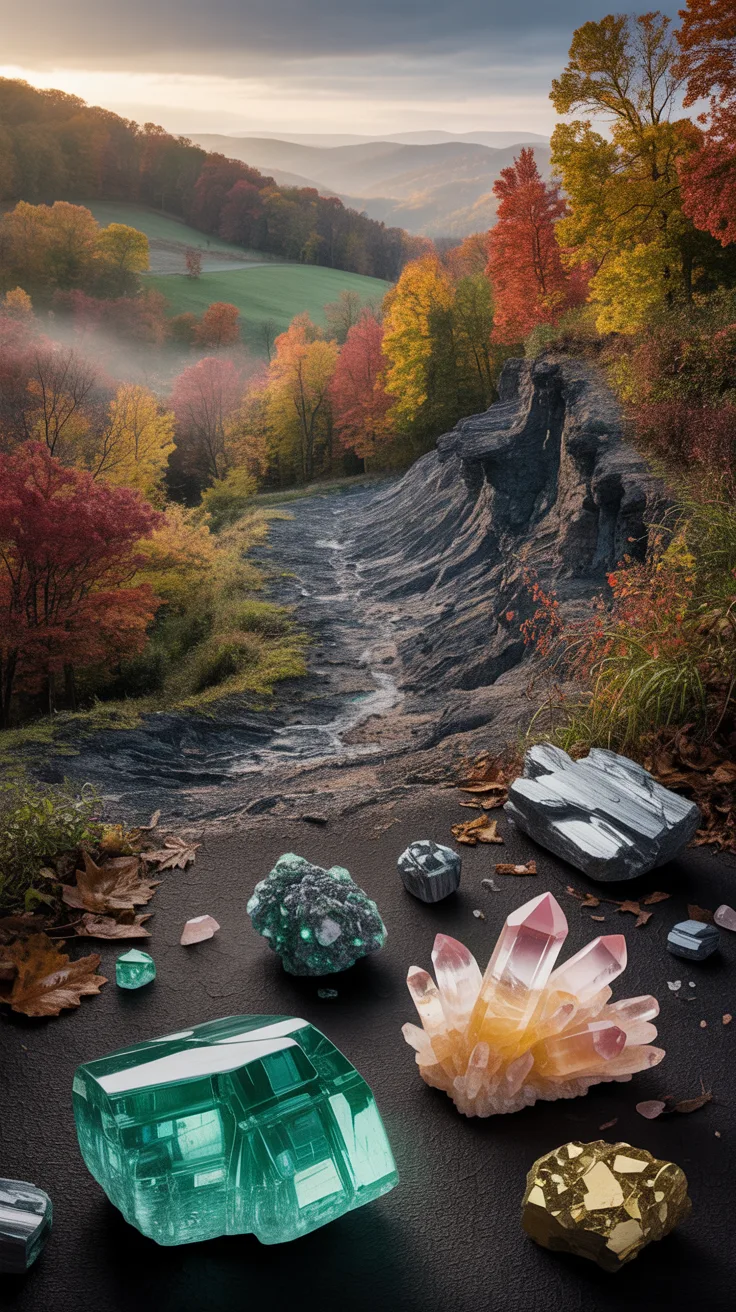
Phoenixville has a long history of lead and zinc mining, and the district is well known among mineral collectors.
| Season | Collecting Conditions | Typical Finds |
|---|---|---|
| Spring | Excellent – fresh exposures after winter | Mixed lead minerals |
| Summer | Good – more vegetation, warmer temps | Surface specimens |
| Fall | Excellent – cooler weather, less foliage | Newly exposed material |
- Common finds: pyromorphite, cerussite, galena, various lead minerals
- Safety note: old mine areas can contain unstable ground and lead dust – wear gloves, avoid breathing dust, and wash hands before eating

View on AmazonAs an Amazon Associate, I earn from qualifying purchases.

View on AmazonAs an Amazon Associate, I earn from qualifying purchases.
5. Cornwall Iron Mines
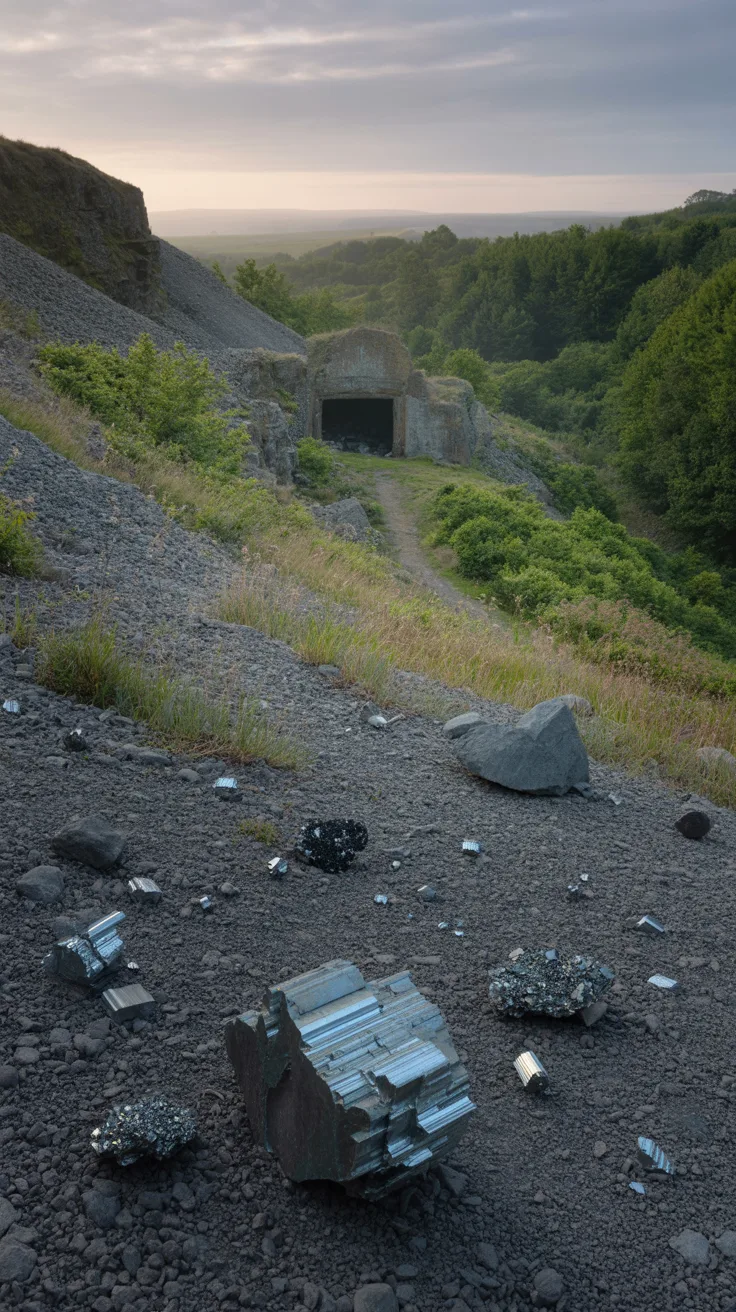
This historic iron-mining region is known for its dense, heavy specimens and classic ore minerals.
- Common finds: magnetite, actinolite, chalcopyrite, various iron minerals
- Best for: collectors interested in ore minerals and dense, metallic samples
- Access: many areas are restricted; always confirm current rules and stay clear of posted or fenced zones
6. Girard Manor Area
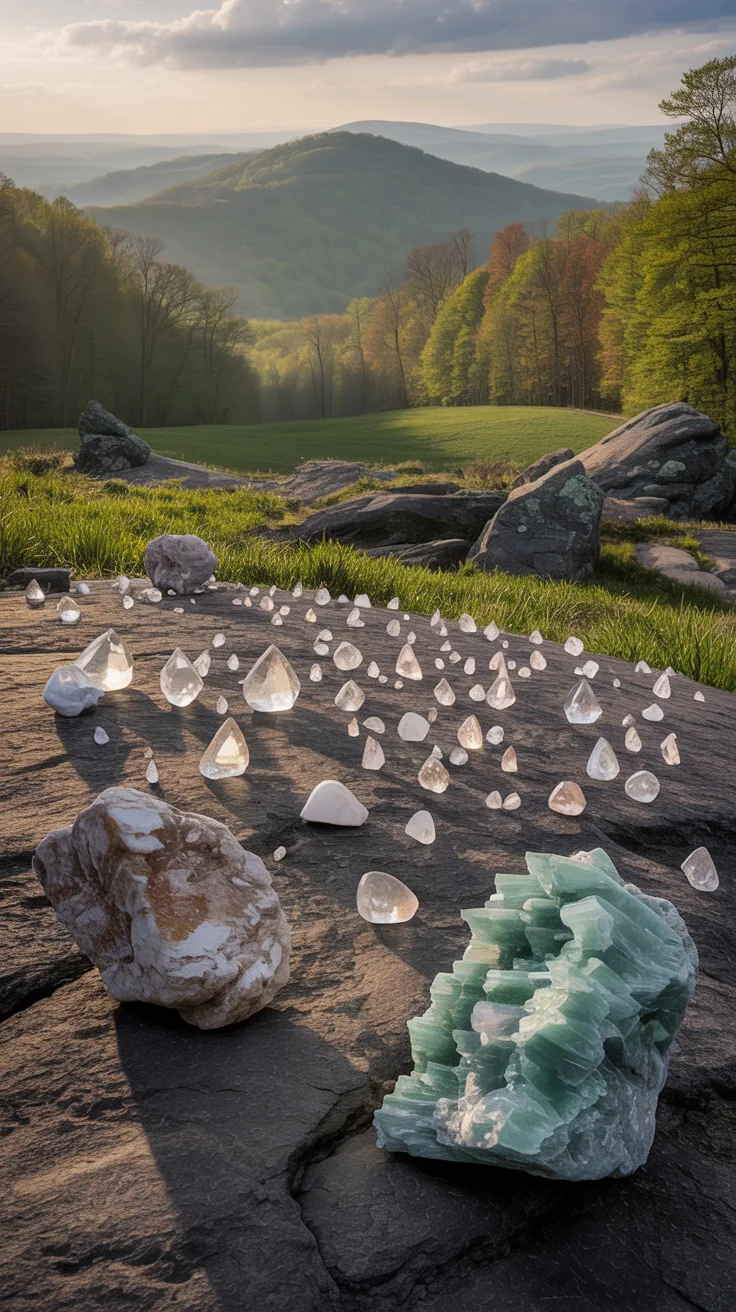
Girard Manor is popular for its variety of metamorphic minerals and attractive quartz pieces.
- Common finds: quartz crystals, chlorite-coated quartz, epidote, metamorphic rock specimens
- Terrain: often hilly and rocky – good boots are essential
- Best time: spring and fall for cooler hiking conditions
7. Safe Harbor Area
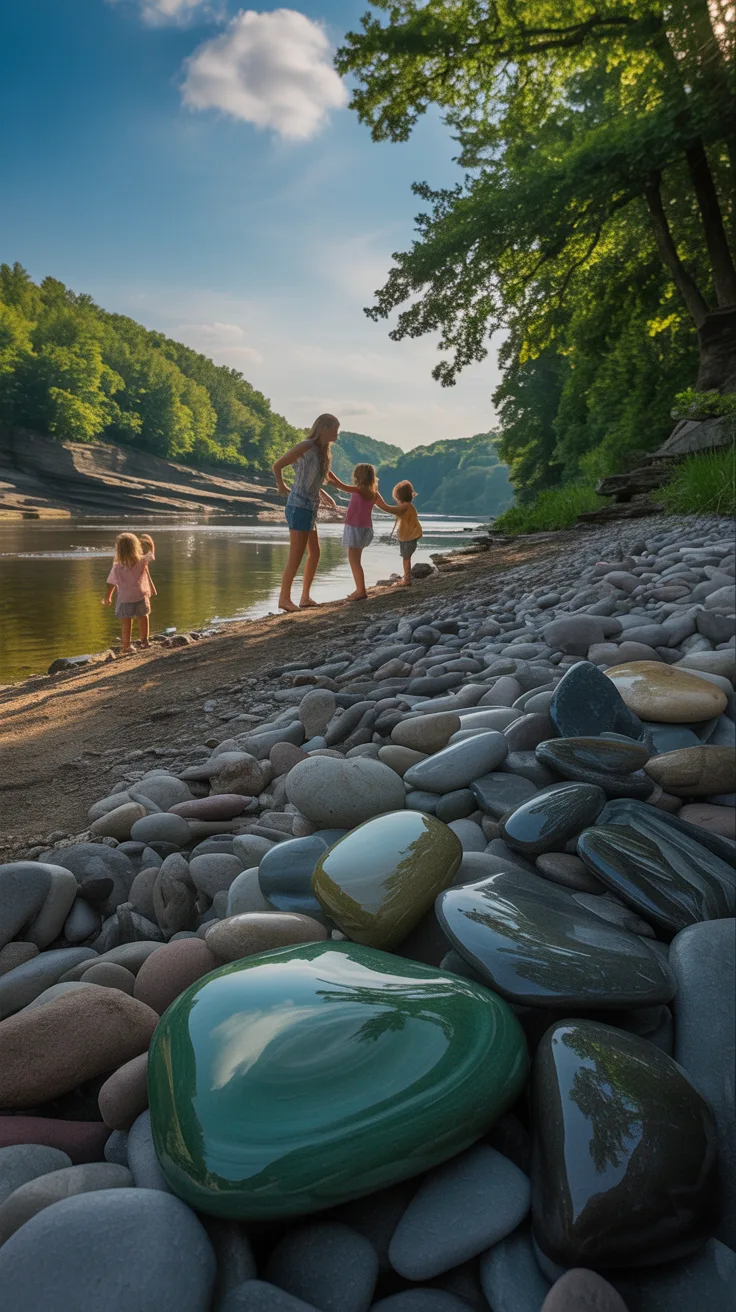
Located along the Susquehanna River, Safe Harbor offers a mix of river-worn stones and interesting ultramafic rock exposures.
- Common finds: serpentine, chromite, williamsite, smoothed river rocks
- Family-friendly: some easy access spots near the river, but always watch water levels and currents
- Best season: summer and early fall
8. Friedensville Zinc Mines
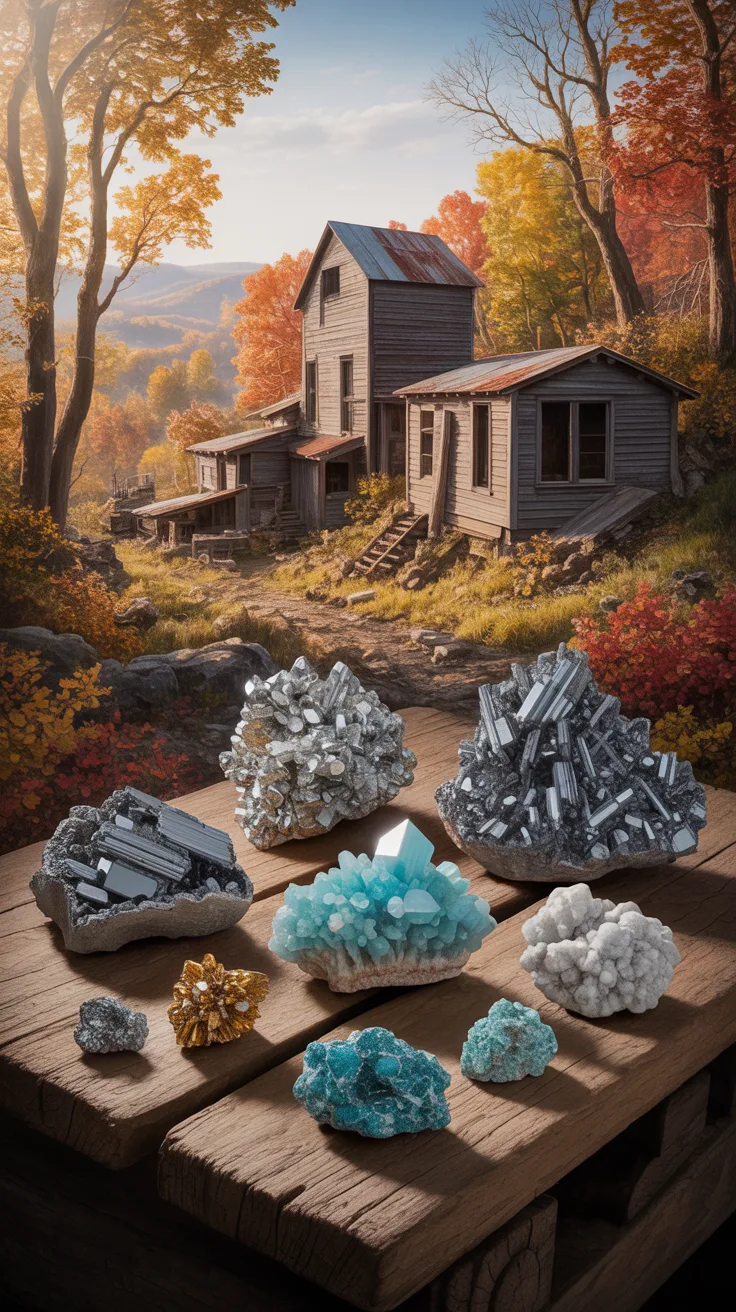
This historic zinc-mining area has produced classic zinc mineral specimens and is well known among serious collectors.
- Common finds: sphalerite, smithsonite, hemimorphite, other zinc minerals
- Access: many areas are now closed or restricted – research current status before planning a trip
- Best for: experienced collectors who enjoy research and historical mining geology
9. French Creek Mines
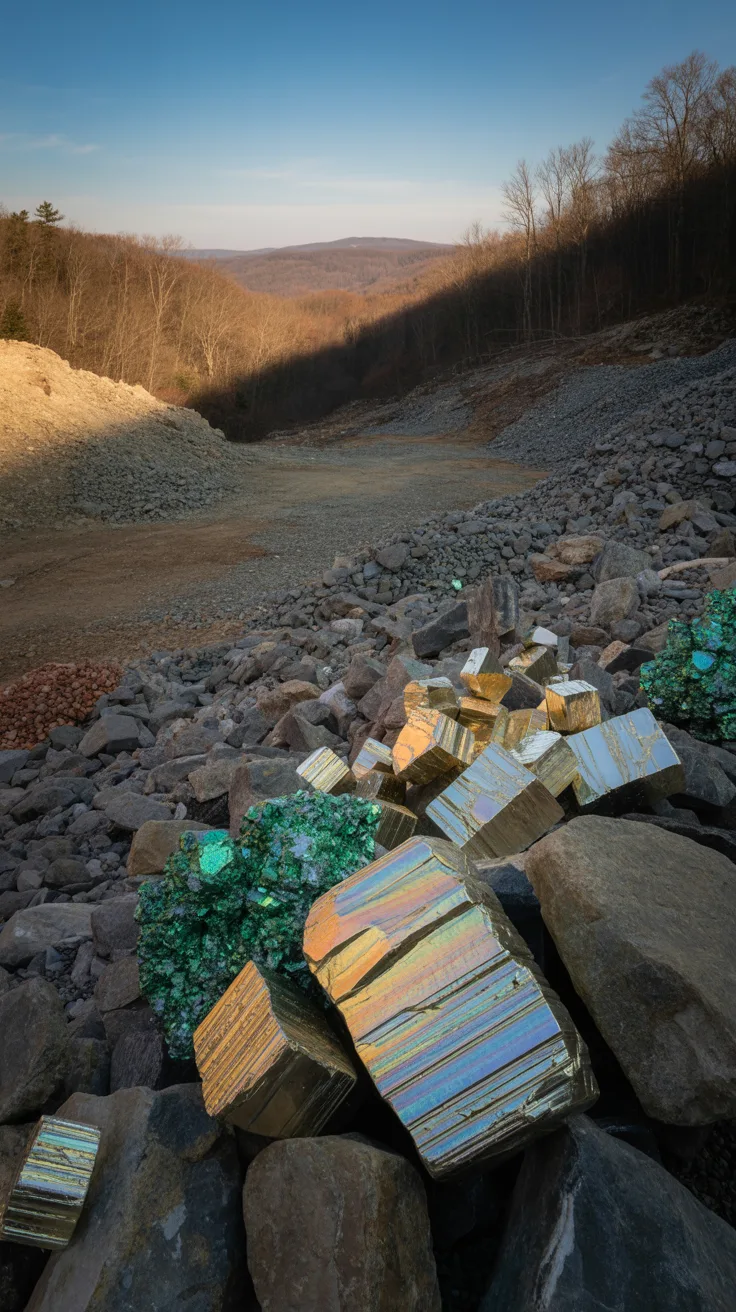
French Creek is famous for its iron and copper minerals and has long been a favorite of collectors in southeastern Pennsylvania.
- Common finds: pyrite cubes, chalcopyrite, bornite, various copper minerals
- Terrain: rocky areas and old dumps – watch your footing
- Photography: great location to practice photographing metallic minerals in natural light
10. Delaware Water Gap
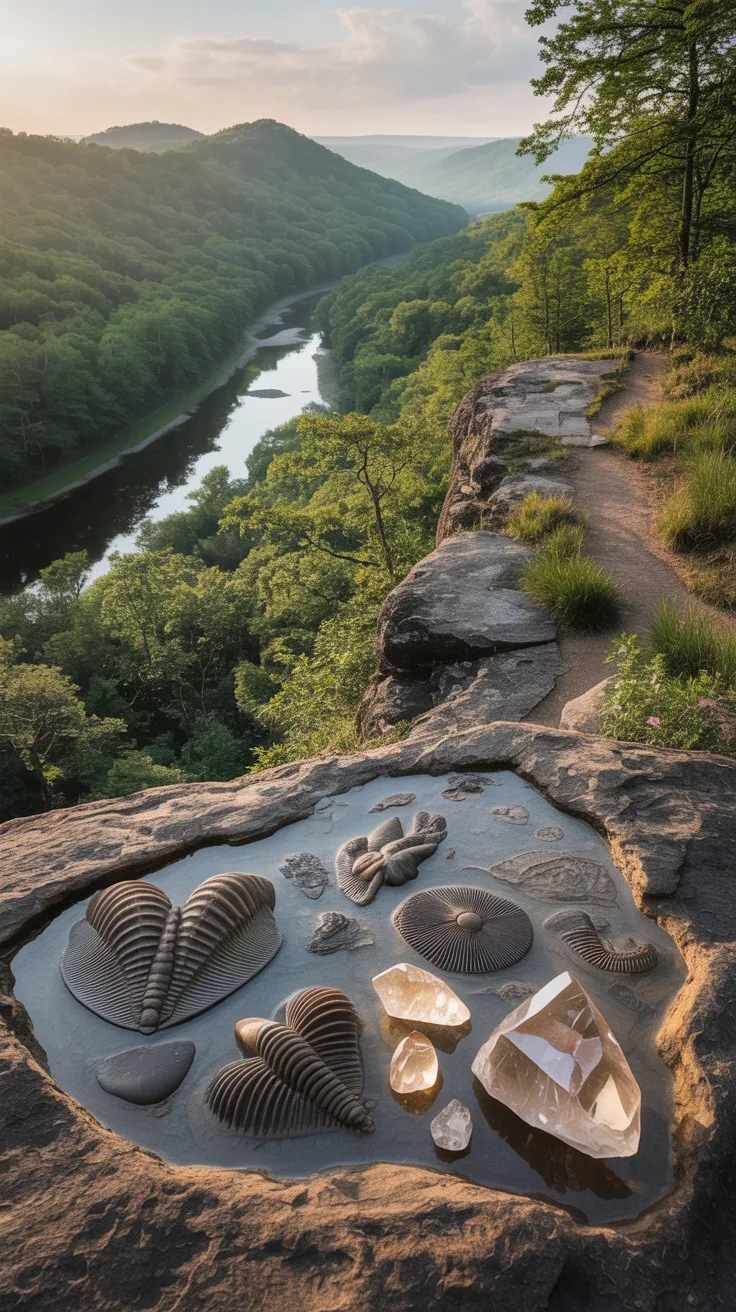
The Delaware Water Gap National Recreation Area offers both scenic views and opportunities to spot interesting rocks and fossils.
- Common finds: trilobite and marine fossils (in the right formations), brachiopods, quartz varieties, sedimentary rock specimens
- Best for: combining hiking, scenery, and casual collecting
- Rules: collection is often restricted or limited in national recreation areas – check current regulations before removing anything
Best Practices and Legal Considerations
Responsible rockhounding keeps sites open and enjoyable for everyone. In Pennsylvania, laws and rules can change from site to site, so it’s important to do a little homework before you go.
- Obtain necessary permits and permissions, especially on private land.
- Respect fences, “No Trespassing” signs, and active industrial sites.
- Follow “Leave No Trace” principles – pack out trash and fill in any deep holes.
- Avoid collecting in state parks, state forests, and protected areas unless clearly allowed.
- Take only what you’ll actually clean, label, and enjoy – leave something for the next rockhound.
- Keep a small notebook or use your phone to record GPS coordinates and notes about each find.
Pro tip: A compact rock and mineral field guide for the Eastern U.S. can make identification much easier when you’re back at home cleaning your finds.
Seasonal Rockhounding Guide for Pennsylvania
| Season | Best Locations | Special Considerations |
|---|---|---|
| Spring | St. Clair, Phoenixville, Girard Manor | Snowmelt and rain can make slopes muddy and slippery; wear waterproof boots. |
| Summer | Delaware Water Gap, Safe Harbor, river locations | Bring extra water, sun protection, and bug spray. |
| Fall | Most locations statewide | Cool temperatures, less vegetation – often the best all-around collecting season. |
| Winter | Limited access | Ice and snow can make sites dangerous; always check weather and road conditions. |
Conclusion
Pennsylvania’s diverse geological landscape offers incredible opportunities for rockhounding enthusiasts. From historic mining regions to scenic river valleys, each site has its own personality and hidden treasures waiting to be discovered.
With the right tools, a bit of preparation, and respect for landowners and regulations, you can build a meaningful collection and learn a lot about the state’s geological past along the way. The thrill of finding that perfect crystal, fossil, or metallic specimen is hard to beat – and the memories of the places you explore become just as valuable as the rocks you bring home.
Key Takeaways
- Always research land ownership, access rules, and permits before visiting any site.
- Pack basic safety gear: goggles, gloves, sturdy boots, and a small first-aid kit.
- Learn which minerals are common at each location to make your time more productive.
- Plan trips around seasons and weather – fall is often the best time in Pennsylvania.
- Label your finds with location and date as soon as you get home.
Frequently Asked Questions
Do I need a permit to go rockhounding in Pennsylvania?
Some areas are open for casual collecting, but many historic mine sites and private lands require permission or permits. Always check with local authorities, landowners, or park offices before collecting.
What’s the best season for rockhounding in Pennsylvania?
Fall is generally considered the best season due to cooler temperatures and reduced vegetation. Spring can also be excellent, especially after frost and rain loosen material on rock piles.
Can I sell the minerals I find?
It depends on where you collected them and under what rules. Some locations and permits only allow personal collecting, not commercial resale. Always read permit conditions and local regulations.
What are the most common minerals found in Pennsylvania?
Quartz varieties, calcite, pyrite, iron minerals, and various copper and lead minerals are among the most common. In certain areas, you can also find fossils like trilobites and brachiopods.
Is it safe to go rockhounding alone?
It’s always safer to go with a partner, especially near old mine sites or steep terrain. If you do go alone, let someone know exactly where you’re going and when you plan to return.
What tools are essential for beginners?
A rock hammer, safety goggles, gloves, and a few sturdy collection bags are enough to get started. Add chisels, a hand lens, and a field guide as you gain experience.
Are there any rockhounding clubs in Pennsylvania?
Yes, there are several mineral and lapidary clubs across the state. Joining a club is a great way to learn, join group trips, and access locations that might be hard to visit on your own.
Can children go rockhounding?
Absolutely, with proper supervision. Choose safer, easier-access sites like riverbanks or roadcuts away from active mines, and make sure kids wear goggles and closed-toe shoes.
What should I do if I find something unusual?
Take clear photos, note the exact location, and bring a small sample home. You can then contact a local rock club, university geology department, or museum for help with identification.
How can I clean and preserve my finds?
Start with gentle cleaning: lukewarm water, a soft brush, and patience. Some minerals are sensitive to acids or harsh cleaners, so always research cleaning methods by mineral type before experimenting.
